Does My Ford F-150 Have a Recall Check It Right Now
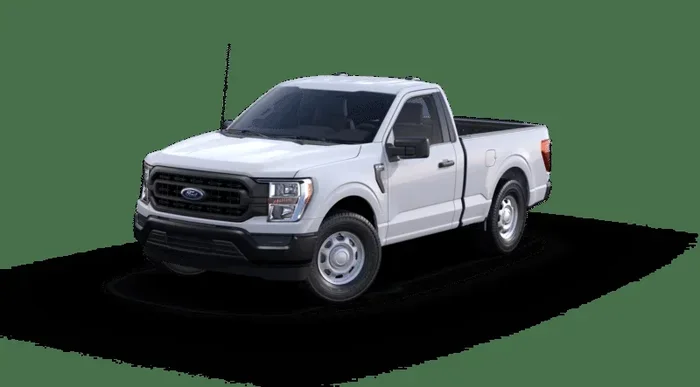
Does your Ford F-150 have a recall? Checking is quick, easy, and could save your life. This guide walks you through every step to find recall information using your VIN, understand what a Ford F-150 recall means, and learn how to get the repair done for free. Whether you own a regular F-150 or the F-150 PowerBoost hybrid, this article covers everything you need to know right now.
You bought your Ford F-150 because it is tough, reliable, and built to last. But even the best trucks can have issues. And sometimes those issues are serious enough to trigger a Ford F-150 recall. If you have been asking yourself, “Does my Ford F-150 have a recall?” the answer might surprise you. Thousands of trucks get recalled every year for everything from brake problems to electrical faults. And the worst part? Most owners never check. This guide shows you exactly how to find out if your truck is affected and what to do next.
A vehicle recall is not something to ignore. It means Ford has identified a safety defect or non-compliance issue that needs fixing. The good news is that recall repairs are always free. You do not pay a dime. So why do so many people skip this step? Sometimes they do not know how to check. Sometimes they think recalls only affect new cars. Neither of those is true. Whether your F-150 is brand new or has 150,000 miles, a recall could apply to it right now.
Key Takeaways
- Check Your VIN: Your vehicle identification number is the fastest way to find any active recall on your F-150.
- Free Repairs: All recall repairs are covered by Ford at no cost to you, period.
- NHTSA Is Your Best Resource: The National Highway Traffic Safety Administration maintains a complete database of all vehicle recalls.
- Hybrid Models Need Extra Attention: F-150 PowerBoost owners should check for both engine and hybrid-specific recalls.
- Don’t Delay: Recall repairs fix safety issues. Waiting increases your risk on the road.
- Register Your Vehicle: Keeping your registration updated ensures Ford can reach you about new recalls.
- Dealers Handle Everything: You do not need to pay or schedule complex logistics for recall service.
📑 Table of Contents
- What Does It Mean When Your Ford F-150 Has a Recall?
- How to Check if Your Ford F-150 Has a Recall
- Common Ford F-150 Recalls You Should Know About
- What to Do If Your F-150 Has an Active Recall
- Can a Recall Affect the Value of Your F-150?
- How Often Are Ford F-150s Recalled?
- Tips to Stay on Top of F-150 Recalls
- What If You Ignore a Recall?
- Hybrid F-150 Owners: Extra Recall Considerations
- Key Takeaways
What Does It Mean When Your Ford F-150 Has a Recall?
A recall is a formal notification from the manufacturer that a part or system in your truck does not meet safety standards. Ford F-150 recalls can cover a wide range of issues. These include problems with the engine, transmission, brakes, steering, airbags, electrical systems, and more. When a recall is issued, Ford is required by law to fix the problem at no cost to the owner.
How Recalls Work
Here is how the process typically works. First, Ford identifies a problem through customer complaints, testing, or monitoring. Then the company reports the issue to the NHTSA, which is the National Highway Traffic Safety Administration. If NHTSA agrees the issue is a safety concern, they open an investigation. If the investigation confirms the defect, Ford issues a recall campaign. You then receive a notice in the mail if Ford has your current address on file.
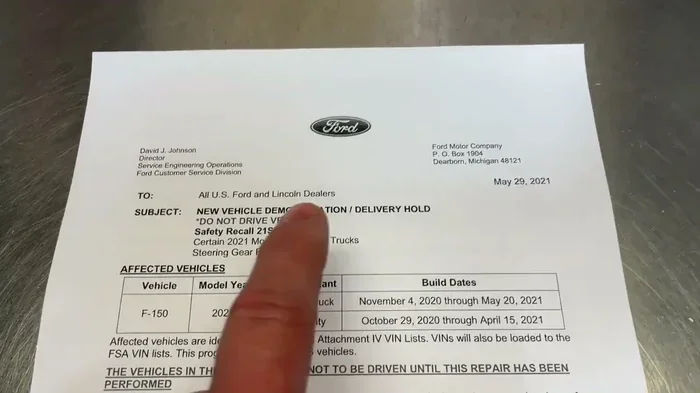
The recall notice includes important details. It tells you which part is affected, what the risk is, and what you need to do next. Usually, the fix involves a simple visit to your local Ford dealer. The technician installs the corrected part or performs the needed software update. The entire process is free for you.
Why Recalls Matter for Your Safety
Some people think recalls are just minor inconveniences. That is not always the case. Some recalls address issues that can lead to serious accidents or injuries. For example, a braking system defect or an airbag problem can be life-threatening. Taking recall notices seriously is one of the most important things you can do to keep your truck safe. This is especially true if you regularly haul heavy loads or tow trailers with your F-150.
How to Check if Your Ford F-150 Has a Recall
Checking for a recall is simpler than most people think. You do not need to be a mechanic or a tech expert. You just need a few pieces of information and about five minutes of your time. Here are the best ways to check.
Method 1: Use the NHTSA Recall Database
The National Highway Traffic Safety Administration maintains the most comprehensive recall database in the country. You can visit their website and enter your F-150 VIN to see if any recalls apply. A VIN is your vehicle identification number. You can find it on your dashboard on the driver side, on your door jamb sticker, or on your registration and title documents.
Simply go to the NHTSA website, type in your 17-character VIN, and hit search. The database will show you any open recalls, completed recalls, and campaigns that might affect your truck. This is the most reliable and up-to-date method. You should check this at least twice a year.
Method 2: Check Ford’s Official Website
Ford also provides a recall lookup tool on their official website. You can enter your VIN there too. Ford’s tool sometimes has additional information about the recall campaign, including what the fix involves and how long the service takes. This can be helpful if you want to understand the issue before visiting the dealer.
Method 3: Contact Your Local Ford Dealer
If you prefer a personal touch, call your local Ford dealer. Give them your VIN and ask if there are any open recalls. They can look it up in their system right away. Many dealers will even schedule the repair for you at no charge. This is a great option if you are already planning a service visit.
Method 4: Check Your Mail and Email
If Ford has your correct contact information, they will send you a recall notice by mail. These notices are hard to miss. They come in official envelopes and clearly state that your vehicle is subject to a recall. Some owners miss these notices because they toss them out thinking they are junk mail. Keep an eye on your mailbox and open anything from Ford or NHTSA.
Also, if you registered your vehicle online with Ford, they may send you email notifications about recalls. Make sure your contact preferences are up to date in your Ford account.
Common Ford F-150 Recalls You Should Know About
While every recall is specific to a model year and build, some issues have appeared across multiple F-150 generations. Knowing these common problems can help you stay alert.
Brake System Recalls
Brake issues are among the most common reasons for a truck recall. In some F-150 models, brake components have been found to wear prematurely or fail under certain conditions. If you notice your brakes feeling spongy, making grinding noises, or pulling to one side, get your truck checked right away. Even if there is no active recall, these symptoms need immediate attention.
Engine and Transmission Recalls
The F-150 has a range of engine options, from the standard V6 to the powerful F-150 PowerBoost hybrid. Engine and transmission recalls can involve software updates, faulty sensors, or mechanical defects. For hybrid models, there may also be hybrid system recalls that cover the electric motor, battery pack, or power control unit. If you own a hybrid F-150, it is especially important to stay current on recall notices.
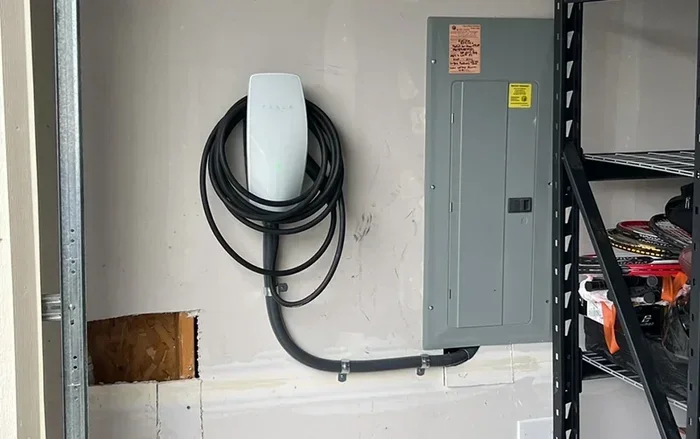
Hybrid vehicle owners should also be aware of charging and electric system considerations. For instance, if you are charging your F-150 PowerBoost at home, make sure your setup is up to standard. You can learn more about charging your hybrid car at home safely to avoid any electrical issues that could compound recall-related concerns.
Electrical and Software Recalls
Modern F-150s are packed with technology. From the touchscreen infotainment system to advanced driver assistance features, software controls many functions. Electrical recalls can involve faulty wiring, malfunctioning sensors, or software bugs that affect safety systems. These recalls often require a simple software update at the dealer, but they should never be ignored.
Airbag Recalls
Airbag recalls are always serious. If an airbag system is defective, it may not deploy during a crash or could deploy unexpectedly. Ford has issued airbag-related recalls for various F-150 model years. Check your VIN to see if your truck is affected by any airbag recall campaigns.
Fuel System Recalls
Fuel system issues can pose fire risks. In some F-150 models, fuel lines or fuel pump components have been identified as potential hazards. These recalls require prompt attention and are typically resolved quickly at the dealership.
What to Do If Your F-150 Has an Active Recall
So you checked and your truck does have an active recall. What now? The process is straightforward, and you have nothing to worry about financially.
Step 1: Read the Recall Notice Carefully
If you received a notice in the mail, read it thoroughly. It will explain the specific issue, the risk involved, and the recommended action. It will also tell you which Ford dealer can perform the repair and what parts will be used.
Step 2: Schedule the Repair
Call your Ford dealer and schedule the recall repair. Because recalls are covered by the manufacturer, the dealer will handle everything. You do not need to pay for parts or labor. The repair typically takes a few hours, depending on the complexity of the issue.
Step 3: Keep Documentation
After the repair is completed, keep all documentation. The dealer should provide you with a repair receipt or confirmation that the recall was addressed. This is important for your records and can be useful if you ever sell the truck or dispute a future issue.
Step 4: Check Again Later
Just because one recall is resolved does not mean your truck is done. New recalls can be issued at any time. Make it a habit to check for recalls every few months, especially if you own an older model year. You can also check the speed and performance of your hybrid system if you own a PowerBoost model. For example, understanding when your hybrid F-150 switches from electric to gas can help you monitor whether the hybrid system is functioning as it should.
Can a Recall Affect the Value of Your F-150?
Many truck owners worry that a recall will hurt the resale value of their F-150. The truth is that recalls have little to no negative impact on value when handled properly. In fact, having recall repairs completed shows potential buyers that the truck has been well maintained. An unrepaired recall, on the other hand, can be a red flag during a vehicle inspection or sale.
If you are planning to sell your F-150, check for any open recalls first. Get them resolved before listing the truck. This gives buyers confidence and protects you from any liability issues. You can also check the odometer reading and overall condition to ensure everything is in order. For more information on maintaining accurate records, you can read about odometer accuracy and what you need to know to keep your documentation clean.
How Often Are Ford F-150s Recalled?
The F-150 is one of the best-selling trucks in America. With millions of units on the road, it is natural to wonder how often recalls happen. The truth is that all vehicles, even the best ones, can have defects. Ford issues recalls when they identify a problem that affects safety or compliance. Some model years have more recalls than others, and this is normal in the automotive industry.
What matters most is how you respond. Being proactive about checking for recalls puts you ahead of most truck owners. It shows you take vehicle safety seriously and you are committed to keeping your F-150 in top shape.
Tips to Stay on Top of F-150 Recalls
Staying informed about recalls does not have to be a chore. Here are some simple tips to make it part of your routine.
- Check your VIN twice a year. Set a reminder on your phone or calendar to look up your VIN on the NHTSA website every six months.
- Keep your contact info updated with Ford. Make sure Ford has your current address, email, and phone number so you never miss a notice.
- Follow Ford on social media. Ford often posts recall announcements on their official social media channels.
- Join F-150 owner forums. Other owners often share recall information and experiences online. It is a great way to stay informed.
- Read your owner manual. Your manual may include information about known issues and recommended maintenance schedules.
- Ask your dealer at every service visit. When you take your F-150 in for an oil change or other routine service, ask the technician to check for open recalls.
What If You Ignore a Recall?
Ignoring a recall is never a good idea. Here is why. First, a recall exists because there is a safety problem. Driving a truck with an unfixed recall means you are taking an unnecessary risk. Second, if you are involved in an accident and the issue was related to an unrepaired recall, your insurance company may question coverage. Third, some states require that recalls be addressed before a vehicle can pass inspection.
Also, if your F-150 is involved in an incident, such as a collision with wildlife, the recall status could matter. For instance, if your brakes were recalled and not repaired, the outcome of an accident could be more severe. To understand more about how vehicle damage can escalate, check out this information on whether hitting a deer can total your car and how vehicle condition affects accident outcomes.
The bottom line is simple. Recalls exist to protect you. Getting them fixed is quick, free, and could save your life. Do not put it off. Check your VIN today.
Hybrid F-150 Owners: Extra Recall Considerations
If you own a Ford F-150 PowerBoost hybrid, you have a unique set of considerations. The hybrid system adds complexity, which means there are more components that could potentially be affected by a recall. Beyond the standard engine and chassis recalls, hybrid-specific recalls may cover the electric motor, battery pack, power inverter, or regenerative braking system.
Hybrid F-150 owners should also understand how their truck operates in different driving conditions. For example, knowing when the hybrid Escape switches to gas can help you understand the general behavior of Ford hybrid systems and what to watch for. Similarly, understanding when a hybrid switches from electric to gas gives you insight into how your PowerBoost operates and whether it is performing as expected.
If you ever notice unusual behavior from your hybrid system, such as unexpected mode changes, reduced power, or warning lights, do not wait. Check for recalls and have your truck inspected. Early detection of issues, whether recall-related or not, always leads to better outcomes.
Key Takeaways
- Check Your VIN Regularly: Your vehicle identification number is the key to finding any active recall on your Ford F-150.
- Recalls Are Always Free: Ford covers the cost of all recall repairs. You never pay out of pocket.
- NHTSA Is the Best Resource: The NHTSA database is the most comprehensive and up-to-date source for recall information.
- Hybrid Models Have Additional Considerations: F-150 PowerBoost owners should monitor both standard and hybrid-specific recalls.
- Do Not Ignore Recalls: Unrepaired recalls are a safety risk and can affect your insurance and vehicle inspection status.
- Stay Proactive: Regular checks every six months help you catch recalls early and keep your truck safe.
Frequently Asked Questions
How do I find my Ford F-150 VIN?
Your VIN is located on the driver side dashboard, visible from outside the vehicle. You can also find it on the driver side door jamb sticker, on your vehicle registration, and on your insurance card. Simply enter this 17-character code into the NHTSA recall lookup tool to check for any active recalls.
Are Ford F-150 recall repairs really free?
Yes, all recall repairs are completely free. By federal law, automakers must cover the cost of parts and labor for any recall-related repair. You do not pay anything, and you do not need to go through insurance. Just bring your truck to an authorized Ford dealer and they handle everything.
How often should I check for F-150 recalls?
You should check for recalls at least twice a year, or every six months. It is also a good idea to check whenever your F-150 is due for routine maintenance. New recalls can be issued at any time, so regular checks are the best way to stay safe and informed.
Can an old F-150 still have an active recall?
Yes, absolutely. Recalls do not expire based on the age of the vehicle. Even if your F-150 is several years old or has high mileage, any open recall still applies. Ford is required to provide the repair free of charge regardless of the vehicle age, as long as the recall campaign is still active.
What happens if I buy a used F-150 with an unrepaired recall?
If you buy a used F-150, you should immediately check for any open recalls using the VIN. If there is an unrepaired recall, you are entitled to have it fixed for free at any authorized Ford dealer. Contact the dealer, provide the VIN, and schedule the repair as soon as possible.
Do I need to make an appointment for a recall repair?
It is a good idea to call ahead and schedule an appointment for your recall repair. This ensures the dealer has the correct parts available and can complete the work efficiently. Walk-ins are usually accepted too, but scheduling ahead saves you time and avoids waiting.
=== CONCLUSION ===
So, does your Ford F-150 have a recall? The only way to know for sure is to check. Use your VIN, visit the NHTSA database, and take five minutes right now to find out. A Ford F-150 recall check is simple, free, and could make all the difference when it comes to your safety on the road. Do not wait for something to go wrong. Be proactive. Check your truck today, and if a recall is found, get it fixed at your local dealer at no cost. Your F-150 is a great truck. Keep it that way by staying on top of recalls and giving it the care it deserves.