Does the Toyota Corolla Hold Its Value in the Long Run
The Toyota Corolla consistently ranks among the best vehicles for holding value. With strong brand reputation, low maintenance costs, and high market demand, this compact sedan retains roughly 50-60% of its value after five years. Whether you buy new or used, the Corolla proves that reliable transportation and smart financial ownership go hand in hand.
Key Takeaways
- Strong Resale Performance: The Corolla holds value better than most competitors in the compact sedan segment.
- Low Depreciation Rate: Average annual depreciation sits around 12-15%, which is below the industry average.
- Reliability Drives Value: Toyota’s reputation for durability keeps used Corolla prices stable and desirable.
- Maintenance Matters: Regular upkeep and proper care significantly slow depreciation and protect resale value.
- Trim Choice Impacts Retention: Popular trims like the SE and XLE tend to hold value better than base models.
- Fuel Economy Adds Appeal: The Corolla’s excellent fuel efficiency makes it attractive to used car buyers.
- Certified Pre-Owned Options: Buying a certified pre-owned Corolla offers strong value and warranty protection.
📑 Table of Contents
- Does the Toyota Corolla Hold Its Value?
- Understanding Toyota Corolla Depreciation
- How the Corolla Compares to Competitors
- Factors That Affect the Corolla’s Resale Value
- The Cost of Ownership: Why Low Costs Mean Higher Value
- Should You Buy a New or Used Corolla for Best Value?
- Common Mistakes That Reduce Your Corolla’s Value
- The Long-Term Outlook for Toyota Corolla Value
- Conclusion
Does the Toyota Corolla Hold Its Value?
If you are in the market for a car that keeps its worth, the Toyota Corolla deserves your attention. This compact sedan has been a household name for decades, and for good reason. People love it for its reliability, fuel economy, and affordable price tag. But the real question is whether it holds its value over time.
The short answer is yes. The Toyota Corolla consistently outperforms many rivals when it comes to resale value. Whether you plan to keep it for years or sell it later, this car proves that smart vehicle ownership does not require spending a fortune. Let us break down exactly why the Corolla holds its value so well and what you can do to protect your investment.
When we talk about car depreciation, we mean how much a vehicle loses value from the moment you drive it off the lot. Most cars lose a big chunk of their worth in the first few years. The Corolla, however, depreciates at a slower rate than the average vehicle. This makes it one of the best resale cars in its class. Vehicle retention is a huge factor for buyers who want long-term value, and the Corolla delivers on that front.
Understanding Toyota Corolla Depreciation
Depreciation is the silent cost of car ownership. Almost every vehicle loses value over time, but the rate varies widely. The Toyota Corolla depreciation rate is notably lower than many competing models. On average, a new Corolla loses about 12 to 15 percent of its value each year. After five years, you can expect it to retain roughly 50 to 60 percent of its original purchase price.
Compare that to luxury brands or even some other mainstream models, and the difference is clear. Many vehicles drop below 40 percent retention after five years. The Corolla stays above that line, which is impressive for a compact sedan.
What Drives Depreciation?
Several factors influence how fast a car loses value. Understanding these can help you make smarter buying decisions.
- Brand Reputation: Toyota has built a strong reputation for building cars that last. This trust translates into higher used car demand.
- Reliability Ratings: The Corolla consistently earns top marks for reliability. Buyers know they are getting a dependable vehicle that won’t break the bank on repairs.
- Fuel Economy: With excellent fuel efficiency, the Corolla appeals to budget-conscious buyers who want to save on gas.
- Market Demand: The Corolla is one of the best-selling cars in the world. High demand for used models keeps prices stable.
- Maintenance Costs: Lower maintenance costs mean less financial burden on the next owner, which boosts resale appeal.
How the Corolla Compares to Competitors
The compact sedan market is crowded. Honda Civic, Hyundai Elantra, Mazda3, and Nissan Sentra all compete for the same buyers. So how does the Toyota Corolla stack up in terms of value retention?
| Vehicle | 5-Year Retention Rate | Avg. Annual Depreciation | Reliability Rating |
|---|---|---|---|
| Toyota Corolla | 50-60% | 12-15% | Excellent |
| Honda Civic | 48-58% | 13-16% | Excellent |
| Hyundai Elantra | 42-52% | 16-20% | Good |
| Mazda3 | 45-55% | 14-18% | Very Good |
| Nissan Sentra | 40-50% | 17-21% | Good |
As you can see, the Corolla sits near the top of the list. It may not always win by a landslide, but it consistently performs well. The Honda Civic is its closest rival, but the Corolla often edges ahead in long-term automotive value retention.
One reason the Corolla performs so well is its Toyota brand reputation. People trust Toyota. They know that buying a used Corolla means getting a car that has been well-built and will continue to run smoothly for years. This trust directly impacts used Toyota Corolla pricing on the secondary market.
Factors That Affect the Corolla’s Resale Value
Not all Corollas hold their value equally. Several factors determine how well your specific vehicle retains its worth over time.
Trim Level and Features
The trim level you choose matters more than you might think. Popular trims like the SE and XLE tend to hold value better than base models. Why? Because buyers looking for a used Corolla often want extra features without paying full price for a new car.
Here are the trims that generally retain the best value:
- SE (Sport Edition): Offers a sporty appearance and upgraded features that appeal to a wide range of buyers.
- XLE (Executive Luxury Edition): Comes with comfort upgrades and premium touches that used car shoppers love.
- XSE: Combines sport styling with luxury features, making it a sweet spot for resale value.
Base models like the L or LE still hold value well, but they do not command the same premium as the higher trims. If you are choosing between trims, consider the Corolla trim levels value before making your decision.
Mileage and Condition
Let us be honest. A car with 150,000 miles on the odometer will not hold its value the same way a car with 60,000 miles will. Mileage is one of the biggest factors in resale price. But condition matters just as much.
A well-maintained Corolla with high mileage can still outperform a neglected one with low mileage. Regular oil changes, tire rotations, and timely repairs all contribute to a healthier vehicle. If you want to protect your investment, stay on top of Corolla maintenance cost and keep detailed service records.
Color and Exterior Condition
Believe it or not, color plays a role in resale value. Neutral colors like white, black, silver, and gray tend to sell faster and hold value better than bold or unusual colors. The exterior condition of the car also matters. Dents, scratches, and paint damage can all reduce the resale price significantly.
Service History and Documentation
When you sell your Corolla, buyers want proof that it has been well cared for. A complete service history gives them confidence. Keep all receipts and records. Document every oil change, tire rotation, and major repair. This paperwork can make a real difference in the final sale price.
Quick Tips to Maximize Your Corolla’s Value
- Keep the interior clean and well-maintained at all times.
- Address minor repairs before they become major issues.
- Store the car in a garage or covered area when possible.
- Avoid modifications that may not appeal to a wide range of buyers.
- Stick to the recommended maintenance schedule from Toyota.
- Check your vehicle depreciation calculator results annually to track value loss.
The Cost of Ownership: Why Low Costs Mean Higher Value
One of the biggest reasons the Corolla holds its value is its low cost of ownership. When a car is cheap to maintain and fuel, more people want to buy it used. This creates a strong resale market.
The Corolla maintenance cost is significantly lower than many competitors. Toyota parts are widely available and affordable. The car’s simple, proven engineering means fewer things go wrong over time. This reliability factor directly impacts automotive value retention.
Fuel economy is another major advantage. The Corolla delivers excellent fuel economy Corolla numbers, especially in the hybrid variant. With gas prices fluctuating, buyers love a car that sips fuel rather than guzzling it. The hybrid version of the Corolla is particularly popular in the used market because of its outstanding fuel efficiency.
Here is a quick look at what keeps the Corolla cost of ownership low:
- Affordable Parts: Toyota parts are competitively priced and easy to find.
- Proven Engineering: Fewer complex systems mean fewer things to break.
- Excellent Fuel Economy: Save money at the pump every single week.
- Low Insurance Costs: The Corolla’s safety ratings help keep insurance premiums reasonable.
- Wide Service Network: Every mechanic and dealership can work on a Corolla.
All of these factors combine to make the Corolla one of the most affordable cars to own over the long haul. And that affordability is exactly what makes it so attractive to used car buyers, which in turn protects its resale value.
Should You Buy a New or Used Corolla for Best Value?
This is a question many car buyers wrestle with. The answer depends on your budget, needs, and goals. Let us explore both options.
Buying New
When you buy a new Toyota Corolla, you get the latest features, the full manufacturer warranty, and the satisfaction of being the first owner. You also take the biggest depreciation hit in the first year. A new car can lose 10 to 20 percent of its value before you even finish paying it off.
However, buying new gives you the most control over the vehicle’s history. You know exactly what has happened to it. You can keep it well-maintained from day one, which pays off when it is time to sell.
Buying Used
Buying a used Corolla is where the real value shines. By purchasing a 2 to 3-year-old model, you let the original owner absorb the steepest depreciation. You then enjoy the car for years with minimal further value loss.
A certified pre-owned Corolla offers the best of both worlds. These vehicles come with Toyota’s certification, a thorough inspection, and an extended warranty. They also tend to have lower Corolla maintenance cost because they are still relatively new.
If you are considering a used model, keep in mind that the used Toyota Corolla price remains strong because of high demand. This means you might pay a bit more upfront, but you are getting a vehicle that will hold its value even better going forward.
Expert Insights
Automotive experts consistently rank the Toyota Corolla as one of the top vehicles for long-term value. According to Kelley Blue Book and Edmunds, the Corolla regularly appears on their lists of cars that hold their value the best. The key takeaway from these experts is simple: buy a Corolla, keep it well-maintained, and you will get a strong return when you sell.
One expert tip is to consider the hybrid variant. The Corolla Hybrid has seen increasing demand in the used market because of rising fuel prices and growing environmental awareness. This extra demand helps the hybrid version retain value even better than the gas-only models.
Another insight from industry professionals is that the Toyota brand reputation continues to grow. As Toyota releases new models and improves existing ones, the trust consumers have in the brand only strengthens. This trust flows directly into better resale numbers for the Corolla.
Common Mistakes That Reduce Your Corolla’s Value
Even the best car can lose value if the owner makes poor choices. Here are common mistakes to avoid:
- Skipping Regular Maintenance: Ignoring oil changes and scheduled services can lead to bigger problems and lower resale value.
- Ignoring Small Repairs: A small dent or broken trim piece might seem minor, but it signals neglect to potential buyers.
- Modifying the Car Heavily: Aftermarket modifications can turn off mainstream buyers and reduce the pool of interested purchasers.
- Neglecting Interior Cleanliness: A dirty or damaged interior is one of the fastest ways to reduce a car’s perceived value.
- Driving Excessively: High annual mileage accelerates depreciation. Keeping mileage reasonable helps protect value.
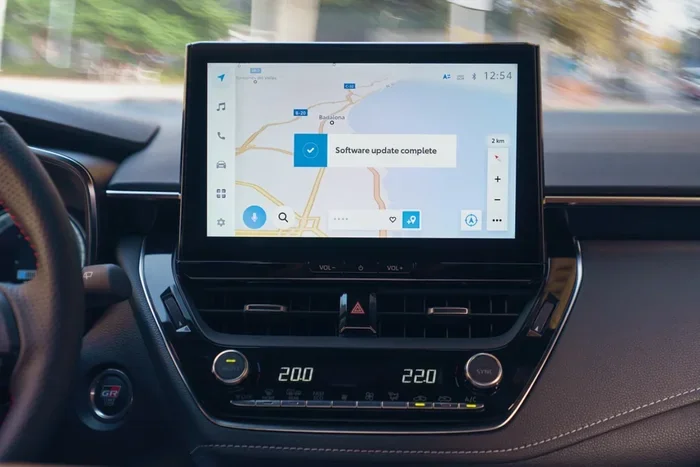
- Skipping the Toyota Connect App Setup: Many modern Corollas come with connectivity features. Not setting these up properly can make the car seem less appealing to tech-savvy buyers.
Avoiding these mistakes is straightforward. Stay proactive with maintenance, keep the car clean, and treat it with care. Your future self will thank you when it is time to sell or trade in.
The Long-Term Outlook for Toyota Corolla Value
Looking ahead, the Toyota Corolla is well-positioned to continue its strong value retention. Toyota continues to invest in the Corolla line, introducing hybrid powertrains and updated technology. These improvements keep the Corolla relevant in a rapidly evolving automotive market.
The growing interest in hybrid vehicles also benefits the Corolla’s resale outlook. As more buyers prioritize fuel efficiency and environmental impact, the Corolla Hybrid becomes even more desirable. This trend supports stronger vehicle retention for years to come.
One thing to keep in mind is the overall car depreciation landscape. Electric vehicles and new technologies are changing how people think about car ownership. However, the Corolla’s proven track record and Toyota’s dominance in the compact sedan segment suggest that it will remain a strong value holder for the foreseeable future.
If you are someone who likes to keep cars for a long time, the Corolla is an excellent choice. Its longevity is well-documented, and many owners report driving their Corollas well past 200,000 miles with proper care. This kind of durability is exactly what builds long-term value.
Also worth noting is that the Corolla’s Toyota reliability rating continues to earn top marks from consumer reports and automotive organizations. These ratings influence buyer confidence, which directly impacts resale prices. A car that is trusted by experts and owners alike will always hold its value better than one that is not.
Finally, consider how car ownership costs fit into the picture. The Corolla’s low costs in fuel, maintenance, and insurance make it one of the most affordable ways to own a reliable car. When the total cost of ownership is low, the effective value of the vehicle increases, even if the sticker price does not change much.
In summary, the Toyota Corolla is not just a practical car. It is a financially smart choice. From the moment you buy it to the day you sell it, the Corolla works hard to protect your investment. Its combination of reliability, low depreciation, and strong market demand makes it one of the best vehicles for anyone who cares about long-term value.
If you are still on the fence, consider this: the Corolla has been the best-selling car in the world for a reason. Millions of people have made the same choice you are considering, and the vast majority have been happy with it. That kind of real-world validation is hard to find in any other vehicle.
Conclusion
So, does the Toyota Corolla hold its value? The evidence is clear and compelling. Yes, it does. The Corolla offers some of the best resale value in the compact sedan segment, thanks to its reliability, low ownership costs, and strong brand reputation. Whether you buy new or used, you are making a smart financial decision.
By following the tips in this guide, you can maximize your Corolla’s value and get the most out of your investment. Keep up with maintenance, choose the right trim, and take care of the car. When it comes time to sell, you will be rewarded with a strong return.
The Toyota Corolla is more than just a car. It is a proven asset that holds its worth in the long run. If you want a vehicle that delivers value every mile of the way, the Corolla should be at the top of your list.
Frequently Asked Questions
How much does a Toyota Corolla depreciate per year?
On average, a Toyota Corolla depreciates about 12 to 15 percent per year. After five years, it retains roughly 50 to 60 percent of its original value. This rate is below the industry average, making the Corolla one of the better vehicles for value retention.
Is the Toyota Corolla a good car to buy used?
Absolutely. The used Toyota Corolla price remains strong because of high market demand and the car’s reputation for reliability. Buying a 2 to 3-year-old model lets you avoid the steepest depreciation while still getting a vehicle with plenty of life left. A certified pre-owned Corolla is an especially smart choice.
Which Corolla trim holds its value the best?
The SE, XLE, and XSE trims tend to hold value better than base models like the L or LE. These trims offer features that appeal to a wider range of used car buyers. When evaluating Corolla trim levels value, the higher trims generally provide better resale returns.
Does the Corolla Hybrid hold value better than the gas-only model?
Yes, the Corolla Hybrid has been gaining strong resale traction due to rising fuel prices and growing interest in hybrid vehicles. Its excellent fuel economy makes it especially attractive to used car buyers, which helps protect its value over time.
What is the average Toyota Corolla resale value after 5 years?
After five years, a Toyota Corolla typically retains about 50 to 60 percent of its original purchase price. This number can vary based on trim level, mileage, condition, and maintenance history. Keeping detailed service records and maintaining the vehicle properly will help maximize your resale return.
How can I make my Corolla last longer and hold more value?
Regular maintenance is the key. Follow Toyota’s recommended service schedule, change the oil on time, and address small issues before they become big problems. Keep the car clean inside and out, store it in a covered area when possible, and avoid heavy modifications. These simple steps go a long way in protecting your vehicle retention and ensuring your Corolla remains a valuable asset for years to come.