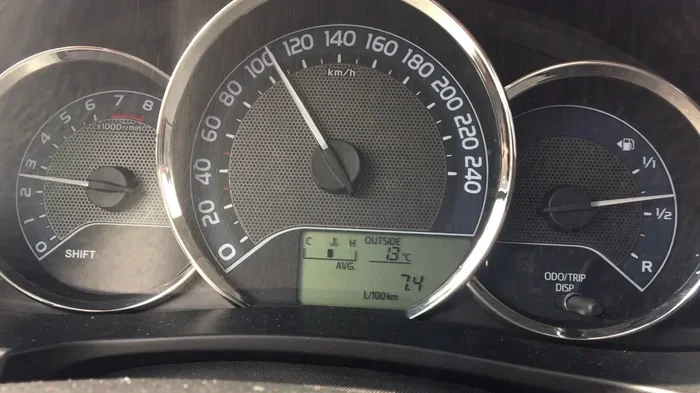
Does the Toyota Corolla Use a Lot of Fuel Every Day
The Toyota Corolla is a compact car known for excellent fuel economy. Does the Toyota Corolla Use a Lot of Fuel? The answer is no—most trims deliver 30–40 MPG, and the hybrid model exceeds 50 MPG. Daily driving costs are low, making it a top choice for budget-conscious commuters.
If you are wondering Does the Toyota Corolla Use a Lot of Fuel every day, the short answer is no. The Toyota Corolla is one of the most fuel-efficient compact sedans on the road. With EPA ratings between 31 and 40 MPG for the gas model and over 50 MPG for the hybrid, daily fuel costs stay very low. Whether you commute to work or run errands around town, the Corolla sips gas instead of guzzling it. In this article, we break down real-world fuel economy, compare gas and hybrid versions, and share simple tips to keep your fuel bills low.
The Toyota Corolla has been a best-selling car for decades. Its reputation for reliability and low running costs makes it a popular choice. Many buyers ask about fuel consumption because they want to save money at the pump. The Corolla delivers on that promise with impressive MPG figures across all trims. You can drive hundreds of miles before needing a fill-up. This makes it a smart pick for daily commuters and families alike.
Fuel economy is more than just a number on the window sticker. It affects your monthly budget, your trips to the gas station, and even your environmental footprint. The Corolla is designed to maximize every drop of fuel. Its aerodynamic shape, lightweight construction, and efficient engines all work together. In the following sections, we explore exactly how much fuel the Corolla uses, what factors change that number, and how you can get the best MPG possible. We also compare the gas and hybrid models so you can make an informed decision.
Key Takeaways
- Low Daily Fuel Use: The Toyota Corolla averages 30–40 MPG, so it does not use a lot of fuel every day.
- Hybrid Option Saves More: The Corolla Hybrid delivers over 50 MPG, cutting fuel costs in half for many drivers.
- City and Highway MPG Differ: City driving is around 30 MPG, while highway cruising can reach 40+ MPG.
- Small Fuel Tank, Long Range: A 13.2-gallon tank gives up to 500 miles of range on a single fill-up.
- Maintenance Matters: Proper tire pressure, clean air filters, and smooth driving habits boost fuel economy.
- Affordable Daily Driver: Low fuel costs make the Corolla one of the cheapest cars to own over time.
📑 Table of Contents
Does the Toyota Corolla Use a Lot of Fuel? Here Are the Real Numbers
The Toyota Corolla is built for efficiency. The base 2.0-liter four-cylinder engine pairs with a CVT transmission to deliver a combined EPA rating of 32 MPG. The LE and SE trims see the same numbers. For city driving, you can expect around 31 MPG. On the highway, the number climbs to 40 MPG. These figures place the Corolla among the best in its class for gas mileage.
Real-world results can vary. Your driving style, traffic conditions, and terrain all play a role. A driver who accelerates gently and maintains steady speeds will see the best results. Stop-and-go city traffic will lower the average. Still, even in tough conditions, the Corolla rarely drops below 28 MPG. That is excellent for a compact sedan.
City vs Highway MPG
City fuel economy depends heavily on speed and stopping. The Corolla’s lightweight design helps it coast easily. The hybrid model uses regenerative braking to recapture energy. This gives the hybrid a city advantage. On the highway, the Corolla benefits from its aerodynamic profile. At steady speeds of 60 to 70 mph, the engine operates in its most efficient range. The result is a smooth, relaxed drive that uses very little fuel.
Fuel Tank Size and Range
The Corolla holds 13.2 gallons of gasoline. With a combined MPG of 32, that gives you a range of about 422 miles. In the real world, you can push this closer to 500 miles if you drive mostly on the highway. This means fewer trips to the fuel station. For many drivers, a fill-up lasts a full week or more.
Quick Tip: Use the trip meter to track your fuel usage. Reset it every time you fill up. This gives you a personal MPG reading that is often more accurate than the onboard computer.
Toyota Corolla Hybrid vs Gas: Which Uses Less Fuel?
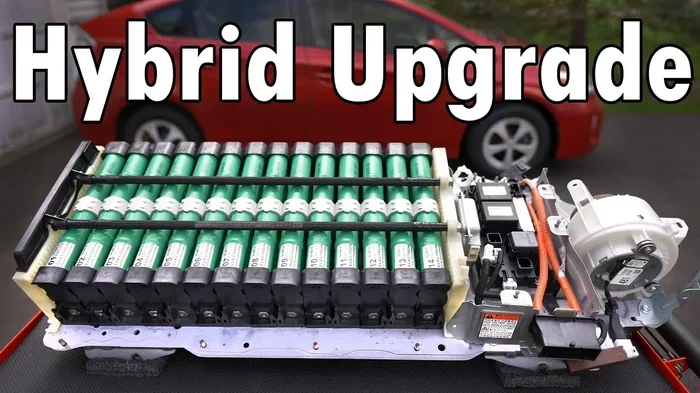
If you want to know if you really save on gas with a hybrid, check out Do You Really Save On Gas With A Hybrid. The answer is yes, and the Corolla Hybrid proves it. The hybrid system pairs a 1.8-liter four-cylinder engine with an electric motor. Together, they produce 139 horsepower. The real magic happens in fuel savings. The Corolla Hybrid earns an EPA combined rating of 52 MPG. That is a massive jump from the gas model’s 32 MPG.
In city driving, the hybrid shines. It can run on electric power alone at low speeds. The gas engine only kicks in when you accelerate hard or the battery needs charging. This means your fuel consumption drops dramatically during rush hour. For drivers who spend a lot of time in stop-and-go traffic, the hybrid is a game changer.
Real-World Hybrid Fuel Savings
Let us look at a quick comparison. A gas Corolla driver who travels 15,000 miles per year at 32 MPG will use about 469 gallons of fuel. At $3.50 per gallon, that is roughly $1,641 per year. A hybrid driver covering the same distance at 52 MPG will use only 288 gallons. That is a savings of $663 per year. Over five years, the hybrid saves more than $3,300 in fuel alone.
| Model | Combined MPG | Annual Fuel Cost (15k mi) | 5-Year Fuel Cost |
|---|---|---|---|
| Corolla Gas (2.0L) | 32 MPG | $1,641 | $8,205 |
| Corolla Hybrid | 52 MPG | $1,010 | $5,050 |
When the Hybrid Switches to Gas
Many people wonder when the hybrid stops using electricity and switches to gas. At what speed does a hybrid switch from electric to gas? The Corolla Hybrid uses electric-only mode at speeds up to about 25 mph. It also stays in electric mode during light cruising and when decelerating. Once you accelerate beyond that threshold or demand more power, the gas engine engages smoothly. You might not even notice the transition. The system prioritizes whichever power source is most efficient at that moment.
Can a hybrid run without gas? Learn more in Can A Hybrid Run Without Gas. The Corolla Hybrid cannot run indefinitely on electric power alone, but it can cover short distances using only the battery. This is helpful for low-speed maneuvers in parking lots or residential streets.
Learn how a hybrid car runs on gas only in Can A Hybrid Car Run On Gas Only. When the battery is low or you need rapid acceleration, the hybrid seamlessly draws power from the gas tank. This ensures you are never stranded. The system always keeps enough charge to support the electric motor.
Daily Driving and Fuel Costs
How much does it actually cost to drive a Toyota Corolla every day? The answer depends on your commute distance and local fuel prices. But the Corolla is designed to keep those costs low. Its efficient engines and smart engineering mean you spend less at the pump. Let us break down the numbers for a typical daily driver.
Commute Distance Matters
If your round-trip commute is 20 miles, you drive 100 miles per workday. Over a five-day week, that is 500 miles. At 32 MPG, the gas Corolla uses 15.6 gallons per week. At $3.50 per gallon, that is $54.60 weekly, or about $227 per month. The hybrid Corolla uses only 9.6 gallons for the same distance. That cuts the weekly fuel cost to $33.60, or $140 per month. Over a year, the hybrid driver saves more than $1,000.
Even if your commute is shorter, the savings add up. A 10-mile round trip means 500 miles per week. The gas model uses 15.6 gallons, while the hybrid uses 9.6 gallons. The difference is real money in your pocket.
Fill-Up Frequency and Range
With a 13.2-gallon tank, the gas Corolla can go 422 miles on a single fill-up. The hybrid, with its larger effective range due to better MPG, can travel over 600 miles. This means you might fill up only once every two weeks. Fewer fill-ups mean less time spent at the station and more time on the road.
Quick Tip: Avoid letting the tank drop below a quarter full. Running on low fuel can strain the fuel pump and reduce efficiency. Keep a consistent habit of topping up when you hit the quarter mark.
Tips to Improve Toyota Corolla Fuel Economy
Does the Toyota Corolla Use a Lot of Fuel? Not when you follow a few simple best practices. Even the most efficient car can lose MPG if you adopt bad habits. The good news is that improving fuel economy is easy. Small changes in how you drive and maintain the car can make a big difference. Here are the most effective tips.
Driving Habits That Save Gas
- Accelerate gently: Jackrabbit starts waste fuel. Smooth acceleration keeps the engine in its efficient range.
- Use cruise control: On highways, maintaining a steady speed reduces unnecessary throttle inputs. This can boost your MPG by up to 10%.
- Anticipate traffic: Coasting to a stop uses zero fuel. Look ahead and ease off the accelerator early.
- Avoid excessive idling: Idling gets zero miles per gallon. Turn off the engine if you are parked for more than a minute.
- Use the right gear: The CVT transmission handles this automatically, but avoid lugging the engine in too high a gear on hills.
Maintenance for Better MPG
Regular maintenance keeps the Corolla running at peak efficiency. Here are the key service items that affect fuel economy.
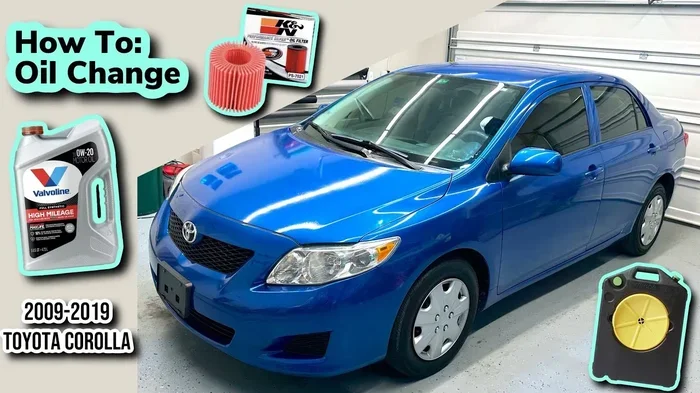
- Oil changes: Use the manufacturer-recommended 0W-20 or 5W-20 synthetic oil. Clean oil reduces engine friction. If you are unsure about viscosity, check whether you can use 5W20 instead of 0W20 in Can I Use 5W20 Instead Of 0W20.
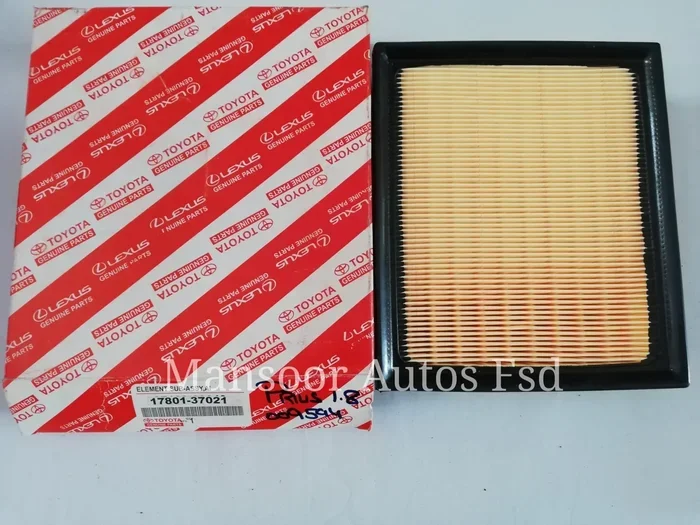
- Air filter: A clogged air filter restricts airflow and forces the engine to work harder. Replace it every 15,000 to 30,000 miles.
- Spark plugs: Worn spark plugs cause incomplete combustion. This wastes fuel and reduces power. Replace them according to the maintenance schedule.
- Oxygen sensor: A faulty oxygen sensor can lower MPG by up to 40%. Have it checked if your check engine light is on.
- Tire pressure: Underinflated tires create rolling resistance. Check tire pressure monthly and keep it at the level listed on the driver’s door jamb.
Common Mistake: Many drivers think premium gasoline will improve fuel economy. The Corolla is designed to run on regular unleaded. Using premium gas provides no benefit and costs more per gallon.
Common Mistakes That Increase Fuel Use
Even the best-designed car can suffer from poor owner habits. The Toyota Corolla is no exception. Avoiding these common mistakes will help you maintain excellent fuel economy.
Ignoring Tire Pressure
Tires that are underinflated by just 1 PSI can lower fuel economy by 0.3%. Over a month, this adds up. Make it a habit to check tire pressure when the tires are cold. The correct pressure is printed on a sticker inside the driver’s door. Keeping tires properly inflated is one of the simplest ways to save gas.
Excessive Idling
Modern engines do not need extended warm-up time. If you are parked for more than a minute, turn off the engine. Idling burns fuel without moving the car. This is especially wasteful in drive-through lanes or while waiting for someone. The Corolla’s start-stop system, available on some trims, handles this automatically.
Using the Wrong Fuel Grade
The Corolla manual specifies regular unleaded gasoline (87 octane). Using mid-grade or premium fuel will not improve performance or fuel economy. It will only drain your wallet faster. Stick with the recommended grade and save your money.
Expert Insight: According to automotive engineers, the Corolla’s fuel efficiency comes from a combination of lightweight materials, aerodynamic styling, and precise engine tuning. Every design choice is made with fuel economy in mind. This is why the Corolla consistently ranks among the most efficient sedans in its class.
Is the Corolla a Good Daily Driver for Fuel Savings?
Does the Toyota Corolla Use a Lot of Fuel as a daily driver? Absolutely not. The Corolla is widely regarded as one of the best daily drivers for fuel savings. Its low running costs, reliability, and impressive MPG make it a standout choice. Whether you are a single commuter or a family driver, the Corolla keeps fuel expenses manageable.
Long-Term Reliability and Fuel Costs
Fuel costs are only part of the equation. The Corolla is also known for its long-term reliability. A well-maintained Corolla can easily last 200,000 miles or more. During that lifespan, the fuel savings compound significantly. Compared to less efficient vehicles, the Corolla owner can save thousands of dollars in gas over the life of the car. Add in lower maintenance costs and strong resale value, and the financial picture becomes very compelling.
Many buyers also appreciate the Corolla’s strong resale value. Efficient, reliable cars hold their value well. When it is time to sell or trade in, the Corolla retains a larger percentage of its original price than many competitors.
Expert Insight: Why the Corolla Stands Out
Automotive experts consistently praise the Corolla for its balance of efficiency, comfort, and value. The 2024 model year continues this tradition. With standard Toyota Safety Sense 3.0 and a suite of efficiency features, the Corolla delivers a complete package. It is not just cheap to run; it is also pleasant to drive. The steering is responsive, the ride is smooth, and the cabin is well-appointed. All of this comes without a fuel penalty.
Key Takeaway: The Toyota Corolla is one of the most affordable cars to fuel. Its combination of high MPG, low maintenance costs, and strong reliability makes it a top pick for anyone looking to minimize their cost of ownership.
Conclusion
The answer to Does the Toyota Corolla Use a Lot of Fuel is a clear no. From the gas model’s 32 MPG to the hybrid’s 52 MPG, the Corolla delivers outstanding fuel economy. Daily driving costs remain low, and the car’s range means fewer trips to the gas station. By following the tips in this article, you can maximize those savings even further. Keep your tires inflated, drive smoothly, and stick with regular maintenance. The Corolla is built to reward careful owners with years of efficient, affordable driving. Take what you have learned here and apply it to your daily routine. Your fuel bill will thank you.
Frequently Asked Questions
How many miles can a Toyota Corolla go on a full tank?
With a 13.2-gallon fuel tank and an average of 32 MPG, the gas Corolla can travel about 422 miles on a full tank. The hybrid version, with its 52 MPG combined rating, can exceed 600 miles on a single fill-up. Real-world range depends on driving habits and conditions.
Does the Toyota Corolla Hybrid use gas only when the battery is low?
The Corolla Hybrid uses both the electric motor and the gas engine together for optimal efficiency. It can run on electric power alone at low speeds and during light cruising. The gas engine automatically engages when you need more power or when the battery state of charge drops. It is a seamless process designed to maximize fuel savings.
Is premium gas better for the Toyota Corolla?
No. The Corolla is engineered to run on regular unleaded gasoline (87 octane). Using premium fuel will not improve performance, fuel economy, or engine longevity. Stick with the recommended grade to save money at every fill-up.
How can I check my Corolla’s real-time fuel economy?
Most Toyota Corolla models come with a multi-information display that shows instant and average MPG. You can also reset the trip meter and manually calculate your MPG by dividing miles driven by gallons used. Tracking it over time helps you identify trends and improve your driving habits.
Does the Corolla’s fuel economy drop in cold weather?
Yes, cold weather can temporarily lower fuel economy. Engines take longer to reach operating temperature, and winter gasoline blends have slightly less energy. Using a block heater in extreme cold and keeping the car garaged can help minimize this effect. Once the engine is warm, the Corolla returns to its normal efficient performance.
Can I improve my Corolla’s fuel economy by removing excess weight?
Absolutely. Extra weight forces the engine to work harder. Removing roof racks, heavy cargo, and unnecessary items from the trunk can improve MPG by a few percentage points. Every little bit helps, especially if you carry heavy loads daily.