How Do I Turn Off The Tire Pressure Light?
The most important thing to know about turning off your tire pressure light is that it usually resets on its own once you fix the underlying issue. Low tire pressure, a faulty sensor, or sudden temperature changes are the most common reasons this warning light appears on your dashboard. In this guide, you will learn exactly how to check your tire pressure, reset the light, and determine whether a trip to the mechanic is necessary to keep your vehicle safe and running smoothly.
How Do I Turn Off The Tire Pressure Light?
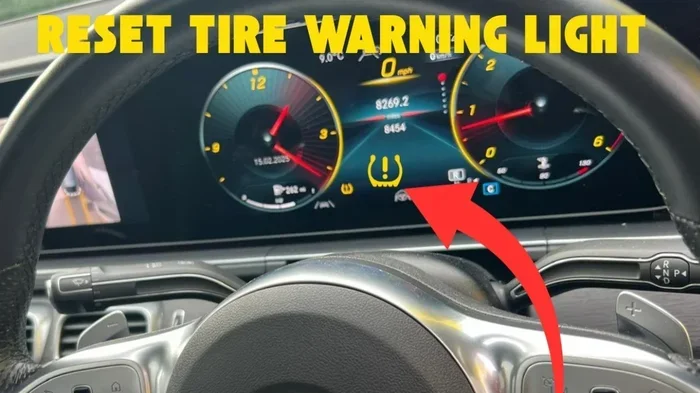
You are driving down the road, and suddenly that little yellow warning light on your dashboard starts flashing. It looks like a horseshoe with an exclamation point in the middle. Your heart skips a beat. What does it mean, and how do I turn off the tire pressure light? This is one of the most common dashboard warnings drivers face, and it can send anyone into a mild panic. The good news is that in most cases, the fix is simple and inexpensive.
Understanding the tire pressure light is the first step toward staying safe on the road. This warning is part of your car’s tire pressure monitoring system, or TPMS. It alerts you when the air pressure inside one or more tires falls below the recommended level. Ignoring it can lead to poor fuel economy, uneven tire wear, and even dangerous blowouts. In this guide, we will walk you through everything you need to know about resetting the tire pressure light, what causes it to come on, and when you should seek professional help.
Whether you are dealing with a seasonal temperature drop or a slow leak, this article covers it all. We will break down the process into easy steps so you can handle the situation with confidence. Let us get started.
Key Takeaways
- Reset the TPMS light: after fixing pressure, use the reset button or menu.
- Check tire pressure first: the light often indicates low pressure.
- Cold tires give accurate readings: measure before driving.
- Replace faulty sensors: the light may persist after proper inflation.
- Drive at highway speeds: 10 minutes can recalibrate the system.
- Inspect the spare tire: a low spare triggers the warning.
- Consult your owner’s manual: find vehicle-specific reset steps.
📑 Table of Contents
- Understanding Your Tire Pressure Warning Light
- Common Causes Of The Tire Pressure Light
- How To Check Your Tire Pressure Before Resetting
- Step By Step Guide To Turn Off The Tire Pressure Light
- When The Tire Pressure Light Comes Back On
- Preventing Future Tire Pressure Issues
- Quick Reference: Tire Pressure Light Troubleshooting
- Key Takeaways
Understanding Your Tire Pressure Warning Light
The tire pressure warning light is designed to protect you. It is not just an annoyance. It is a safety feature built into your vehicle. When the TPMS detects that tire pressure is too low or too high, it triggers the light on your dashboard. But what exactly does this light look like, and what should you do when it appears?
What Does the Tire Pressure Light Look Like?
The icon is easy to spot once you know what to look for. It is typically a yellow or amber symbol shaped like a horseshoe or a cross-section of a tire. Inside the shape, you will see an exclamation mark. Some vehicles display the letters “TPMS” instead. The light may flash for a few seconds when you start the car and then stay solid, or it may remain flashing continuously.
If you see this light, do not ignore it. A dashboard warning light like this one should always be taken seriously. Much like the question of whether you can drive with the Trac Off light on, driving with a lit tire pressure light is possible but not without risks.
Why Does the TPMS Exist?
The tire pressure monitoring system was mandated in all new vehicles sold in the United States starting in 2007. The goal was simple: reduce accidents caused by underinflated tires. Properly inflated tires improve handling, braking, and fuel efficiency. They also last longer. The TPMS sensor inside each tire continuously measures the air pressure and sends data to your car’s computer. When the pressure drops by about 25 percent below the recommended level, the light comes on.
Common Causes Of The Tire Pressure Light
Several factors can trigger the tire pressure light. Understanding the root cause helps you choose the right fix. Here are the most common reasons the light turns on.
- Temperature changes: Cold weather causes air inside tires to contract, reducing pressure. A sudden drop in temperature of just 10 degrees Fahrenheit can lower tire pressure by about 1 PSI.
- Slow leaks: A small puncture or a worn valve stem can let air out gradually. You may not even notice a flat tire visually.
- Seasonal pressure loss: Tires naturally lose about 1 PSI per month. This means tires that were fine in summer may trigger the light in winter.
- TPMS sensor battery failure: The sensor inside each tire has a small battery. When it dies, the system cannot read pressure correctly, and the light comes on.
- Recent tire changes: Rotating tires, replacing a tire, or removing a wheel can temporarily disrupt the TPMS system.
- Overinflation: Too much air pressure can also trigger the warning, though this is less common.
Each of these causes requires a slightly different approach to fix. The next section will show you exactly how to handle them.
How To Check Your Tire Pressure Before Resetting
Before you try to reset the tire pressure light, you need to confirm the pressure in each tire. Skipping this step is a common mistake. You might reset the light only to have it come back on an hour later. Here is how to do it the right way.
Finding the Recommended Tire Pressure
Do not guess the correct pressure. Every vehicle has a recommended tire pressure listed in one of two places. Check the sticker on the driver’s side door frame. It shows the ideal PSI for front and rear tires. You can also find this information in the owner’s manual. Never use the number printed on the tire sidewall. That number is the maximum pressure the tire can handle, not the recommended pressure for your specific vehicle.
Using a Tire Pressure Gauge
A tire pressure gauge is a small, inexpensive tool every driver should own. You can find one at any auto parts store for under $15. Follow these steps to check your pressure:
- Remove the valve cap from the tire.
- Press the gauge firmly onto the valve stem.
- Read the number on the gauge. This is the current PSI.
- Compare it to the recommended pressure on the door sticker.
- Repeat for all four tires and the spare if applicable.
If any tire reads below the recommended level, add air using a gas station air pump or a portable tire inflator. Most tires need between 30 and 35 PSI, but always check your vehicle’s specific recommendation.
Step By Step Guide To Turn Off The Tire Pressure Light
Once all tires are at the correct pressure, you can turn off the tire pressure light. The exact process varies depending on your vehicle make and model. Below are the most common methods used across different cars.
Method 1: The Auto Reset Feature
Many modern vehicles have an automatic reset function. Once you inflate all tires to the proper level, the system recalibrates itself after you drive a certain distance, usually between 50 and 100 miles. Simply drive normally, and the light should turn off on its own within a few days.
Method 2: The Reset Button
Most cars have a dedicated TPMS reset button. It is usually located beneath the steering wheel or on the center console. Here is how to use it:
- Make sure all tires are at the correct pressure.
- Turn the ignition to the “on” position without starting the engine.
- Press and hold the TPMS reset button until the warning light blinks three times.
- Start the engine and let the car idle for about 20 minutes.
- The system should recalibrate, and the light will turn off.
Method 3: Through the Infotainment System
Some newer vehicles allow you to reset the TPMS through the infotainment screen. Navigate to the vehicle settings menu, look for “Tire Pressure” or “TPMS,” and follow the on-screen prompts. This method is common in trucks and SUVs from manufacturers like Ford, Chevrolet, and Toyota.
Method 4: Disconnecting the Battery
If none of the above methods work, you can try disconnecting the car battery for about 15 minutes. This resets the entire electrical system, including the TPMS. Simply remove the negative battery cable, wait 15 minutes, and reconnect it. This method should be a last resort because it also resets other settings like radio presets and clock time.
When The Tire Pressure Light Comes Back On
Sometimes the tire pressure light returns after you have already reset it. This is frustrating but not uncommon. Here is what to do when the light keeps coming back.
- Check for slow leaks: Spray soapy water on each tire valve stem. If you see bubbles forming, you have a leak. A professional can patch or replace the valve stem.
- Inspect the TPMS sensor: A damaged or dead sensor will cause the light to stay on even when tire pressure is fine. Sensors typically last 5 to 10 years before the battery dies.
- Look for temperature-related issues: If the light only comes on in cold weather and disappears in warm weather, the pressure drop is likely due to temperature changes. Inflate tires slightly above the recommended PSI in winter to compensate.
- Visit a mechanic: If you have tried everything and the light persists, a professional diagnostic scan can identify the exact problem.
Keep in mind that driving with an unresolved warning light can affect your vehicle’s overall safety. Just as you would not ignore a Trac Off light and keep driving without understanding the cause, you should not ignore the tire pressure light either.
Preventing Future Tire Pressure Issues
The best way to deal with the tire pressure light is to prevent it from coming on in the first place. Regular maintenance and simple habits can keep your tires in great shape and your dashboard warning-free.
Make Tire Pressure Checks Part of Your Routine
Get into the habit of checking tire pressure at least once a month. Use a reliable gauge and always check when the tires are cold, meaning the car has been parked for at least three hours. Cold tires give the most accurate readings. Add this to your phone calendar or set a recurring reminder so you do not forget.
Invest in a Quality Tire Gauge
The free air pumps at gas stations are often inaccurate. A digital tire gauge from a trusted brand gives you precise readings every time. Look for one that is easy to read and has a comfortable grip. This small investment pays for itself in better fuel economy and longer tire life.
Know How Weather Affects Tire Pressure
As a general rule, tire pressure drops about 1 PSI for every 10-degree drop in outside temperature. If summer gives you 35 PSI and winter brings a 30-degree temperature plunge, your tires could lose 3 PSI. Inflate to the higher end of the recommended range during cold months to stay ahead of the problem.
Keep Your Tires Properly Maintained
Regular tire rotation, alignment checks, and visual inspections go a long way. Uneven tire wear can indicate alignment problems that affect pressure distribution. Well-maintained tires not only keep the TPMS light off but also improve your safety and fuel efficiency on the road.
Proper tire care also helps you avoid situations where you might be wondering whether it is safe to drive with a warning light on, similar to concerns about driving with the car overheating in winter or other dashboard warnings.
Quick Reference: Tire Pressure Light Troubleshooting
Here is a quick comparison table to help you troubleshoot the tire pressure light based on common scenarios.
| Symptom | Likely Cause | Recommended Action |
|---|---|---|
| Light comes on after cold weather | Air contraction in tires | Inflate tires to recommended PSI |
| Light stays on after inflating | TPMS needs reset | Use reset button or drive 50-100 miles |
| Light flashes then stays solid | TPMS sensor malfunction | Visit mechanic for diagnostic scan |
| Light comes on shortly after reset | Slow leak or puncture | Inspect tires and valve stems for leaks |
| Light comes on after tire rotation | Sensor not recalibrated | Reset TPMS using vehicle-specific method |
| Light on with all tires at correct pressure | Dead sensor battery | Replace TPMS sensor battery or sensor |
Key Takeaways
The tire pressure light is your car’s way of telling you something needs attention. In most cases, the fix is straightforward. Check the pressure in all tires, inflate to the recommended level, and reset the system using your vehicle’s specific method. If the light keeps coming back, inspect for slow leaks or sensor issues and seek professional help when needed.
Regular tire maintenance is the best defense against unexpected warnings. A few minutes of checking each month can save you from costly repairs, poor fuel economy, and unsafe driving conditions. Stay proactive, stay informed, and keep your tires in top shape.
Remember, your dashboard warning lights are there to protect you. Treat them seriously, address them promptly, and you will enjoy a safer, smoother ride every time you get behind the wheel. The tire pressure light may seem intimidating at first, but with the knowledge in this guide, you now have the power to handle it like a pro.
Frequently Asked Questions
How Do I Turn Off the Tire Pressure Light?
To turn off the tire pressure light, first check that all tires are at the recommended PSI listed on your driver’s side door jamb. Inflate any tires that are low, then drive at moderate speed for a few minutes. In most vehicles, the light will reset automatically once the system detects proper pressure.
Why Is My Tire Pressure Light Still On After I Inflate My Tires?
The light may stay on if the pressure hasn’t fully stabilized or if the reset procedure hasn’t been completed. Some cars require a manual reset through the dashboard menu or a button near the steering column. Check your owner’s manual for the specific reset steps for your vehicle model.
Can I Drive With the Tire Pressure Light On?
It’s not recommended to drive far with the tire pressure warning light illuminated, as it signals a potential safety issue. Underinflated tires can reduce fuel efficiency, cause uneven wear, and increase the risk of a blowout. Have your tires checked as soon as possible to avoid further damage or danger on the road.
What Causes the Tire Pressure Warning Light to Come On?
The most common cause is a drop in air pressure in one or more tires, often from a slow leak, puncture, or temperature changes. A faulty tire pressure sensor or a dead sensor battery can also trigger the light even when tires are properly inflated. Seasonal cold weather is another frequent culprit, as it causes air inside tires to contract.
How Do I Reset the Tire Pressure Light After Changing Tires?
After installing new tires or rotating them, you’ll need to reset the TPMS system to clear the warning. Start by ensuring all tires are set to the correct pressure, then locate the reset button usually found beneath the steering column or in the infotainment settings. Press and hold the button until the light blinks and then stays off, which confirms the system has been recalibrated.
Does Cold Weather Make the Tire Pressure Light Come On?
Yes, cold weather is one of the most common reasons the tire pressure light activates, as low temperatures cause the air inside tires to contract and drop in pressure. A drop of just 10 degrees Fahrenheit can reduce tire pressure by about 1 PSI. If the light comes on in winter, check your tire pressure and add air as needed to bring it back to the recommended level.