How Do You Know If You Need Power Steering Fluid Warning Signs
Power steering fluid keeps your wheels turning smoothly, and ignoring its warning signs can lead to expensive damage. You will learn to spot the key power steering fluid warning signs like stiff steering, strange noises, and fluid leaks. This guide gives you simple steps to check your fluid and know when to call a mechanic.
Your car’s steering system works hard every time you turn the wheel. It relies on a special liquid to multiply your effort and make the ride feel easy. When that liquid drops or gets dirty, the whole system suffers. Power steering fluid is the lifeblood of this setup, and knowing the power steering fluid warning signs can save you from a big headache.
Steering feels heavy? Your car might be crying for help. The good news is that most power steering problems give clear signals early. You just need to know what to look for. In this guide, we’ll walk you through every sign, check, and fix in plain language. By the end, you will feel confident spotting trouble before it becomes a dangerous repair bill.
Key Takeaways
- Stiff or heavy steering is the most common sign your fluid is low or dirty.
- Whining or groaning noises when you turn the wheel point to air bubbles or low fluid.
- Fluid leaks under your car often look like clear, amber, or reddish puddles.
- Discolored or burnt-smelling fluid means the system needs a flush and refill.
- Regular checks every few months can prevent major steering pump failure.
- Never ignore warning signs because small issues become costly repairs fast.
📑 Table of Contents
What Does Power Steering Fluid Do?
The Hydraulic System Explained
Your steering system uses hydraulic pressure to multiply the force you apply to the wheel. When you turn the key and rotate the wheel, a pump pushes fluid through lines to a steering gear. That fluid transfers power smoothly, so you do not have to muscle the wheel. Without enough fluid, the pump strains and the steering feels stiff.
Think of it like a bicycle pump. If you lose air, you have to push much harder. The same idea applies to your car’s power steering system. The fluid also lubricates seals and moving parts inside the pump and gear. Clean fluid keeps everything running quiet and cool.
Why Fluid Level Matters
The power steering reservoir holds the fluid and lets you check the level. When the level drops, air enters the system. Air bubbles cause noise and erratic steering assist. Low fluid also means the pump runs dry, which causes heat and wear. Keeping the right level is simple but critical for long steering life.
Common Power Steering Fluid Warning Signs
Your car speaks to you through sounds, feels, and sights. Here are the most common power steering fluid warning signs that drivers often miss.
Hard Steering or a Stiff Wheel
If the wheel feels heavy, especially at low speeds or when parking, your fluid may be low. You might notice it takes more effort to turn into a parking spot. This is one of the first steering warning signs people experience. Do not ignore it. Driving with a stiff wheel can overheat the pump and lead to a full system failure.
Strange Noises When Turning
A whining, groaning, or squealing sound when you turn the wheel is a classic clue. The noise often gets louder when you turn the wheel all the way to one side. These sounds mean the pump is starving for fluid or air is entering the lines. Power steering fluid leaks often cause this problem. A quick fluid check can confirm the issue.
Fluid Leaks Under the Car
Look down after you park. Do you see a puddle? Power steering fluid leaks often leave a clear, amber, or reddish-brown spot under the front of the car. The fluid feels slick and oily. You might find leaks around the power steering pump, the rack seals, or the hoses. Even a small leak can drop the level fast and cause steering trouble.
Discolored or Dirty Fluid
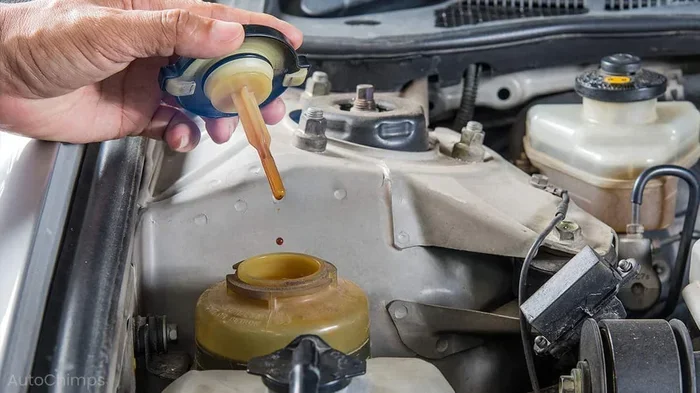
Fresh power steering fluid is usually clear, amber, or light pink. If you open the reservoir and see dark brown or black fluid, it is time for a change. Dirty fluid carries metal particles and sludge that wear out seals and valves. A burnt smell is another red flag. This means the fluid has broken down and no longer protects the system.
Delayed or Jerky Steering Response
When you turn the wheel, you expect an instant response. If there is a pause or the wheel feels jerky, the fluid may not be flowing properly. Air in the system or low fluid causes this hesitation. It is a safety concern because you need smooth, immediate steering control, especially in emergency maneuvers.
Whining Noise When Turning the Wheel All the Way
Turning the wheel fully to one side and holding it can make the pump work hardest. If you hear a loud whine in that position, the fluid level is likely low. The pump is cavitating, which means it is pumping air instead of fluid. This is a clear power steering fluid warning sign that needs quick attention.
How to Check Your Power Steering Fluid Level
Checking the fluid is one of the easiest things you can do. You only need a few minutes and a clean rag. Here is how to do it right.
Locating the Reservoir
Open the hood and look for a small plastic tank near the front of the engine. It usually has a cap labeled “Power Steering Fluid” or shows a steering wheel icon. The tank often has clear markings for the minimum and maximum levels. If you are not sure, check your owner’s manual for the exact location.
Checking the Fluid Condition
First, make sure the car is parked on a flat surface and the engine is off. Pull the dipstick or look through the clear reservoir wall. The fluid should sit between the two marks. Wipe the dipstick with a clean rag, reinsert it, and check again. If the level is low, top it up with the type of fluid recommended in your manual. Next, look at the color. Bright amber or clear is good. Dark brown or black means the fluid needs changing.
Quick Tips for Fluid Checks
- Check the fluid when the engine is cold for the most accurate reading.
- Use only the fluid type specified by your car manufacturer.
- Clean the reservoir cap before opening it to keep dirt out.
- Record the date and fluid color each time you check.
Top Causes of Low Power Steering Fluid
Fluid does not just vanish. Something is letting it escape or break down. Here are the main reasons your level drops.
Leaks in the System
The most common cause is a power steering fluid leak. Seals inside the pump or steering rack wear over time. O-rings and hose connections can also loosen or crack. Heat and pressure make these parts brittle. Even a tiny crack can let fluid seep out slowly, so you might not see a big puddle right away.
Normal Evaporation and Wear
Over time, the fluid naturally absorbs moisture and loses its effectiveness. The system also uses a small amount of fluid as parts expand and contract with heat. Regular top-ups are normal, but frequent drops signal a problem that needs investigation.
Overheating from Heavy Use
Turning the wheel fully back and forth while parked puts extra strain on the pump. This generates heat that can break down the fluid faster. If you often maneuver in tight spaces, check your fluid level more often.
Common Mistakes to Avoid
- Topping up with the wrong fluid type, which can damage seals.
- Ignoring a small leak because it is not dripping fast.
- Checking the fluid only when the steering feels bad.
- Overfilling the reservoir, which can cause pressure issues.
What Happens If You Ignore the Warning Signs?
It is tempting to delay a repair, but steering problems only get worse. Here is what can happen if you overlook the power steering fluid warning signs.
Damage to the Steering Pump
A pump running low on fluid will overheat. The metal parts grind against each other without proper lubrication. Soon, the pump fails completely. Replacing a power steering pump is expensive because it involves draining the system, removing the old unit, and installing a new one. Labor costs add up quickly.
Safety Risks on the Road
Imagine the wheel locking up or becoming extremely heavy at a busy intersection. That is the risk of driving with critically low fluid. You lose steering assist, which means you must use much more physical strength to control the car. This is especially dangerous at low speeds or in tight parking lots.
Expert Insight
Many drivers ask, “Can I just keep adding fluid and keep driving?” The short answer is no. Adding fluid without fixing the leak is a temporary patch. The root cause will still damage the system. A mechanic should inspect the whole power steering system to find and repair the leak, then flush and refill with clean fluid.
How to Fix and Prevent Power Steering Fluid Problems
The good news is that most power steering fluid issues are easy to prevent with simple habits.
Topping Up the Fluid
If the level is low, you can add fluid yourself. Buy the correct type from a parts store. Remove the cap, pour slowly, and stop when the fluid reaches the full mark. Do not overfill. Wipe any spills and close the cap tightly. Start the engine and turn the wheel lock to lock a few times to circulate the new fluid. Recheck the level and add more if needed.
Regular Maintenance Tips
Prevention is always cheaper than repair. Follow these steps to keep your power steering system healthy:
- Check fluid every month. Make it part of your routine under-hood inspection.
- Look for leaks during oil checks. Shine a flashlight under the front of the car.
- Flush the system every 50,000 miles or as your manual recommends.
- Listen to your car. Pay attention to new sounds when turning.
- Keep the reservoir cap tight. A loose cap lets moisture enter the fluid.
When to Call a Professional
If you see a big leak, hear loud grinding, or the steering suddenly becomes very hard, stop driving and call for help. These are signs of serious internal damage. A certified mechanic can pressure-test the system, replace worn seals, and perform a full power steering fluid flush. Acting fast keeps you safe and saves money.
Key Takeaways
- Stiff steering often means low fluid.
- Whining noises point to air in the system or a leak.
- Fluid leaks show up as puddles under the front of the car.
- Dark or burnt-smelling fluid needs immediate replacement.
- Regular checks prevent expensive pump failure.
Conclusion
Knowing the power steering fluid warning signs gives you confidence and control over your car’s health. You do not need to be a mechanic to spot the clues. Heavy steering, strange noises, leaks, and dirty fluid all tell a clear story. By checking your fluid regularly and acting fast when you see trouble, you protect your steering system and your wallet. Remember, power steering fluid is cheap and easy to top up, but the damage from ignoring it is not. Make it a habit to glance under the hood and listen to your car. It will reward you with smooth, safe steering for years to come.
Frequently Asked Questions
What are the first signs of low power steering fluid?
The first signs are usually a heavy or stiff steering wheel, especially at low speeds. You might also hear a whining or groaning noise when you turn the wheel. These power steering fluid warning signs mean the system is not getting enough fluid to operate smoothly.
Can I drive with low power steering fluid?
It is not safe to drive with low fluid for long. The pump will overheat and wear out quickly, and your steering may become hard to control. If you must drive a short distance, top up the fluid first and get to a mechanic as soon as possible.
How often should I check my power steering fluid?
Check the fluid level at least once a month. It takes just a few minutes and can prevent major issues. Make it part of your regular under-hood routine alongside checking the engine oil and coolant.
What color should power steering fluid be?
Healthy fluid is typically clear, amber, or light pink. If it turns dark brown or black, it has broken down and needs to be flushed. A burnt smell is another clear signal that the fluid is no longer protecting your system.
Is a power steering fluid leak expensive to fix?
The cost depends on where the leak is. A small hose or seal repair is usually affordable. Ignoring the leak can lead to pump failure, which is much more expensive. Catching a leak early saves money and keeps you safe.
Can I use any power steering fluid in my car?
No, you should always use the fluid type specified in your owner’s manual. Different systems use different formulations, and using the wrong fluid can damage seals and internal parts. When in doubt, ask a mechanic for the correct product.