How Do You Know When an Auto Gas Vehicle Tank Is Full
Knowing when your auto gas vehicle tank is full is essential for safe driving and fuel efficiency. This guide walks you through every sign, signal, and system that tells you your tank has reached maximum capacity. You will learn how the fuel gauge works, what warning lights mean, and simple tips to avoid overfilling.
Have you ever driven around wondering if your auto gas vehicle tank is really full? Maybe you squeezed in one more pump after the nozzle clicked off. Or perhaps your fuel gauge needle sits right at the top, and you are not sure if that means full or just close to full. Either way, understanding your fuel level matters more than most people think.
Keeping your tank at the right level affects fuel economy, engine health, and overall safety. An overfilled tank can cause leaks and damage. An underfilled tank can strain your fuel pump and leave you stranded. This guide covers everything you need to know about recognizing when your gas tank reaches full capacity. You will learn how the fuel system works, what signals to watch for, and how to avoid common mistakes at the pump.
Whether you drive a compact car or a full-size truck, the principles stay the same. Let us dive into the details so you never have to guess again.
Key Takeaways
- Fuel gauge reading: The dashboard indicator is your primary tool for checking if your auto gas vehicle tank is full.
- Fuel cap click: A firm click when closing the fuel cap often means the tank is at capacity.
- Fuel pump auto-shutoff: The nozzle clicking off during refueling is a reliable sign your tank is full.
- Warning lights: The low fuel light and check engine light can signal fuel level issues you should not ignore.
- Fuel range estimate: Your vehicle’s computer calculates remaining range, helping you know how close you are to a full tank.
- Overfilling risks: Topping off too much can damage the fuel system and trigger costly repairs.
📑 Table of Contents
- Understanding Your Vehicle’s Fuel System
- How the Fuel Gauge Works
- Signs Your Auto Gas Vehicle Tank Is Full
- Common Fuel Gauge Problems and How to Fix Them
- Tips for Filling Your Tank Safely and Efficiently
- When to Worry About Your Fuel Level
- Quick Tips for Every Driver
- Common Mistakes People Make at the Pump
- Expert Insights on Fuel Management
- Key Takeaways
- Conclusion
Understanding Your Vehicle’s Fuel System
Before we talk about how to know when a tank is full, it helps to understand what is inside. Your auto gas vehicle tank connects to a system of parts that work together to deliver fuel to the engine. Each part plays a role in telling you how much fuel you have.
The Fuel Tank
The fuel tank stores gasoline or diesel. Most passenger vehicles hold between 12 and 20 gallons. The tank is designed with extra space at the top to allow for fuel expansion. This is why you should never force extra fuel after the pump shuts off. That extra space is called the expansion gap, and it serves an important purpose.
The Fuel Gauge and Sender Unit
Inside the tank sits a fuel sender unit. This device uses a float attached to a resistor. As the fuel level rises and falls, the float moves up and down. This movement sends an electrical signal to your dashboard fuel gauge. The gauge then displays your fuel level as a number or a needle position.
Over time, the sender unit can wear out. When it does, the gauge may read inaccurately. This is one reason your fuel gauge might not show the full mark even when the tank is completely full.
The Fuel Filler Neck and Cap
The fuel filler neck is the tube that connects the outside of your car to the tank. The fuel cap seals the system. A proper seal prevents fuel vapors from escaping and keeps contaminants out. When you tighten the cap and hear a click, that is your signal that the seal is engaged.
How the Fuel Gauge Works
Your dashboard fuel gauge is the most direct way to check your fuel level. But many drivers do not fully understand what the gauge is telling them. Let us break it down.
Reading the Gauge Needle
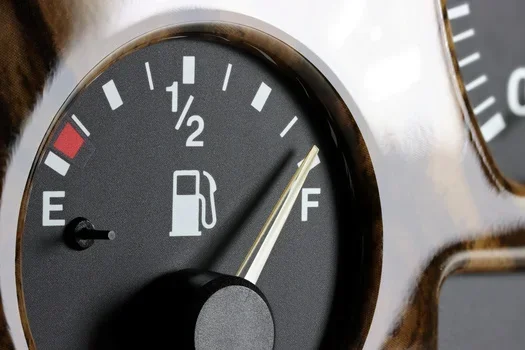
Most fuel gauges show a scale from E (empty) to F (full). When the needle points to F, your auto gas vehicle tank is full. When it points to E, you need fuel immediately. The space between E and F represents your remaining fuel level.
Here is something many drivers do not realize. The gauge needle does not always move smoothly. It can stick or lag, especially when the vehicle is on a slope. If you are parked on a hill, the float inside the tank may shift, causing the needle to move slightly. This is normal and does not mean your fuel level has changed.
Digital Fuel Displays
Many modern vehicles have digital fuel displays. These show the exact fuel level in gallons or liters. Some also display estimated driving range. This is the number of miles you can still travel on the fuel remaining. Digital displays are more precise than traditional needle gauges, but they still rely on the same sender unit inside the tank.
Why Your Gauge Might Be Wrong
Several issues can cause inaccurate fuel gauge readings:
- Worn sender unit: The float or resistor can degrade over time.
- Corroded wiring: Rust or damage to the electrical connection can send wrong signals.
- Gauge cluster problems: The gauge itself may malfunction.
- Fuel contamination: Dirt or debris in the tank can interfere with the float.
If your gauge seems off, get it checked by a mechanic. Driving with an inaccurate gauge can lead to running out of fuel unexpectedly.
Signs Your Auto Gas Vehicle Tank Is Full
So how do you actually know when the tank is full? There are several clear signs that work together to tell you. No single sign is perfect on its own, but when you combine them, you get a reliable picture.
1. The Fuel Pump Auto-Shutoff
This is the most obvious sign. When you pump gas, the nozzle has a sensor that detects when fuel reaches the top of the filler neck. The nozzle clicks off, and the pump stops. This is designed to prevent overfilling.
However, here is a tip many experienced drivers know. If you pump too fast, the vapor recovery system may trigger the shutoff prematurely. This means the pump clicks off before the tank is truly full. Try pumping at a slower speed for a more accurate fill.
2. The Fuel Cap Click
When you screw the fuel cap back on and it clicks firmly, that is another indicator. A tight seal means the tank is closed and full. If the cap feels loose or does not click, the tank may not be at maximum capacity. Always tighten the cap until you hear the click.
3. The Fuel Gauge Reads Full
After you finish refueling, wait a few seconds for the gauge to update. The needle should move to the F mark or the digital display should show the tank capacity. If it does, your auto gas vehicle tank is full.
Keep in mind that it may take a moment for the fuel to settle and for the sender unit to register the new level. If the gauge does not move right away, give it a few seconds before assuming something is wrong.
4. The Estimated Range Increases
If your vehicle has a trip computer, check the estimated driving range. After a full tank, this number should be at its highest. For example, a car with a 15-gallon tank and 30 miles per gallon economy should show a range of around 450 miles. A higher-than-usual range after refueling is a strong sign that the tank is full.
5. No Fuel Smell or Vapor
A properly filled tank should not emit any fuel smell from the filler area. If you notice a strong gasoline odor after refueling, it could mean the tank is overfilled or the fuel cap is not sealed properly. Both situations need your attention.
Common Fuel Gauge Problems and How to Fix Them
Sometimes the gauge does not show the correct level. This can be frustrating and even dangerous. Here are the most common problems and what you can do about them.
Gauge Stuck on Empty
If your gauge stays on empty even after a full tank, the sender unit is the likely culprit. The float may be stuck or the resistor may be broken. A mechanic can test the sender unit and replace it if needed. This repair usually costs between 150 and 300 dollars depending on the vehicle.
Gauge Stuck on Full
A gauge stuck on full is less common but still problematic. It usually means the sender unit resistor has failed in the full position. Your vehicle will not give you an accurate low-fuel warning. This can lead to running out of fuel unexpectedly. Replace the sender unit to fix this issue.
Gauge Fluctuating Erratically
If the needle jumps around randomly, you may have a loose or corroded wiring connection. Check the wiring harness behind the fuel tank. Clean any corroded connectors and secure loose wires. If the problem persists, the sender unit itself may need replacement.
Check Engine Light and Fuel Level
A check engine light can sometimes relate to fuel system issues. The onboard diagnostic system monitors the fuel tank pressure and sender unit. If the check engine light comes on along with a fluctuating gauge, get the error codes scanned. A P0463 or P0465 code often points to a fuel level sensor problem.
Tips for Filling Your Tank Safely and Efficiently
Filling up seems simple, but small mistakes can lead to big problems. Follow these tips to get the most out of every fill-up.
Do Not Top Off the Tank
Many drivers like to squeeze in extra fuel after the pump clicks off. This is called topping off, and it can cause serious issues. Excess fuel can enter the charcoal canister, which is part of your vehicle’s emissions system. A saturated canister leads to poor engine performance and expensive repairs.
Let the pump do its job. When it clicks off, stop. That is your signal that the tank is full.
Fill Up in Cool Weather
Gasoline expands in heat. Filling up during cooler hours, like early morning or evening, gives you slightly more fuel per gallon. The difference is small, but it adds up over time.
Use the Recommended Fuel Grade
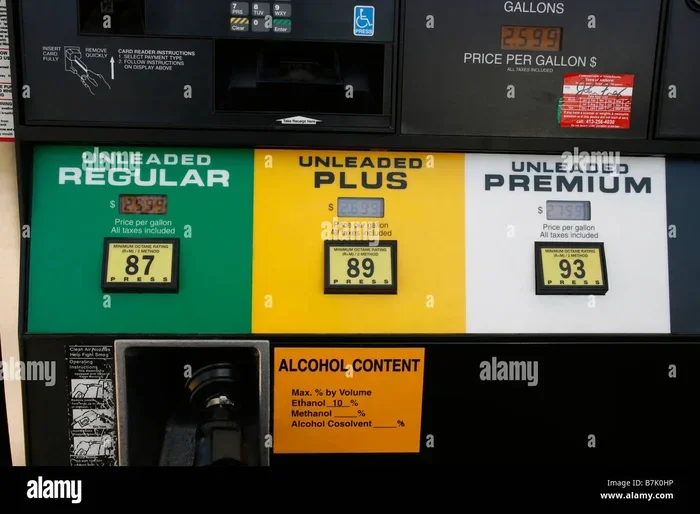
Check your owner’s manual for the recommended fuel grade. Using a lower grade than required can cause engine knocking and reduced performance. Using a higher grade than needed wastes money without providing benefits.
Keep Your Fuel Level Above a Quarter Tank
Running on low fuel too often can wear out the fuel pump. The pump relies on fuel flowing through it for cooling. When the tank is nearly empty, the pump works harder and can overheat. Keeping at least a quarter tank at all times helps extend the life of your fuel pump.
Know Your Vehicle’s Tank Capacity
Every vehicle has a rated tank capacity listed in the owner’s manual. For example, a 2020 Honda Civic holds about 12.4 gallons. A 2020 Ford F-150 holds around 26 gallons. Knowing your tank capacity helps you estimate fuel costs and plan longer trips.
When to Worry About Your Fuel Level
Sometimes fuel level issues signal deeper problems. Here are situations where you should take action right away.
Rapid fuel loss: If you are filling up more often than usual and your driving habits have not changed, something is wrong. Possible causes include a fuel leak, a stuck open fuel injector, or a faulty gauge. Have the vehicle inspected immediately.
Fuel smell inside the cabin: A gasoline odor inside the car is a serious safety concern. It could indicate a fuel line leak, a damaged fuel tank, or a faulty fuel cap seal. Do not ignore this. Pull over safely and check the fuel cap first. If the smell persists, call for roadside assistance.
Low fuel warning light stays on: If the low fuel light stays on even after a full tank, the gauge sensor or the light itself may be faulty. While this is not an emergency, it should be addressed soon to avoid confusion.
Fuel gauge drops suddenly: A sudden drop from full to half can indicate a sender unit failure or a fuel leak. Check the vehicle in a safe location and contact a mechanic.
Quick Tips for Every Driver
- Always tighten the fuel cap until it clicks. A loose cap can trigger the check engine light and reduce fuel economy.
- Do not run the tank below a quarter. This protects the fuel pump and gives you a safety buffer.
- Trust the pump shutoff, not the gauge alone. The gauge can lag, but the pump shutoff is a hard stop designed to prevent overfilling.
- Keep a record of fill-ups. Tracking how many miles you get per gallon helps you spot fuel system problems early.
- Replace the fuel cap if it is damaged. A cracked or worn cap seal leads to vapor leaks and failed emissions tests.
Common Mistakes People Make at the Pump
Even experienced drivers make mistakes. Here are the most common ones and how to avoid them.
Topping Off the Tank
We already mentioned this, but it deserves emphasis. Topping off can damage the emissions system. The charcoal canister is not designed to handle liquid fuel. Once saturated, it must be replaced, and that is an expensive repair.
Ignoring the Low Fuel Warning
The low fuel warning light is there for a reason. Many drivers ignore it and push the tank to empty. This puts extra strain on the fuel pump and can lead to a breakdown. When the light comes on, find a gas station as soon as safely possible.
Pumping Too Fast
Using the high-speed pump setting can trigger the vapor recovery system prematurely. The nozzle clicks off before the tank is truly full. Switch to a lower speed for a more accurate fill.
Not Checking for Leaks
After refueling, glance under the vehicle for any drips or puddles. Fuel leaks are dangerous and can lead to fires. If you notice any fuel odor or visible leaks, do not drive the vehicle. Call a tow truck and have it towed to a repair shop.
Expert Insights on Fuel Management
Automotive experts agree that proper fuel management starts with understanding your vehicle. According to certified mechanics, the fuel sender unit is one of the most overlooked components in regular maintenance. A failing sender unit can cause inaccurate readings that lead to either running out of fuel or overfilling the tank.
Fuel system specialists also recommend using quality fuel from reputable stations. Cheap or contaminated fuel can damage the fuel pump, clog filters, and interfere with the sender unit. A little extra care at the pump pays off in the long run.
Another expert tip is to periodically inspect the fuel cap seal. A worn or cracked seal allows fuel vapors to escape. This not only wastes fuel but also increases harmful emissions. A new fuel cap is inexpensive and easy to replace on your own.
Key Takeaways
- Fuel gauge reading: The dashboard indicator is your primary tool for checking if your auto gas vehicle tank is full.
- Fuel pump auto-shutoff: The nozzle clicking off during refueling is a reliable sign your tank is full.
- Fuel cap click: A firm click when closing the fuel cap often means the tank is at capacity.
- Digital displays: Modern vehicles show exact fuel levels and estimated range for better accuracy.
- Do not top off: Overfilling damages the emissions system and leads to costly repairs.
- Regular maintenance: Inspect the fuel cap, sender unit, and wiring to keep your fuel system working properly.
- Stay alert: Watch for warning signs like fuel smells, rapid fuel loss, or erratic gauge behavior.
Conclusion
Knowing how to tell when your auto gas vehicle tank is full is a basic but essential skill for every driver. The fuel gauge, the pump shutoff, the fuel cap click, and the estimated range all work together to give you a clear picture of your fuel level. By understanding these signals and following best practices at the pump, you protect your vehicle, save money, and stay safe on the road.
Do not ignore warning signs like a fluctuating gauge, a persistent low fuel light, or fuel odors. These are your vehicle’s way of telling you something needs attention. Regular maintenance and mindful fueling habits go a long way toward keeping your fuel system in top shape.
Next time you pull up to the pump, take a moment to pay attention to how your vehicle tells you the tank is full. Trust the signals, follow the tips in this guide, and you will never have to wonder about your fuel level again. A full tank gives you confidence and peace of mind every time you hit the road.
Frequently Asked Questions
How do I know if my fuel gauge is accurate?
Fill your tank completely and note the odometer reading. Drive until the gauge shows half a tank, then refill and note the gallons added. Compare the fuel used with your vehicle’s rated tank capacity. If the numbers match closely, your gauge is likely accurate. If not, have the sender unit inspected by a mechanic.
Can overfilling my gas tank damage the engine?
Yes. Overfilling can push liquid fuel into the charcoal canister, which is part of the emissions system. A saturated canister causes poor engine performance, rough idling, and the check engine light. In severe cases, it can damage the catalytic converter, leading to expensive repairs.
Why does my fuel gauge drop after I fill up?
This can happen if the fuel is not fully settled when you take the reading. It can also indicate a faulty sender unit or a problem with the fuel tank vent. If the drop is significant, have a mechanic check the fuel system for leaks or sensor issues.
How often should I replace my fuel cap?
There is no set schedule for fuel cap replacement. Replace it when you notice cracks, a poor seal, or if the check engine light comes on due to a vapor leak. A good quality fuel cap can last many years with proper care.
Is it safe to drive on empty?
It is not recommended. Driving on empty can cause the fuel pump to overheat and fail. Sediment at the bottom of the tank can also get pulled into the fuel system, clogging filters and injectors. Keep your tank at least a quarter full at all times.
What does the reserve fuel level mean on my gauge?
The reserve level is the section below the main fuel gauge markings. When the needle enters the reserve zone, you have a limited amount of fuel remaining, usually enough for 30 to 50 miles depending on the vehicle. Refuel as soon as possible when the needle reaches reserve.
=== CONCLUSION ===
Understanding when your auto gas vehicle tank is full helps you drive safer, save money, and avoid costly repairs. The fuel gauge, pump shutoff, fuel cap seal, and digital range display all work together to give you confidence at the pump. Follow the tips in this guide, pay attention to warning signs, and keep your fuel system in great shape. A well-maintained fuel system is the foundation of a reliable and efficient vehicle.