How Does a Dealership Warranty Work and What It Covers
A dealership warranty protects you from unexpected repair costs by covering specific parts and systems in your vehicle. Factory warranties come standard with every new car, while extended warranties offer longer protection. Understanding what your dealership warranty covers, how long it lasts, and how to file a claim can save you hundreds or even thousands of dollars. This guide breaks down everything you need to know about warranty coverage, common exclusions, and how to get the most value from your plan.
Buying a new car is exciting. But behind the excitement lies something just as important: your dealership warranty. This warranty is your safety net. It protects you from surprise repair costs that can hit your wallet hard. Many car buyers sign papers without fully understanding what their warranty covers. That is a mistake. A dealership warranty can save you thousands of dollars if you know how to use it. This guide walks you through everything you need to know. You will learn what is covered, how long it lasts, and how to file a claim the right way.
Whether you bought a brand-new vehicle or a certified pre-owned car, your warranty matters. It gives you peace of mind during those early years of ownership. But not all warranties are the same. Factory warranties differ from extended warranties. Bumper-to-bumper coverage works differently than powertrain coverage. Understanding these differences is key. This article breaks it all down in simple terms. By the end, you will feel confident about your warranty coverage and your rights as a consumer.
A dealership warranty is not just a piece of paper. It is a contract between you and the manufacturer. This contract outlines what repairs will be paid for and which ones are not. It also sets time and mileage limits. Reading the warranty terms carefully before signing is always smart. Do not be afraid to ask questions. Your dealership service department is there to help you understand every detail. Taking the time to learn about your warranty now can save you a lot of headaches later.
Key Takeaways
- Factory warranty typically covers bumper-to-bumper repairs for 3 years or 36,000 miles, whichever comes first.
- Powertrain coverage often extends longer, usually 5 years or 60,000 miles, protecting your engine and transmission.
- Filing a warranty claim is straightforward if you follow the proper steps and keep detailed service records.
- Skipping scheduled maintenance or making unauthorized repairs can void your warranty entirely.
- Extended warranties from dealerships offer additional protection beyond the original factory coverage period.
- Knowing your warranty exclusions helps you avoid surprise repair bills down the road.
- Always read the fine print and understand your deductible before signing any warranty agreement.
📑 Table of Contents
What Is a Dealership Warranty?
A dealership warranty is a promise from the manufacturer or dealer to repair or replace certain parts of your vehicle. This promise comes with specific conditions. You must follow the maintenance schedule outlined in your owner’s manual. You also need to get repairs done at authorized locations. In return, the manufacturer covers the cost of covered repairs during the warranty period.
Most new cars come with a manufacturer warranty built right in. This is often called a factory warranty. It starts on the day you take delivery of the vehicle. The warranty period and mileage limits vary by brand. Some manufacturers offer generous coverage. Others keep it more basic. Knowing what your specific factory warranty includes is the first step to protecting your investment.
Factory Warranty vs. Extended Warranty
A factory warranty comes with the car when you buy it. It is included in the purchase price. This type of manufacturer warranty usually covers repairs for a set number of years or miles. A factory warranty typically includes both bumper-to-bumper and powertrain coverage. It is designed to give you confidence during the early years of ownership.
An extended warranty is different. It kicks in after the factory warranty ends. You can purchase it from the dealership or a third party. An extended warranty acts like insurance for your vehicle. It covers repair costs that would otherwise come out of your pocket. Many buyers choose extended warranties for peace of mind. They especially like it for older vehicles or cars with higher mileage.
How a Dealership Warranty Differs from a Third-Party Warranty
A dealership warranty comes directly from the car manufacturer. It is backed by the brand’s network of service centers. When you visit your dealership service department, they can process your warranty claim quickly. Third-party warranties come from independent companies. They may offer lower prices. But they can also come with more restrictions and headaches.
With a third-party vehicle protection plan, you might face limited networks of approved repair shops. Claims can take longer to process. Some third-party plans also have higher deductible amounts. A dealership-backed warranty generally offers smoother service. It also tends to hold its value better if you decide to sell or transfer the warranty transfer to a new owner.
What Does a Dealership Warranty Cover?
Understanding what your dealership warranty covers is essential. Most warranties are divided into different coverage types. Each type protects different parts of your vehicle. Knowing these categories helps you understand when a repair will be covered and when it will not.
Bumper-to-Bumper Coverage
Bumper-to-bumper warranty coverage is the most comprehensive type. It covers almost everything between the front and rear bumpers. This includes the electrical systems, air conditioning, infotainment, and more. If a component fails due to a defect in materials or workmanship, the warranty pays for it.
Bumper-to-bumper coverage typically includes:
- Engine components and cooling systems
- Transmission and drivetrain parts
- Electrical systems and sensors
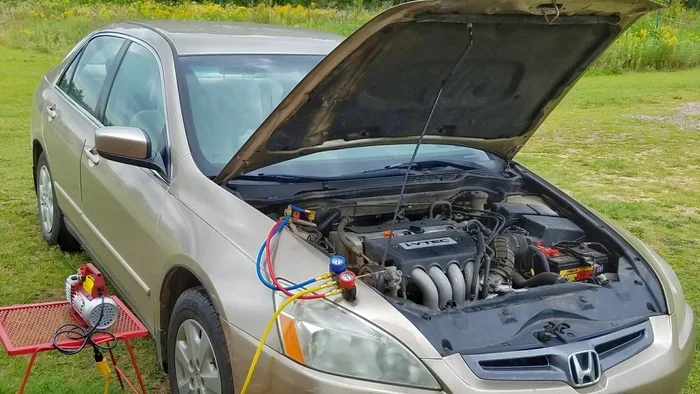
- Air conditioning and heating
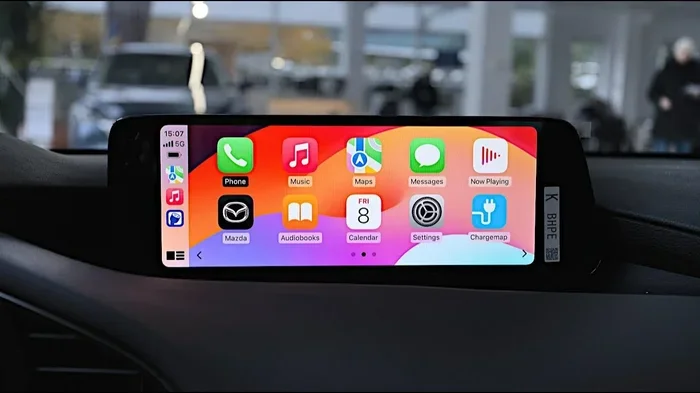
- Infotainment and audio systems
- Fuel system components
- Braking system parts
- Suspension and steering components
However, bumper-to-bumper coverage does have coverage limits. It does not cover items that wear out over time. Things like brake pads, wiper blades, and wear and tear items are usually excluded. You will need to replace those items at your own expense.
Powertrain Coverage
Powertrain coverage focuses on the parts that make your car move. This includes the engine, transmission, and drivetrain. Powertrain coverage typically lasts longer than bumper-to-bumper coverage. Many manufacturers offer powertrain protection for five years or 60,000 miles. Some brands extend this even further.
Powertrain coverage generally includes:
- Engine block and internal components
- Transmission and transaxle
- Drive shafts and axles
- Differential and transfer case
- Constant velocity joints and seals
If your powertrain coverage kicks in, the dealership covers the cost of parts and labor for those specific components. This can be a huge financial relief. Major powertrain repairs can cost thousands of dollars without warranty protection.
What’s Typically Excluded from Warranty Coverage
Not everything is covered under a dealership warranty. Understanding the warranty exclusions is just as important as knowing what is covered. Common exclusions include:
- Wear and tear items like brake pads, tires, and wiper blades
- Damage caused by accidents or collisions
- Regular maintenance such as oil changes and tire rotations
- Damage from neglect or failure to follow the maintenance schedule
- Aftermarket parts that are not approved by the manufacturer
- Environmental damage or natural disasters
- Cosmetic issues like scratches or dents
One area where many owners get caught off guard is battery coverage. Car batteries are considered maintenance items in many warranty plans. If your battery dies, you may need to replace it yourself. Autozone battery installation services can help you handle this affordably without visiting the dealership for a simple battery swap.
Another important thing to know: warranty coverage does not cover damage caused by improper use. If you tow beyond your vehicle’s capacity, you could lose coverage for related repairs. Always check your warranty terms for towing and payload limits.
How Long Does a Dealership Warranty Last?
The length of your dealership warranty depends on several factors. Most factory warranties have both a time limit and a mileage limit. Whichever comes first ends the coverage. Understanding these limits helps you plan for future repair costs and decide whether you need additional protection.
Mileage and Time Limits
Most factory warranties offer bumper-to-bumper coverage for three years or 36,000 miles. Powertrain coverage typically extends to five years or 60,000 miles. Some manufacturers go even further. Hyundai, for example, offers a 10-year or 100,000-mile powertrain warranty on many models. These coverage limits are important to understand before your warranty expiration date arrives.
Here is a quick look at common factory warranty terms across popular brands:
- Bumper-to-bumper: 3 years / 36,000 miles (most brands)
- Powertrain: 5 years / 60,000 miles (most brands)
- Roadside assistance: 3 years / 36,000 miles
- Corrosion protection: 5 years, unlimited miles
- Hybrid/electric components: 8 years / 100,000 miles (varies)
These numbers vary by manufacturer, so always check your specific warranty terms. Keep in mind that certified pre-owned vehicles may have different warranty timelines. A certified pre-owned warranty is usually shorter but still provides valuable protection for used car buyers.
What Happens When Your Warranty Expires
When your warranty expiration date arrives, you become responsible for all repair costs. This can be intimidating for many car owners. The good news is that you have options. You can purchase an extended warranty before your factory coverage ends. This gives you a seamless transition from factory to extended protection.
Another option is to set aside money for future repairs. A certified pre-owned vehicle often comes with its own warranty coverage. These warranties are usually shorter but still provide valuable protection. Planning ahead for your warranty period ending can save you from financial surprises. The key is to start thinking about this before your coverage runs out.
How to File a Warranty Claim
Filing a warranty claim might seem intimidating. But the process is actually quite straightforward. The key is knowing the right steps to take. Following the proper procedure ensures your claim gets approved without unnecessary delays.
Steps to Take Before Visiting the Dealership
Before you visit the dealership, there are a few things you should do. First, read your warranty document carefully. Understand what is covered and what is not. Next, gather all your service records. The dealership will want to see proof that you followed the maintenance schedule. Missing records can lead to a denied claim.
If your car is showing a warning light or unusual symptom, do not ignore it. Address the issue promptly. Continuing to drive a car with a known problem can sometimes void your coverage. When you are ready, contact your dealership service department to schedule an appointment. Let them know you are filing a warranty claim.
During the diagnostic process, the dealership will inspect your vehicle. They may run tests to identify the root cause. This is where services like professional diagnostic testing can complement the dealership’s work. Sometimes a second opinion on diagnostics can help clarify whether an issue falls under warranty coverage. Always ask questions and request a written estimate before any repairs begin.
What to Expect During the Claim Process
Once you submit your claim, the dealership will review it. They will check if the issue falls under your warranty coverage. If approved, the dealership handles the repair at no cost to you. You typically only pay the warranty deductible if one applies. Many factory warranties have no deductible, which is a great perk.
The repair timeline varies. Simple fixes may take a few hours. More complex issues could keep your car for several days. If the dealership needs to order parts, this can extend the wait time. Stay in communication with your service advisor. They can give you updates on the progress of your warranty claim.
In some cases, a dispute may arise. The dealership might deny your claim. They could argue that the damage was caused by wear and tear or improper use. If this happens, you have the right to appeal. You can also request a second opinion from another authorized dealer or an independent mechanic. Understanding your rights helps you navigate these situations with confidence.
Common Mistakes That Can Void Your Dealership Warranty
Protecting your dealership warranty requires careful attention. One wrong move can void your coverage entirely. Avoiding common mistakes keeps your warranty intact and your wallet safe.
Skipping Scheduled Maintenance
This is the number one way people lose their warranty. Every vehicle comes with a recommended maintenance schedule. It lists oil changes, tire rotations, fluid flushes, and more. If you skip these services, the dealership can deny your claim. They will argue that poor maintenance contributed to the failure.
Keep all service receipts and records. Even if you get maintenance done at a shop other than the dealership, keep the paperwork. The Magnuson-Moss Warranty Act allows you to use any qualified repair shop for routine maintenance. Just make sure the shop follows the manufacturer’s specifications. Document everything carefully.
Aftermarket Modifications and DIY Repairs
Adding aftermarket parts can be tempting. New exhaust systems, cold air intakes, or upgraded wheels can make your car stand out. But these modifications can also void your dealership warranty. If a modification causes a problem, the dealership may deny coverage for the entire related system.
DIY repairs are another risk. Changing your own oil might seem harmless. But if you make a mistake and it causes engine damage, the dealership may refuse to cover the repair. They will point to the unauthorized work as the cause. For major repairs, always let the professionals handle it. If you need a quick fix on the road, understanding services like having a mechanic hold your car until payment highlights why you should always use authorized channels for repairs to avoid warranty disputes.
Tips for Getting the Most From Your Dealership Warranty
Your dealership warranty is a valuable asset. But you need to actively manage it to get the full benefit. These practical tips help you maximize your coverage and avoid unnecessary expenses.
Keep Detailed Records
Start a folder for all your vehicle documents. Keep copies of every service visit, every repair invoice, and every communication with the dealership. Digital photos of your car’s condition before and after service visits can also be helpful. These records are your best defense if a dispute arises over your warranty claim.
Set reminders for upcoming maintenance tasks. Staying ahead of the maintenance schedule prevents small issues from becoming big problems. It also shows the dealership that you have taken good care of the vehicle. This strengthens your position if a claim ever comes into question.
Know Your Rights as a Consumer
You have more rights than you might think. The Magnuson-Moss Warranty Act is a federal law that protects consumers. It requires manufacturers and dealers to honor their written warranty terms. It also gives you the right to choose where routine maintenance is performed. You do not have to go back to the dealership for every oil change.
If you feel your warranty claim was unfairly denied, you can file a complaint with the Federal Trade Commission. You can also contact your state’s attorney general office. Understanding your rights empowers you to stand up for yourself. It also encourages dealerships to handle claims fairly and transparently.
Another tip: consider your warranty transfer options. If you sell the car before the warranty expires, many factory warranties are transferable. This can increase the resale value of your vehicle. A transferable factory warranty is a strong selling point. It gives the next owner peace of mind too.
Conclusion
A dealership warranty is one of the most valuable parts of car ownership. It protects you from unexpected repair costs and gives you confidence on the road. But only if you understand how it works. Take the time to read your warranty terms carefully. Know what is covered and what is not. Follow the maintenance schedule religiously. Keep detailed records of every service visit.
When something goes wrong, act quickly. File your warranty claim promptly and communicate clearly with your dealership service department. Avoid common mistakes that can void your coverage. And if you want longer protection, explore extended warranty options before your factory warranty expires.
Your dealership warranty is a contract. But it is also a promise. The manufacturer promises to stand behind their vehicle. You promise to take care of it properly. When both sides honor that agreement, everyone wins. You drive with confidence, and your warranty coverage works exactly as it should.
Take control of your warranty coverage today. Read your documents, ask questions, and stay proactive. A little effort now can save you a lot of trouble later. Your future self will thank you when a covered repair comes through without a single dollar out of your pocket.
Frequently Asked Questions
How long does a dealership warranty last?
Most factory warranties offer bumper-to-bumper coverage for 3 years or 36,000 miles, whichever comes first. Powertrain coverage typically extends to 5 years or 60,000 miles. Some manufacturers offer longer terms, so always check your specific warranty terms for exact details.
Can I file a warranty claim at any dealership?
Yes, you can file a claim at any authorized dealership within the manufacturer’s network. However, it is often easiest to go to the dealership where you purchased the vehicle. They already have your records and can process your warranty claim more quickly.
What happens if my warranty claim is denied?
If your claim is denied, you have the right to appeal. Ask the dealership for a written explanation of the denial. You can also seek a second opinion from another authorized dealer or an independent mechanic. Understanding your warranty exclusions can help you build a stronger case.
Does a dealership warranty cover accidental damage?
Most factory warranties do not cover accidental damage. They focus on defects in materials or workmanship. Collision damage, environmental damage, and damage from improper use are typically excluded. You may need a separate insurance policy or extended warranty for accidental coverage.
Can I transfer my dealership warranty to a new owner?
Many factory warranties are transferable to a new owner if you sell the vehicle before the coverage ends. Transferable warranties can increase your car’s resale value. Check your warranty terms for transfer eligibility and any associated fees.
Is there a deductible on a dealership warranty?
Most factory warranties have no deductible, which is one of their biggest advantages. However, some extended warranties and vehicle protection plans do include a deductible. The deductible amount varies, so always review the warranty terms before purchasing any additional coverage.