Car Cleaning Brush Kit Guide for a Flawless Finish
A car cleaning brush kit is the essential toolset for keeping your vehicle spotless and protected. This guide covers every brush type, buying tip, and wash routine you need. Learn how to choose the right detailing brushes and avoid common mistakes that damage your paint.
There is something deeply satisfying about washing your car and seeing it shine like new. But the secret to a truly flawless finish is not just about the soap or the sponge you use. It is about the tools in your hands, and a car cleaning brush kit is the backbone of any great wash routine.
Whether you are a weekend warrior or a dedicated car enthusiast, the right set of detailing brushes can make all the difference. A good car wash brush set protects your paint, reaches every curve, and saves you time. In this guide, we will walk you through everything you need to know about choosing, using, and maintaining your car cleaning brush kit for a spotless finish every single time.
Let us be honest — not all brushes are created equal. A cheap brush with stiff bristles can leave tiny scratches on your clear coat, and no one wants that. We have put together this complete guide so you can avoid those mistakes and get professional-level results right in your driveway. From soft bristle brush options to the best wheel cleaning brush designs, we have you covered.
Key Takeaways
- Right Brushes Matter: Using the correct car cleaning brush kit prevents swirl marks and scratches on your paint.
- Material Matters: Boar hair and microfiber bristles are gentle on clear coats, while nylon works best for wheels.
- Two-Bucket Method: Always wash with a two-bucket method to avoid reintroducing dirt to your car’s surface.
- Regular Maintenance: Clean and store your brushes properly to extend their lifespan and keep them effective.
- Know Your Surfaces: Different car surfaces need different brushes — paint, wheels, and interiors all require specific tools.
- Avoid Common Mistakes: Never use a dirty brush or skip the pre-rinse step, as both can cause paint damage.
📑 Table of Contents
What Is a Car Cleaning Brush Kit?
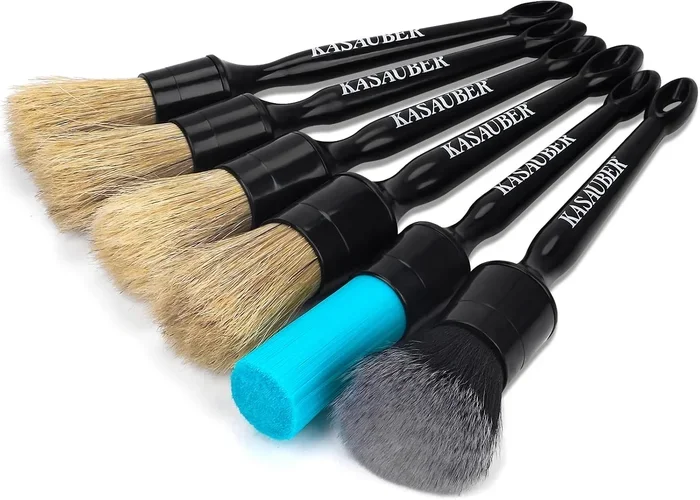
A car cleaning brush kit is a collection of brushes designed specifically for washing and detailing vehicles. Unlike a single sponge or generic scrub brush, a proper kit includes multiple brushes tailored for different parts of your car. Each brush serves a unique purpose, from cleaning the paint to scrubbing the wheels and inside the cabin.
Why You Need a Dedicated Brush Set
Using one brush for everything is a recipe for trouble. Your wheels carry brake dust and road grime, while your paint needs a gentle touch. A dedicated car wash brush set keeps dirt where it belongs and prevents cross-contamination. This simple change alone can protect your paint and keep your car looking its best for years.
Think about it this way. You would not use the same sponge to wash your car’s paint and scrub your dirty tires. A car cleaning brush kit gives each surface its own tool, which means safer, more effective cleaning every time.
What Is Typically in a Brush Kit?
Most quality car cleaning brush kits include several types of brushes. Here is what you can expect:
- Snow foam brush — for applying pre-wash foam
- Soft bristle wash brush — for gently cleaning the paint
- Wheel cleaning brush — for scrubbing brake dust off rims
- Tire brush — for cleaning tire sidewalls
- Interior detailing brush — for vents, seams, and dashboards
- Microfiber wash mitt — often included as a bonus
Some kits also come with a boar hair brush for delicate paint areas or a nylon brush for tougher grime. The best kits give you a complete toolkit so you never have to improvise with the wrong tool.
Quick Tips
- Always rinse your brushes before and after each use to remove trapped dirt.
- Store brushes upright and let them dry completely to prevent mold.
- Invest in a wash mitt alongside your brush kit for the best results.
Types of Detailing Brushes You Need
Not all detailing brushes are the same, and using the wrong one can cause damage. Understanding the different types helps you pick the right car cleaning brush kit for your needs. Let us break down the main categories.
Soft Bristle Brushes for Paint Protection
Your car’s paint is the most vulnerable surface, and it needs the gentlest touch. A soft bristle brush made from boar hair or premium microfiber is ideal for lifting dirt without scratching. These brushes have long, flexible bristles that glide over the surface and trap contaminants safely.
When shopping for a car cleaning brush kit, look for brushes labeled as “paint-safe” or “soft touch.” The best ones feel silky against your hand and produce a rich lather with car wash soap. Avoid any brush with stiff, scratchy bristles — those belong on concrete, not your car.
Wheel and Tire Brushes
Wheels take a beating on the road. Brake dust, road salt, and grime build up fast, and a regular wash brush simply cannot reach the tight spaces around spokes and lug nuts. A dedicated wheel cleaning brush has stiff yet flexible bristles designed to scrub away stubborn brake dust without damaging the finish.
For the tires themselves, a tire brush with thicker bristles works best. These brushes are built to handle the rougher texture of rubber and can scrub in sidewall lettering and deep grooves effectively. Many car cleaning brush kits include both a wheel brush and a tire brush as a matched pair.
Interior Detailing Brushes
Do you know how much dirt hides inside your car? Dust collects in air vents, crumbs get stuck in seat seams, and grime builds up on the dashboard. A set of interior detailing brushes features smaller, angled heads that reach into tight spaces where your hands cannot go.
These brushes are typically softer than exterior brushes because interior surfaces like plastic trim and leather need careful treatment. A good car cleaning brush kit will include at least two or three interior brushes of varying sizes for different areas of the cabin.
Specialty Brushes for Tough Spots
Beyond the basics, some car cleaning brush kits include specialty brushes for specific challenges. A grille brush has fine bristles for cleaning the front fascia without damaging delicate chrome or plastic. A trim restore brush features soft fibers designed to clean and polish rubber seals and chrome trim pieces.
These specialty tools are not always essential, but they can elevate your car care routine from basic to professional. If you detail your car regularly, having a few extra brushes on hand makes a noticeable difference.
Expert Insights
Professional detailers recommend owning at least five brushes: one for paint, one for wheels, one for tires, one for interior vents, and one for general crevices. This ensures each surface gets the right level of care and dramatically reduces the risk of scratches.
How to Choose the Right Car Cleaning Brush Kit
With so many options on the market, choosing the right car cleaning brush kit can feel overwhelming. But it does not have to be. A few simple criteria will help you find the perfect kit for your car and your budget.
Bristle Material Matters
The bristle material is the single most important factor in any car cleaning brush kit. Different materials serve different purposes, and understanding them helps you make smart choices.
Boar hair bristles are the gold standard for paint washing. They are naturally soft, hold soap well, and glide smoothly over the surface. Nylon bristles are tougher and better suited for wheels and tires where stubborn grime needs more scrubbing power. Microfiber bristles offer a gentle yet effective clean and are becoming increasingly popular in premium brush kits.
When comparing brushes, always check the bristle type before buying. A wash mitt with microfiber fibers works similarly to a boar hair brush and is a great alternative if you prefer that feel.
Handle Design and Grip
A brush is only as good as its handle. Look for car cleaning brush kits with ergonomic, non-slip grips. Long handles help you reach the roof and back window without stretching, and some brushes feature angled heads for better access to lower panels and wheel wells.
Cheap brushes often have flimsy handles that snap under pressure or slip in wet hands. Investing in a kit with sturdy, comfortable handles pays off every time you wash your car. The handle should feel balanced and secure in your grip, even when wet.
Size and Compatibility
Not every brush fits every car. If you drive a compact sedan, oversized wheel brushes may be too bulky to maneuver around tight spokes. Conversely, if you own a large truck or SUV, smaller brushes may not cover enough surface area efficiently.
Consider the size of your vehicle when choosing a car cleaning brush kit. Most quality kits are designed to fit a range of vehicle sizes, but it is worth checking brush dimensions if you have an unusually shaped vehicle or a compact car with tight wheel arches.
| Brush Type | Bristle Material | Best For | Handle Length |
|---|---|---|---|
| Paint Wash Brush | Boar Hair or Microfiber | Car body and paint | 14-18 inches |
| Wheel Brush | Nylon | Rims and spokes | 12-16 inches |
| Tire Brush | Stiff Nylon | Tire sidewalls | 14-18 inches |
| Interior Brush | Soft Synthetic | Vents and trim | 8-12 inches |
| Snow Foam Brush | Microfiber or Soft Nylon | Pre-wash foam application | 14-20 inches |
Step-by-Step Car Wash Routine with a Brush Kit
Now that you have the right car cleaning brush kit, let us put it to work. A proper wash routine protects your paint and delivers results that look professional. Follow these steps every time for the best outcome.
Pre-Rinse and Foam Application
Before you touch any brush to your car, always pre-rinse it thoroughly. Use a hose or a foam cannon to remove loose dirt, leaves, and debris. This step is critical because any remaining particles can act like sandpaper when a brush moves across the surface.
Next, apply a thick layer of car wash soap foam using a snow foam brush or foam cannon. Let the foam dwell for two to three minutes. This gives the soap time to break down grime, bugs, and bird droppings before you start scrubbing. The pre-wash foam does most of the heavy lifting, so your brushes do less work and your paint stays safer.
The Two-Bucket Method
The two-bucket method is the single most important technique in car washing. Fill one bucket with soapy water and another with clean rinse water. Place a grit guard at the bottom of each bucket to trap dirt below the surface.
Here is how it works. Dip your car wash brush into the soapy bucket, wash a section of the car, then rinse the brush in the clean water bucket. Squeeze out excess water and dip back into the soap. This simple process prevents you from dragging dirty water back across your paint, which is the leading cause of swirl marks and fine scratches.
Work from the top down. Start with the roof, then move to the hood, trunk, and finally the lower panels. Gravity pulls dirt downward, so cleaning from the top ensures you are always working with the cleanest areas first.
Drying and Final Touches
After washing, dry your car immediately with a clean microfiber towel. Letting the car air dry can leave water spots, especially if you have hard water. Use a soft, plush towel and pat — never rub — the surface dry.
Once dry, you can apply car wax or a ceramic coating for extra paint protection. A freshly washed car with a clean car cleaning brush kit is the perfect base for any protective product. The paint is free of contaminants and ready to absorb wax evenly.
Quick Tips
- Always wash your car in the shade to prevent soap from drying too quickly.
- Use a separate brush for the lower panels, which collect the most road grime.
- Rinse your brushes thoroughly after each use and hang them to dry.
- Consider a rinse-less wash product for quick touch-ups between full washes.
Common Mistakes to Avoid When Using Car Wash Brushes
Even with the best car cleaning brush kit, mistakes happen. Knowing what to avoid saves your paint and keeps your brushes in top condition. Here are the most common errors and how to fix them.
Using Dirty Brushes
This is the number one mistake people make. A brush caked with old dirt and grit acts like sandpaper on your paint. Always rinse your brushes thoroughly before and after every wash session. If a brush has been sitting dirty for days, give it a deep clean before using it again on your car.
Inspect your brushes regularly for trapped debris. Even tiny particles lodged in bristles can scratch your clear coat over time. A quick rinse after each use takes seconds and protects your finish.
Skipping the Pre-Rinse
Jumping straight into scrubbing without a pre-rinse is a fast track to swirl marks. Loose dirt and dust on the surface need to be washed away before any brush touches the paint. A thorough pre-rinse with a hose or pressure washer removes the majority of contaminants and makes your car cleaning brush kit far more effective.
Wrong Brush for the Wrong Surface
Using a stiff wheel brush on your car’s paint is a sure way to create scratches. Similarly, using a soft interior brush on heavy brake dust will not get the job done. Always match the brush to the surface. Paint gets soft brushes, wheels get stiff brushes, and interiors get medium brushes.
If you are unsure, err on the side of gentleness. A slightly softer brush with good technique will always outperform a stiff brush with aggressive scrubbing.
Common Mistakes Summary
- Never reuse a dirty brush without rinsing it first
- Do not skip the pre-rinse step — it protects your paint
- Avoid using the same brush on wheels and paint
- Do not let brushes dry with soap residue trapped in the bristles
- Never scrub aggressively — let the bristles and soap do the work
Maintaining Your Brush Kit for Long-Lasting Performance
A quality car cleaning brush kit is an investment, and like any investment, it needs proper care to last. Brushes that are well-maintained clean better, last longer, and protect your car more effectively.
Cleaning and Storage Tips
After every wash session, rinse each brush thoroughly under running water. Squeeze the bristles gently to release trapped dirt and soap. Shake off excess water and hang the brushes upside down to dry. Never store brushes bristle-side down, as this causes water to pool and bristles to bend out of shape.
Once a month, deep clean your brushes by soaking them in a bucket of warm water with a small amount of car wash soap. Gently agitate the bristles with your hand to release any embedded grime. Rinse well and let them air dry completely before storing.
Store your car cleaning brush kit in a cool, dry place away from direct sunlight. UV rays can degrade bristle material over time, and humidity can encourage mold growth. A simple brush bag or storage container keeps everything organized and protected.
When to Replace Your Brushes
Even with excellent care, brushes eventually wear out. Replace any brush that shows signs of fraying, bent bristles, or loose bristle tips. Frayed bristles lose their ability to clean gently and can scratch your paint instead of protecting it.
As a general rule, replace your wash brushes every six to twelve months depending on how frequently you wash your car. Wheel brushes and tire brushes tend to wear faster because of the harsh materials they scrub, so check those more often.
Expert Insights
Professional detailers recommend replacing wash mitts and soft paint brushes every three to six months for optimal paint safety. Wheel brushes can last longer but should still be inspected regularly for bristle damage.
Conclusion
A car cleaning brush kit is one of the simplest yet most impactful investments you can make for your vehicle. The right set of detailing brushes transforms your wash routine from a chore into a satisfying process that delivers real results. Your paint stays cleaner, your wheels shine brighter, and your interior looks freshly detailed — all without the risk of scratches and swirl marks.
Remember the key principles we covered. Choose brushes with the right bristle material for each surface. Follow the two-bucket method every time you wash. Maintain your brushes properly and replace them when they wear out. Avoid common mistakes like skipping the pre-rinse or using dirty brushes on your paint.
With the right car cleaning brush kit and a consistent routine, your car will look better than it has in years. You do not need to be a professional detailer to achieve flawless results — you just need the right tools and the right approach. Start building your kit today, and you will wonder how you ever washed your car without it.
Frequently Asked Questions
What is the best bristle material for a car cleaning brush kit?
Boar hair and microfiber are the best bristle materials for washing car paint. They are naturally soft, hold soap well, and lift dirt without scratching. For wheels and tires, nylon bristles work best because they are tougher and can handle stubborn grime.
How often should I replace the brushes in my car cleaning brush kit?
Replace soft paint brushes every three to six months with regular use. Wheel brushes and tire brushes can last six to twelve months. Inspect your brushes regularly, and replace any that show fraying, bent bristles, or loose tips to protect your paint.
Can I use a car cleaning brush kit on a ceramic coated car?
Yes, but you need to be extra gentle. Ceramic coatings create a smooth, protected surface, and abrasive brushes can damage the coating over time. Use only soft bristle brushes and follow the two-bucket method to preserve the coating’s longevity.
What is the two-bucket method and why is it important?
The two-bucket method involves using one bucket of soapy water and one bucket of clean rinse water. A grit guard sits at the bottom of each bucket to trap dirt. This method prevents you from dragging dirty water back across your car’s paint, which is the leading cause of swirl marks and fine scratches.
How do I clean my car wash brushes after use?
Rinse each brush thoroughly under running water after every use. Squeeze the bristles to release trapped dirt and soap. Hang brushes upside down to dry, and deep clean them monthly by soaking in warm soapy water. Store brushes in a cool, dry place away from direct sunlight.
Is a foam cannon necessary when using a car cleaning brush kit?
A foam cannon is not necessary, but it is highly recommended. It applies a thick layer of pre-wash foam that loosens dirt and grime before you touch any brush to the paint. This reduces the workload on your brushes and provides an extra layer of paint protection during the wash.