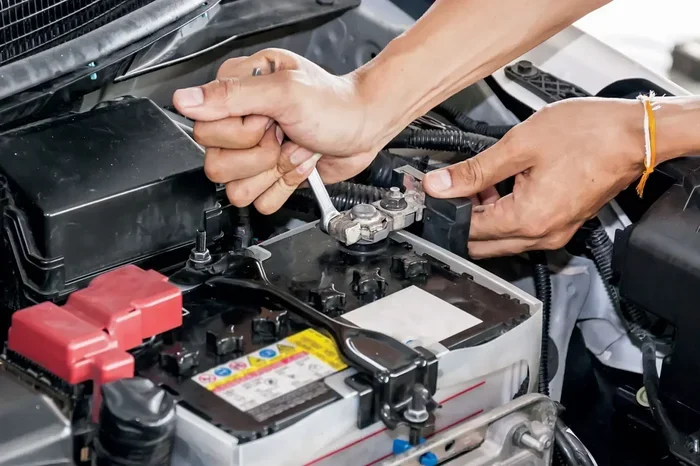
How Long to Disconnect Battery for Check Engine Reset
Disconnecting your car battery to reset the check engine light typically takes about 15 to 30 minutes of downtime. You need to leave the battery disconnected for at least 15 minutes to clear the ECU memory. This simple fix works for many common dashboard warnings, but it is not a permanent solution if the underlying problem remains.
There is nothing quite like seeing that little orange engine light pop up on your dashboard. It can make anyone feel a knot in their stomach. The good news is that you can often fix this annoying warning yourself at home. One of the simplest and most affordable methods is to disconnect your car battery for a set amount of time. But how long do you actually need to wait? In this guide, we walk you through everything you need to know about resetting your check engine light by disconnecting the battery.
Whether you are a complete beginner or a seasoned DIY mechanic, this article will give you clear, practical steps. We cover the exact timing, safety precautions, what to expect after the reset, and when you should skip the battery trick altogether. Let us dive in and take the mystery out of that glowing dashboard warning.
Key Takeaways
- 15 to 30 minutes is the standard time: Leaving the battery disconnected for at least 15 minutes allows the ECU to fully reset and clear stored codes.
- Safety comes first: Always wear gloves, work in a ventilated area, and follow proper terminal removal order to avoid electrical damage.
- Resetting does not fix the root cause: The check engine light may return if the actual problem is not addressed. Use an OBD scanner to diagnose the real issue.
- Some vehicles need a specific reset procedure: Certain car models require additional steps beyond just disconnecting the battery.
- Driving after reset matters: You may need to drive 50 to 100 miles for the system to relearn and confirm everything is working properly.
📑 Table of Contents
- Why Does the Check Engine Light Come On?
- How Long to Disconnect Battery for Check Engine Reset
- Step-by-Step Guide to Disconnecting Your Battery
- What Happens After You Reset the Check Engine Light
- When You Should NOT Disconnect the Battery
- Alternatives to Disconnecting the Battery
- Common Mistakes People Make When Resetting the Check Engine Light
- Expert Tips for a Successful Check Engine Reset
- How to Prevent Check Engine Light Issues
- Conclusion
Why Does the Check Engine Light Come On?
Before we talk about reset timing, it helps to understand why the light turns on in the first place. Your car has a built-in computer called the Engine Control Unit, or ECU. This computer constantly monitors sensors throughout the vehicle. When something is off, it stores a diagnostic trouble code and triggers the check engine light.
The light can come on for hundreds of different reasons. Some are minor. Others are serious. Here are some of the most common causes:
- Loose or faulty gas cap: This is the number one reason. A loose cap lets fuel vapors escape, which triggers the system.
- Oxygen sensor failure: This sensor measures unburned oxygen in your exhaust. When it fails, fuel efficiency drops.
- Catalytic converter issues: A failing converter can cause poor performance and failed emissions tests.
- Spark plug or ignition coil problems: Worn spark plugs cause misfires that the ECU detects immediately.
- Mass airflow sensor malfunction: This sensor measures the air entering the engine. Dirt or damage can throw it off.
- EVAP system leak: The evaporative emission control system prevents fuel vapors from escaping into the atmosphere.
Knowing the cause helps you decide whether a simple battery disconnect will work or if you need deeper car diagnostics. For example, if you recently refueled and the light appeared, a loose gas cap might be the culprit. If the light is flashing, however, you should pull over and seek help immediately.
How Long to Disconnect Battery for Check Engine Reset
This is the big question. The short answer is that most experts recommend leaving the battery disconnected for 15 to 30 minutes. This gives the ECU enough time to fully drain its short-term memory and reset all stored codes. However, the exact timing can vary depending on your vehicle model and the type of issue stored.
The Minimum Time: 15 Minutes
Fifteen minutes is the standard minimum. After you disconnect the terminal, the ECU begins clearing its temporary data. Fifteen minutes is usually enough for the system to forget stored error codes and reset the dashboard warning. For most routine issues like a loose gas cap or a temporary sensor glitch, 15 minutes works perfectly.
Here is a simple timeline to follow:
- Turn off the engine and remove the key from the ignition.
- Wait 5 minutes to let any residual electrical charge dissipate.
- Disconnect the negative terminal first using a wrench.
- Leave it disconnected for 15 minutes. You can use this time to grab a coffee or stretch your legs.
- Reconnect the terminal and start the engine.
The Full Reset: 30 Minutes
For stubborn codes or more complex issues, 30 minutes is better. Some vehicles store deeper memories that take longer to clear. If you have tried the 15-minute method and the light comes right back on, try the full 30-minute approach. This gives the ECU enough time to fully reset its long-term fuel trims and adaptation values.
Some older vehicles may even need up to an hour. It really depends on the make, model, and year of your car. If you are unsure, going the extra 15 minutes never hurts. There is no harm in waiting longer.
Does the Battery Condition Matter?
Yes, it does. If your battery is old or weak, disconnecting it for too long can cause other problems. The ECU and other modules may need to relearn basic settings, which can affect idle quality and shift points for a short time. If your battery is already struggling, a full disconnect might leave you needing a jump start.
Before you disconnect anything, check your battery condition. A healthy battery handles the reset process with ease. A weak one might give you trouble afterward. If your battery is more than three to four years old, consider having it tested first.
Step-by-Step Guide to Disconnecting Your Battery
Now that you know the timing, let us walk through the actual process. This is straightforward, but you should follow the steps carefully to avoid damaging your vehicle.
What You Will Need
- A basic wrench or socket set (usually 10mm)
- Safety gloves and goggles
- A memory saver device (optional but helpful)
- Your vehicle owner manual
A memory saver is a small device that plugs into the OBD port and keeps power to your ECU and radio settings while you disconnect the battery. It is not required, but it saves you from resetting your radio presets and clock.
Step 1: Park and Turn Off
Park your car on a flat surface and turn the ignition off. Make sure all accessories are off too. This includes the radio, headlights, and air conditioning. You want zero electrical draw while you work.
Step 2: Locate the Battery
Open the hood and find the battery. Most cars have the battery in the engine bay, but some vehicles keep it in the trunk or under a seat. Check your owner manual if you are not sure. Once you find it, identify the negative terminal. It will have a minus sign (-) and usually a black cable.
Step 3: Disconnect the Negative Terminal
Always disconnect the negative terminal first. This prevents short circuits. Use your wrench to loosen the nut on the negative terminal clamp. Once loose, carefully lift the cable off the terminal. Tuck it away so it cannot accidentally touch the battery post.
Pro tip: If you ever need to reconnect, always attach the positive terminal first and the negative terminal last. This is the safest order.
Step 4: Wait the Required Time
Set a timer for 15 to 30 minutes. Do not rush this step. The ECU needs time to fully discharge and clear its memory. During this time, you can inspect the battery terminals for corrosion. Clean any white or green buildup with a wire brush if needed.
Step 5: Reconnect and Start
After the waiting period, reconnect the negative terminal. Tighten the nut firmly but do not over-tighten. Start the engine and let it idle for a few minutes. The check engine light should be off now. Drive your car for at least 50 to 100 miles to allow the system to relearn and confirm there are no ongoing issues.
What Happens After You Reset the Check Engine Light
The reset process does not happen instantly in every case. Here is what you can expect after you reconnect the battery.
Immediate Effects
Right after you reconnect the battery, your dashboard might behave a little strangely. The check engine light should be off, but some other lights may come on briefly. This is normal. Your car is running through a self-check sequence. The radio may reset, the power windows might need reprogramming, and the clock will likely need to be set again.
Your car might also idle a bit rough for the first few minutes. This happens because the ECU is relearning your driving patterns. It is temporary and should smooth out after a few miles of driving.
The Drive Cycle
After a battery disconnect reset, your car needs to complete what is called a drive cycle. This is a series of driving conditions that allow the ECU to test all systems and confirm everything is working. You typically need to drive 50 to 100 miles over several days for the system to fully relearn.
During this period, the check engine light should stay off if the original problem has been resolved. If it comes back, the ECU has detected the same issue again and stored the code once more. This means you have a real problem that needs fixing.
When the Light Comes Back On
If the check engine light returns after your reset, do not ignore it. The light coming back means the problem is still there. A battery disconnect only clears the code. It does not repair the underlying issue. At this point, you should use an OBD scanner to read the code and identify the root cause.
Sometimes people wonder if they can call 911 for help with car lockout situations or other emergencies. Similarly, if your check engine light is flashing and your car is running poorly, do not hesitate to pull over and call for roadside assistance. A flashing check engine light often signals a serious problem like an engine misfire that can damage your catalytic converter.
When You Should NOT Disconnect the Battery
While disconnecting the battery works for many situations, it is not always the right move. Here are times when you should skip this method and seek professional help instead.
Flashing Check Engine Light
A flashing check engine light is different from a steady one. A steady light usually indicates a minor issue. A flashing light signals a severe problem, often a misfire that can damage your catalytic converter. If your light is flashing, do not just disconnect the battery. Get your car inspected right away.
Multiple Warning Lights Are On
If you see several warning lights at once, including the check engine light, oil pressure light, and temperature light, your vehicle has multiple issues. Disconnecting the battery will not fix any of them. You need a proper diagnosis.
Your Car Is Running Poorly
If your car is stalling, hesitating, or making unusual noises along with the check engine light, the problem is likely mechanical. A battery reset will not address engine misfires, fuel system problems, or internal damage. You need a mechanic to inspect the vehicle.
Emissions Testing Is Coming Up
If you need to pass an emissions test soon, a battery reset might temporarily clear the light, but it will not fix the emissions problem. Your car will likely fail the test again once the ECU detects the issue during the drive cycle. Fix the real problem first.
Alternatives to Disconnecting the Battery
Battery disconnection is not the only way to reset your check engine light. Here are a few alternatives you might consider.
Using an OBD Scanner
An OBD scanner is the best tool for the job. You plug it into the OBD port under your dashboard, and it reads the stored codes. Many scanners let you clear the codes directly. This method is faster, more precise, and gives you the added benefit of knowing exactly what triggered the light.
You can buy a basic OBD scanner for under $30. Some auto parts stores will read and clear the codes for free. This is a great option if you do not want to disconnect your battery.
Using a Code Reader App
Modern Bluetooth OBD adapters pair with smartphone apps. You plug the adapter into the OBD port, connect to your phone, and read or clear codes through the app. This method is convenient and gives you access to detailed information about what is going on with your vehicle.
Turning the Ignition On and Off
Some people try a method where they turn the ignition key to the on position three times and then off. This can sometimes reset the light on certain vehicle models. However, this method is not reliable for all cars and does not provide any diagnostic information.
| Method | Time Required | Effectiveness | Provides Diagnostic Info? |
|---|---|---|---|
| Battery Disconnect | 15-30 minutes | High for basic resets | No |
| OBD Scanner | 5-10 minutes | Very High | Yes |
| Code Reader App | 5-10 minutes | Very High | Yes |
| Ignition Cycling | 2-3 minutes | Low to Medium | No |
Common Mistakes People Make When Resetting the Check Engine Light
Even simple tasks can go wrong if you are not careful. Here are some common mistakes to avoid.
- Disconnecting the positive terminal first: This can cause short circuits and damage your electrical system. Always disconnect the negative terminal first.
- Not waiting long enough: Rushing the process means the ECU does not fully reset. Stick to the 15 to 30 minute minimum.
- Ignoring the root cause: Clearing the light without fixing the problem just delays the inevitable. The light will come back, and the issue may get worse.
- Using the wrong tools: Do not use pliers on battery terminals. Use the correct wrench size to avoid rounding the nuts.
- Forgetting to reset the radio and clock: After a battery disconnect, these settings will be lost. Have the codes ready before you start.
Some people also ask whether ignoring car problems can lead to bigger consequences. For example, failing to address an accident properly could result in serious financial and legal trouble. Similarly, ignoring a check engine light can turn a small repair into a big one. If you have ever wondered about the broader implications of car-related issues, it is worth understanding how neglecting maintenance can compound over time.
Expert Tips for a Successful Check Engine Reset
Here are some insider tips from experienced mechanics to help you get the best results from your battery disconnect reset.
Tip 1: Clean the battery terminals before you reconnect. Corrosion on the terminals can cause poor electrical connections, which can trigger the check engine light again. A simple wire brush and some baking soda paste will do the trick.
Tip 2: Drive gently after the reset. Avoid heavy acceleration and high RPMs for the first 50 miles. Give your ECU time to relearn your driving style and adjust fuel trims accordingly.
Tip 3: Keep your OBD scanner handy. Even if you reset the light, having a scanner lets you check if the code returns. It is a great diagnostic tool to own for any car owner.
Tip 4: Do not disconnect the battery too often. Frequent disconnects can harm your ECU and other electronic modules. Modern cars rely heavily on their computers. Too many resets can cause more problems than they solve.
Tip 5: Address the real problem first. If you know what caused the check engine light, fix it before you reset. Otherwise, you are just masking the symptom, not the disease.
How to Prevent Check Engine Light Issues
Prevention is always better than cure. Here are some simple habits that can help keep your check engine light off.
- Check your gas cap regularly: Make sure it clicks tightly after every fill-up. Replace it if it looks worn or damaged.
- Keep up with scheduled maintenance: Regular oil changes, spark plug replacements, and air filter changes go a long way.
- Use quality fuel: Cheap or contaminated fuel can trigger emissions-related codes.
- Address small issues early: A minor sensor problem today can become a major repair tomorrow if ignored.
- Monitor your dashboard: Do not ignore warning lights, even if they seem minor. Early detection saves money.
Taking care of your vehicle also means being prepared for unexpected situations. Whether it is dealing with a flat tire, a dead key fob battery, or a locked ignition, having basic knowledge and the right tools makes all the difference. The same goes for understanding your car’s warning systems. The more you know, the more confident you become as a car owner.
Conclusion
Resetting your check engine light by disconnecting the battery is a simple, effective method that most car owners can do at home. The key is timing: leave the battery disconnected for 15 to 30 minutes to give the ECU enough time to clear stored codes and reset the system. Always follow safety precautions, and remember that this method only clears the warning. It does not fix the underlying problem.
If the light comes back after the reset, use an OBD scanner to diagnose the real issue. And if you are ever in doubt about your car’s health, do not hesitate to consult a professional mechanic. Taking care of your vehicle with regular maintenance and prompt repairs keeps you safe on the road and saves you money in the long run.
The next time that check engine light appears, you will know exactly what to do. Grab your wrench, set a timer, and take control of the situation with confidence.
Frequently Asked Questions
Can I disconnect my battery for too long?
Leaving the battery disconnected for a short period beyond 30 minutes will not damage your vehicle. However, disconnecting it too frequently can reset learned settings and potentially cause issues with your ECU. Stick to the recommended 15 to 30 minutes for the best results.
Will disconnecting the battery erase my radio presets?
Yes, in most vehicles, disconnecting the battery will reset your radio presets, clock, and other personalized settings. Using a memory saver device can prevent this from happening. Alternatively, you can note down your radio codes before starting the process.
What if the check engine light does not go off after the reset?
If the light stays on after a proper reset, there may be a persistent issue that the battery disconnect did not clear. This could mean a deeper problem that requires professional diagnosis with an OBD scanner. Do not attempt the reset multiple times in a row without addressing the root cause.
Do I need any special tools to disconnect the battery?
You only need a basic wrench or socket, usually 10mm, to loosen the terminal clamp. Safety gloves and goggles are also recommended. No special tools are required for this simple maintenance task.
Is it safe to drive after resetting the check engine light?
It is generally safe to drive after a reset if the light was steady and not flashing. However, if the original problem has not been fixed, the light may return while you are driving. Always address the underlying issue before relying on a reset as a permanent solution.
How often can I reset my check engine light by disconnecting the battery?
You should only reset the check engine light when you have addressed the root cause. Frequent battery disconnects can interfere with your vehicle’s computer adaptations and potentially cause new issues. Treat the reset as a one-time solution after fixing the problem, not a regular maintenance habit.