How Long Does A 2.4L 4 Cylinder Engine Last
A well-maintained 2.4L 4 cylinder engine can last between 200,000 and 300,000 miles or more. The key to reaching that mileage lies in regular oil changes, timely repairs, and smart driving habits. This guide breaks down everything you need to know about maximizing your engine’s life.
Have you ever wondered how many miles your 2.4L 4 cylinder engine can really handle? Maybe you just bought a car with one of these engines, or perhaps you’re trying to decide whether to keep repairing an older vehicle. Either way, you’re in the right place.
The truth is, a 2.4 liter 4 cylinder engine has a pretty impressive lifespan when treated right. We’re talking about hundreds of thousands of miles. But “treated right” is the key phrase here. Just like any engine, this one needs consistent care and attention. In this article, we’ll walk through everything you need to know about how long your engine can last, what affects its durability, and how to keep it running strong for years to come.
We’ll cover the numbers, the maintenance schedule, the common problems, and a few expert tips you won’t find in the owner’s manual. Whether you’re a car enthusiast or just someone who wants to get the most out of their vehicle, this guide has something for you.
Key Takeaways
- Average Lifespan: A 2.4L 4 cylinder engine typically lasts 200,000 to 300,000 miles with proper care.
- Maintenance Matters: Regular oil changes and fluid checks are the single biggest factor in engine longevity.
- Driving Habits Count: Aggressive driving and short trips can shorten your engine’s life significantly.
- Common Issues: Timing chain wear, oil leaks, and overheating are the top threats to 2.4L engines.
- Repair vs. Replace: Most 2.4L engines are worth rebuilding rather than replacing when major issues arise.
📑 Table of Contents
- Understanding the 2.4L 4 Cylinder Engine
- How Long Does a 2.4L 4 Cylinder Engine Last?
- Factors That Affect Engine Lifespan
- Common Problems With 2.4L 4 Cylinder Engines
- How to Maximize Your Engine’s Lifespan
- When Should You Consider an Engine Rebuild?
- How the 2.4L 4 Cylinder Compares to Other Engine Types
- Expert Tips from Mechanics
- Conclusion
Understanding the 2.4L 4 Cylinder Engine
The 2.4L 4 cylinder engine is one of the most common engines found in modern cars. Manufacturers like Toyota, Honda, Chrysler, and many others have used variations of this engine for decades. Its popularity comes from a great balance of power, efficiency, and reliability.
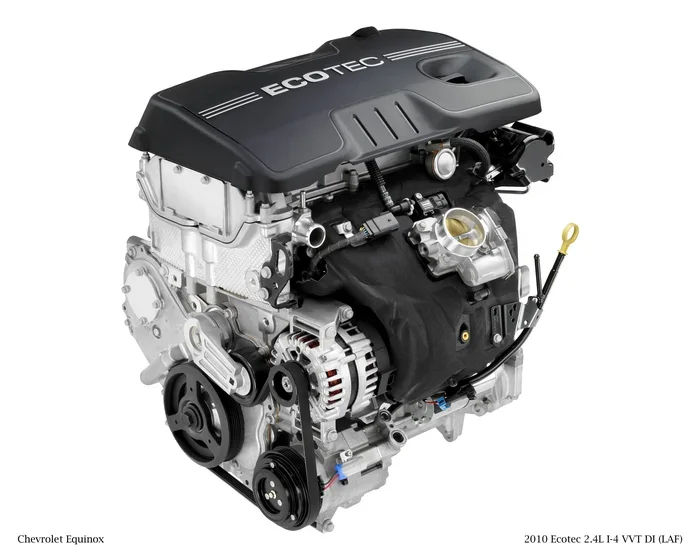
Let’s break down what “2.4L 4 cylinder” actually means. The “2.4L” refers to the engine’s displacement, which is 2.4 liters. This is the total volume of all the cylinders combined. The “4 cylinder” part means there are four pistons moving up and down inside the engine block. Each piston fires in sequence to create the power that turns your wheels.
Why the 2.4L 4 Cylinder Is So Popular
Car makers love this engine configuration for several reasons. First, it’s compact enough to fit in most sedan and SUV platforms. Second, it delivers a good amount of power without guzzling fuel. Third, the design is simple enough to maintain but refined enough to be durable.
You’ll find this engine in popular models like the Toyota Camry, Honda Accord, Chrysler 200, and many others. These vehicles have proven track records, and the engine is a big part of why they last so long.
Compared to larger engines like V6 or V8 configurations, the 2.4L 4 cylinder has fewer moving parts. Fewer parts generally means fewer things that can go wrong. This is one reason why 4 cylinder reliability has a strong reputation among car owners and mechanics alike.
How Long Does a 2.4L 4 Cylinder Engine Last?
Here’s the number most people want to know. On average, a well-maintained 2.4L 4 cylinder engine can last between 200,000 and 300,000 miles. Some engines even push past 300,000 miles with excellent care and favorable driving conditions.
But that’s the best-case scenario. The real-world number depends on a lot of factors we’ll cover below. Think of the 200,000 to 300,000 mile range as the upper ceiling. Most engines will fall somewhere in the middle of that range.
Mileage Expectations by Driving Conditions
Not all miles are created equal. How you drive and where you drive play a huge role in your engine’s lifespan.
- Highway Driving: Engines that spend most of their time on the highway tend to last longer. The consistent speed and RPM range reduce stress on internal components.
- City Driving: Stop-and-go traffic is harder on an engine. Frequent idling, low-speed operation, and constant braking increase wear on parts like the crankshaft and piston rings.
- Mixed Driving: A combination of city and highway miles usually produces the most balanced engine life.
- Short Trips: Very short trips under 5 miles can actually be harmful because the engine doesn’t reach full operating temperature. This leads to moisture buildup and increased wear.
If you’re curious about how other engine types compare in terms of longevity, you might find our article on how long hybrid cars last interesting. Hybrid engines have different wear patterns since they rely on both electric motors and combustion power.
Factors That Affect Engine Lifespan
Several factors determine how long your engine will actually last. Some you can control, and others are simply part of the deal. Let’s go through the most important ones.
1. Maintenance Schedule
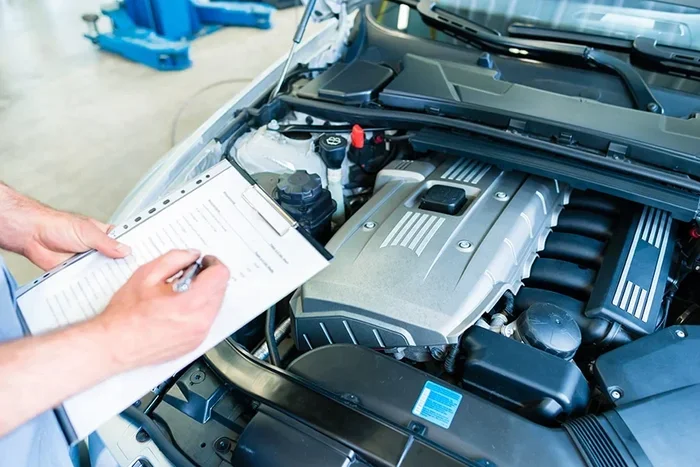
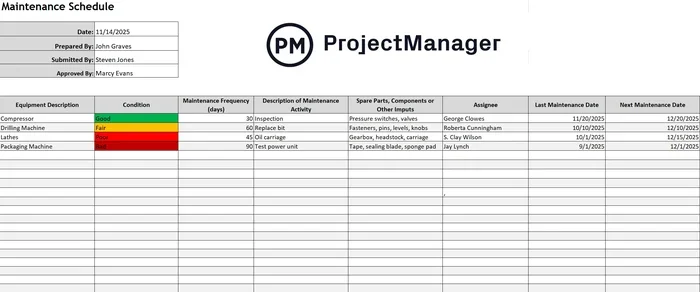
This is the big one. Following your manufacturer’s maintenance schedule is the single most important thing you can do. The maintenance schedule includes oil changes, fluid replacements, filter changes, and inspection intervals.
Here’s a quick look at the essential maintenance tasks for a 2.4L engine:
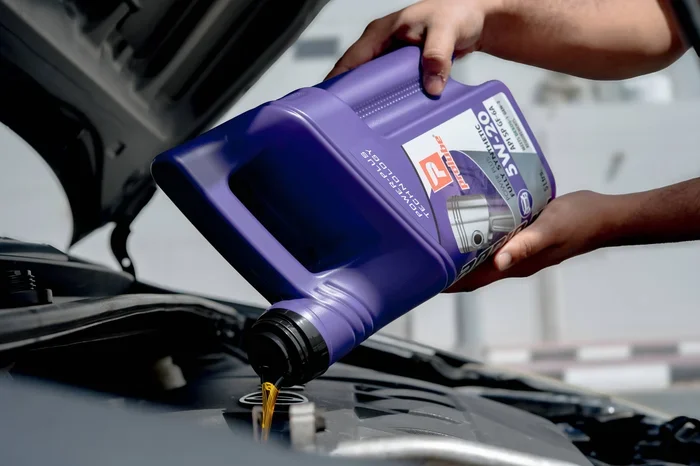
- Oil Changes: Every 5,000 to 7,500 miles for conventional oil, or every 7,500 to 10,000 miles for synthetic oil.
- Coolant Flush: Every 30,000 to 50,000 miles.
- Transmission Fluid: Every 60,000 to 100,000 miles.
- Spark Plugs: Every 30,000 to 60,000 miles depending on the type.
- Air Filter: Every 15,000 to 30,000 miles.
Skipping oil changes is the fastest way to shorten your engine’s life. Fresh oil lubricates the moving parts inside the engine, reduces friction, and carries away heat and debris. Without it, metal-on-metal contact causes damage that accumulates quickly.
2. Driving Habits
How you drive matters more than you might think. Aggressive acceleration, hard braking, and redlining the engine all put extra stress on internal components. Over time, this stress adds up and leads to premature wear.
Smooth, steady driving is much easier on your engine. Accelerating gently and allowing the engine to warm up before pushing it hard can add years to your engine’s life. Think of it this way: your engine prefers a calm, predictable driving style just like you prefer a smooth ride.
3. Climate and Environment
Where you live and drive matters too. Extreme heat, extreme cold, and dusty environments all take a toll on engines. In hot climates, the cooling system works harder to maintain safe temperatures. In cold climates, thick oil doesn’t flow as well during startup, which increases wear during those critical first few seconds of operation.
Dusty or off-road conditions can introduce contaminants into the engine through the air intake. This is why regularly checking and replacing your air filter is so important.
4. Quality of Fuel and Fluids
Using the recommended grade of fuel and quality engine oil makes a difference. Cheap fuel can leave carbon deposits in the combustion chambers. Low-quality oil may not provide adequate lubrication at high temperatures. Stick with the manufacturer’s recommendations and choose reputable brands.
Common Problems With 2.4L 4 Cylinder Engines
No engine is perfect, and the 2.4L 4 cylinder is no exception. While these engines are generally reliable, they do have some known issues that owners should watch for.
Timing Chain Wear
The timing chain is one of the most critical components in your engine. It synchronizes the rotation of the crankshaft and camshaft so that the valves open and close at the right time. Over time, the timing chain can stretch and wear.
Signs of timing chain wear include a rattling noise when the engine starts, rough idling, and the check engine light coming on. If a timing chain breaks completely, it can cause catastrophic engine damage. The good news is that timing chains are designed to last a long time, and their lifespan depends heavily on maintenance and driving conditions.
If you want to learn more about how long timing chains typically last, check out our detailed guide on whether a timing chain can last 300,000 miles.
Oil Consumption Issues
Some 2.4L engines are known to consume more oil than expected as they age. This is often caused by worn piston rings or valve seals. If you notice you need to add oil between changes, it’s worth getting checked out before it becomes a bigger problem.
Overheating
Overheating is one of the fastest ways to destroy an engine. The 2.4L 4 cylinder relies on a properly functioning cooling system to maintain safe operating temperatures. Common causes of overheating include a failing thermostat, low coolant levels, a broken water pump, or a clogged radiator.
Always keep an eye on your temperature gauge. If it starts climbing into the red zone, pull over safely and let the engine cool down before continuing.
Sludge Buildup
Engine sludge is a thick, dark substance that forms when oil breaks down and mixes with contaminants. It can clog oil passages and starve critical components of lubrication. Regular oil changes with quality oil are the best defense against sludge buildup.
How to Maximize Your Engine’s Lifespan
Now that you know the common problems, let’s talk about what you can do to keep your engine running strong for as long as possible. These tips are simple but effective.
Follow the Maintenance Schedule
We’ve mentioned this already, but it bears repeating. Your owner’s manual has a detailed maintenance schedule. Follow it to the letter. Don’t skip oil changes, don’t ignore warning lights, and don’t postpone recommended services.
If you’re unsure about what maintenance your specific vehicle needs, a trusted mechanic can help you create a personalized schedule based on your driving habits and conditions.
Warm Up the Engine Properly
In cold weather, give your engine a minute or two to warm up before driving. This allows the oil to circulate and reach all the moving parts. Modern engines don’t need a long warm-up, but a brief pause makes a real difference, especially in winter.
Address Issues Early
Small problems become big problems fast when it comes to engines. A minor oil leak today can become a major engine seizure tomorrow. A slightly rough idle could indicate a timing issue that will get worse. Don’t ignore warning signs. Get your car checked out as soon as something seems off.
Use Quality Parts and Fluids
When it’s time for repairs or replacements, go with quality parts. Cheap aftermarket parts might save you a few dollars upfront, but they often don’t last as long and can cause additional problems. The same goes for engine fluids. Use the grade of oil, coolant, and transmission fluid that your manufacturer recommends.
Drive Smart
Smooth driving isn’t just about comfort. It’s about reducing wear on your engine and transmission. Avoid sudden acceleration, don’t ride the brakes, and give yourself plenty of time to stop gradually. These habits add up over thousands of miles.
Monitor Your Fluids
Get in the habit of checking your engine oil, coolant, and transmission fluid levels regularly. A quick check once a month can catch low levels before they cause damage. Keep a bottle of the right oil in your trunk for top-ups between changes.
When Should You Consider an Engine Rebuild?
At some point, every engine reaches a stage where major repairs are needed. The question is whether those repairs make financial sense. An engine rebuild involves disassembling the engine, inspecting all components, replacing worn parts, and reassembling it to like-new condition.
Here are some signs that a rebuild might be on the horizon:
- Excessive Oil Consumption: You’re adding a quart of oil every 500 miles or less.
- Blue or White Exhaust Smoke: This often indicates oil or coolant burning inside the combustion chambers.
- Loss of Power: The engine feels weak, struggles to accelerate, or won’t reach the RPMs it used to.
- Knocking or Tapping Sounds: These noises often point to worn bearings or internal component damage.
- Frequent Overheating: If your engine keeps overheating despite a working cooling system, internal damage may have already occurred.
A rebuild typically costs between $2,500 and $4,500 for a 2.4L 4 cylinder engine. Compare that to the cost of a replacement engine, which can run anywhere from $4,000 to $8,000 installed. In most cases, a rebuild is the more economical choice.
However, the decision also depends on the overall condition of the vehicle. If the car has other major issues beyond the engine, a rebuild might not be worth the investment. In those cases, you might want to consider other options.
For those wondering about the financial side of car ownership, you might be interested in our article on whether an LLC can write off a car purchase, which covers some useful tax-related aspects of vehicle ownership.
How the 2.4L 4 Cylinder Compares to Other Engine Types
To put the 2.4L 4 cylinder’s lifespan in perspective, let’s compare it to a few other common engine configurations.
| Engine Type | Average Lifespan (Miles) | Maintenance Cost | Complexity |
|---|---|---|---|
| 2.4L 4 Cylinder | 200,000 – 300,000 | Moderate | Low to Moderate |
| 3.5L V6 | 200,000 – 250,000 | Moderate to High | Moderate |
| 5.0L V8 | 200,000 – 300,000 | High | High |
| 1.5L Turbo 4 Cylinder | 150,000 – 250,000 | Moderate to High | Moderate |
As you can see, the 2.4L 4 cylinder holds its own pretty well in the comparison. It offers a long lifespan with moderate maintenance costs and relatively low complexity. That’s a winning combination for most drivers.
The 2.4L engine also has an advantage in terms of parts availability. Because it’s so widely used, replacement parts are easy to find and reasonably priced. This makes repairs more affordable compared to engines that are only found in a few models.
Some people also ask about 4 cylinder petrol cars in different markets, particularly in India where smaller displacement engines dominate. The basic principles of engine longevity remain the same regardless of market, though local driving conditions and fuel quality can influence outcomes.
Expert Tips from Mechanics
We asked a few experienced mechanics what they wish every 2.4L engine owner knew. Here’s what they had to say:
- “Don’t ignore the check engine light.” Even if the car seems to run fine, that light is trying to tell you something. Get it diagnosed early.
- “Stick with synthetic oil.” The extra cost is worth it for the better protection and longer intervals between changes.
- “Listen to your engine.” Unusual sounds are your first warning system. A knock, a rattle, or a hiss can all point to problems that are much easier to fix when caught early.
- “Don’t skip the coolant flush.” Old coolant becomes acidic and can corrode internal engine components. A coolant flush is cheap insurance.
- “Find a good mechanic and stick with them.” A mechanic who knows your vehicle’s history can spot problems before they become expensive repairs.
Conclusion
The 2.4L 4 cylinder engine is a dependable, long-lasting powerplant that can serve you well for 200,000 miles or more. The secret to reaching that mileage is straightforward: stay on top of maintenance, drive smart, and address issues before they spiral out of control.
Regular oil changes, quality fluids, and attentive driving habits go a long way. And when problems do arise, catching them early saves you money and prevents further damage. Your engine is a complex machine, but keeping it healthy doesn’t have to be complicated.
With the right care, your 2.4L 4 cylinder engine will keep running strong for years to come. Follow the tips in this guide, and you’ll be well on your way to maximizing every mile.
Frequently Asked Questions
How many miles can a 2.4L 4 cylinder engine last?
With proper maintenance, a 2.4L 4 cylinder engine can last between 200,000 and 300,000 miles. Some well-cared-for engines even exceed 300,000 miles. Regular oil changes, quality fuel, and gentle driving habits are the biggest contributors to reaching that mileage.
What is the most common problem with a 2.4L 4 cylinder engine?
The most common issues include timing chain wear, oil consumption, and overheating. Timing chain stretch can cause rattling noises and rough idling. Oil consumption problems often stem from worn piston rings or valve seals. Overheating usually points to cooling system failures like a faulty thermostat or water pump.
Is a 2.4L 4 cylinder engine good for long-distance driving?
Yes, the 2.4L 4 cylinder engine is well-suited for long-distance driving. Its design is balanced for highway cruising, and the consistent RPM range reduces stress on internal components. Just make sure to keep up with oil changes and fluid checks, especially on longer trips.
How often should I change the oil in my 2.4L engine?
Most manufacturers recommend oil changes every 5,000 to 7,500 miles with conventional oil, or every 7,500 to 10,000 miles with synthetic oil. Always refer to your owner’s manual for the specific recommendation for your vehicle model and year.
Can a 2.4L 4 cylinder engine be rebuilt?
Yes, a 2.4L 4 cylinder engine can be rebuilt. A rebuild typically costs between $2,500 and $4,500 and can restore the engine to near-new condition. This is usually more cost-effective than replacing the entire engine, which can cost $4,000 to $8,000 installed.
What causes a 2.4L engine to overheat?
Common causes of overheating include a failing thermostat, low coolant levels, a broken water pump, a clogged radiator, or a malfunctioning cooling fan. If your engine starts overheating, pull over safely and let it cool down before checking the coolant level or seeking professional help.