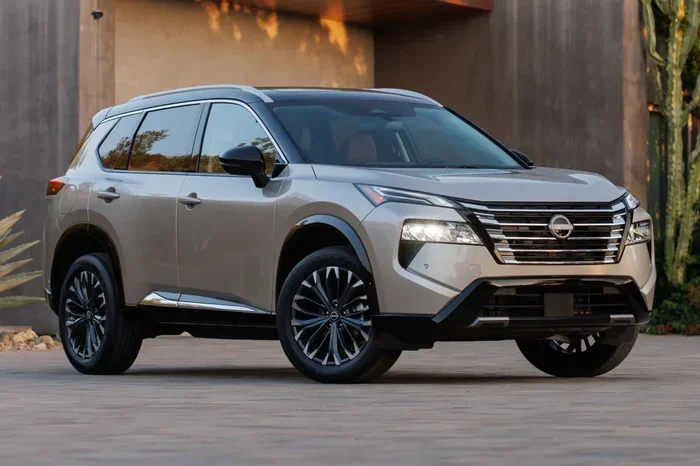
How Many Miles Per Gallon Does the Nissan Rogue Get
The Nissan Rogue delivers an estimated 32 mpg combined, making it one of the most fuel-efficient compact SUVs on the market. Whether you drive the gas or hybrid version, this guide breaks down the Nissan Rogue MPG ratings for city, highway, and combined driving, so you can plan your budget and trips with confidence.
The Nissan Rogue is one of the best-selling compact SUVs in America, and for good reason. It offers a comfortable ride, plenty of cargo space, and solid fuel economy. But if you are shopping for a new SUV, one of the first questions you probably have is how many miles per gallon does the Nissan Rogue get. The answer depends on the trim level, drivetrain, and driving conditions. In this article, we break down the fuel economy numbers for every Nissan Rogue variant so you can make a smart buying decision.
Fuel economy is more than just a number on a sticker. It affects your monthly budget, your trips to the gas station, and even your environmental footprint. Understanding miles per gallon helps you compare vehicles and choose the right one for your lifestyle. The Nissan Rogue sits in a competitive segment, so knowing its fuel efficiency gives you an edge when negotiating at the dealership.
Before we dive into the numbers, let us talk about what affects gas mileage in general. Engine size, vehicle weight, transmission type, and driving habits all play a role. The Rogue uses a 2.5-liter four-cylinder engine in its gas form, paired with a continuously variable transmission, or CVT. This setup is designed to keep the engine in its most efficient operating range. The result is a fuel economy figure that competes well with rivals like the Honda CR-V and Toyota RAV4.
Key Takeaways
- Base gas model: The 2024 Nissan Rogue gets around 32 mpg combined with front-wheel drive.
- Hybrid version: The Rogue Hybrid improves fuel economy to roughly 37 mpg combined.
- City vs highway: Expect lower MPG in stop-and-go traffic and higher MPG on open roads.
- AWD impact: All-wheel drive reduces MPG by about 1 to 2 mpg compared to FWD.
- Maintenance matters: Keeping up with service helps your Nissan Rogue run at peak efficiency.
- Driving habits count: Smooth acceleration and steady speeds make a big difference in real-world fuel economy.
- Fuel tank size: The Rogue holds about 14.5 gallons, giving you a long range between fill-ups.
📑 Table of Contents
Nissan Rogue MPG by Trim Level
Every trim level of the Nissan Rogue has a slightly different miles per gallon rating. The differences come down to weight, features, and drivetrain. Here is a closer look at what you can expect from each configuration.
S Trim MPG
The base S trim is the most fuel-efficient gas version of the Rogue. It gets an EPA-estimated 26 mpg in the city and 33 mpg on the highway. That translates to a combined rating of about 29 mpg when paired with front-wheel drive. This is a great number for a compact SUV that seats five passengers comfortably. Most daily commuters will find the S trim more than adequate for their needs.
SV Trim MPG
The SV trim adds a few extra comfort and convenience features, which adds a little weight to the vehicle. As a result, the fuel economy drops slightly. You can expect around 25 mpg in the city and 32 mpg on the highway. The combined rating comes in at approximately 28 mpg. The difference is small enough that most drivers will not notice it in their day-to-day driving.
SL Trim MPG
The SL trim is the top-of-the-line gas version. It includes leather seats, a larger infotainment screen, and additional driver-assistance features. These extras add weight and create a slight drag on gas mileage. The SL trim delivers roughly 25 mpg in the city and 32 mpg on the highway, with a combined rating of 28 mpg. If you want the luxury features, the slight drop in fuel economy is a fair trade-off for many buyers.
Rogue Hybrid MPG
The Nissan Rogue Hybrid is where things get really interesting. The hybrid system pairs the 2.5-liter engine with an electric motor to deliver significantly better fuel efficiency. The hybrid gets an EPA-estimated 33 mpg in the city and 35 mpg on the highway, with a combined rating of about 37 mpg. That is a notable jump from the gas-only version. If you drive a lot of city miles, the hybrid advantage is even more pronounced because the electric motor handles low-speed driving efficiently.
City vs Highway MPG
Understanding the difference between city and highway miles per gallon is essential for planning your fuel budget. City driving involves a lot of stopping and starting, which uses more fuel. Highway driving allows the engine to cruise at a steady speed, which is much more efficient.
City Driving Fuel Economy
In city conditions, the gas Nissan Rogue averages around 25 to 26 mpg. Stop-and-go traffic, short trips, and idling all reduce fuel efficiency. If you live in a busy urban area with lots of traffic lights and congestion, your real-world gas mileage may be closer to the lower end of that range. Using sport mode in stop-and-go traffic can actually hurt your fuel economy. In fact, does sport mode save gas? The short answer is no. Sport mode delays upshifts and keeps the engine running at higher RPMs, which burns more fuel.
Highway Driving Fuel Economy
On the highway, the Rogue performs much better. You can expect 32 to 35 mpg depending on the trim and drivetrain. Steady speeds, minimal braking, and smooth road conditions all contribute to better fuel economy. If you frequently take long road trips, the Rogue’s highway MPG will save you money over time. Keeping your speed steady and using cruise control on flat highways helps maximize your miles per gallon.
Combined MPG Overview
The EPA combined rating is a weighted average of city and highway driving. For the gas Nissan Rogue, the combined figure ranges from 28 to 29 mpg. The hybrid version jumps to about 37 mpg combined. This is a significant difference that adds up over thousands of miles. To put it in perspective, a driver who covers 15,000 miles per year could save several hundred dollars annually by choosing the hybrid model.
How to Improve Your Nissan Rogue’s Gas Mileage
Want to get the most out of every gallon? There are several practical steps you can take to boost your Nissan Rogue fuel economy. These tips apply to both the gas and hybrid versions.
Keep Your Tires Properly Inflated
Underinflated tires create rolling resistance, which forces the engine to work harder. Check your tire pressure at least once a month. The recommended PSI is listed on the driver-side door jamb. Properly inflated tires can improve fuel efficiency by up to 3 percent.
Remove Excess Weight
Extra weight in your vehicle means the engine has to burn more fuel. Clear out any unnecessary items from your cargo area. If you carry a roof rack or cargo carrier, remove it when you are not using it. Even a small reduction in weight can make a noticeable difference in gas mileage.
Use the Right Oil
Using the manufacturer-recommended motor oil reduces engine friction and improves efficiency. Dirty or wrong-grade oil can cause your engine to work harder, which lowers your miles per gallon. Regular oil changes keep everything running smoothly.
Drive Smoothly
Aggressive acceleration and hard braking waste fuel. Try to accelerate gently and coast to stops when possible. Smooth driving is one of the easiest ways to improve your fuel economy without any extra effort.
Keep Up with Maintenance
A well-maintained vehicle runs more efficiently. Replace air filters, spark plugs, and serpentine belts on schedule. A worn serpentine belt can cause your engine to run less efficiently. Does your car run better with a new serpentine belt? Absolutely. Fresh belts and filters help the engine breathe easier and burn fuel more cleanly.
Nissan Rogue Hybrid vs Gas: Which Gets Better MPG
The Nissan Rogue Hybrid and the gas-only Rogue both offer strong fuel economy, but they serve different needs. Let us compare them side by side.
How the Hybrid System Works
The Rogue Hybrid uses a pair of electric motors and a lithium-ion battery pack alongside the 2.5-liter gas engine. The system automatically switches between electric-only power and combined power depending on driving conditions. At low speeds, the electric motor handles the work. Under hard acceleration, the gas engine kicks in. This hybrid powertrain is designed to maximize fuel efficiency in all driving scenarios.
MPG Comparison Table
- Rogue Gas FWD: 26 city / 33 highway / 29 combined
- Rogue Gas AWD: 25 city / 32 highway / 28 combined
- Rogue Hybrid FWD: 33 city / 35 highway / 37 combined
- Rogue Hybrid AWD: 33 city / 34 highway / 36 combined
The hybrid version clearly wins in fuel economy. The difference is especially noticeable in city driving, where the electric motor does most of the work. If you drive mostly in urban areas or have a long commute, the hybrid is the smarter choice for saving money at the pump.
Does the Hybrid Need Premium Fuel
No. Both the gas and hybrid Nissan Rogue run perfectly well on regular unleaded gasoline. You do not need to spend extra on premium fuel to get good miles per gallon. Using regular gas keeps your ownership costs lower and is perfectly fine for the engine and hybrid system.
Real-World MPG: What Owners Are Reporting
EPA estimates are a great starting point, but real-world fuel economy can vary. Many Nissan Rogue owners report their actual miles per gallon on forums and review sites. Here is what you can expect based on real-world feedback.
Most gas-only Rogue owners report getting between 24 and 30 mpg in mixed driving. The highway drivers tend to hit the higher end, while those in heavy city traffic see lower numbers. Hybrid owners generally report 34 to 38 mpg in combined driving, which aligns closely with the EPA estimates.
Your individual results will depend on several factors. Driving style is a big one. Aggressive drivers will see lower fuel efficiency than gentle drivers. Road conditions matter too. Hilly terrain, extreme temperatures, and heavy wind all affect gas mileage. Even the type of fuel you use can make a small difference.
One thing many owners notice is that the Rogue’s CVT transmission helps maintain good fuel economy across a wide range of speeds. The transmission keeps the engine in its sweet spot, which reduces fuel waste. This is one reason the Rogue competes well against rivals in the compact SUV segment.
Annual Fuel Cost Estimates
Based on 15,000 miles driven per year and regular gasoline prices, the gas Nissan Rogue costs roughly $1,800 to $2,200 per year in fuel. The hybrid version drops that to about $1,400 to $1,700 per year. Over five years of ownership, the hybrid could save you $2,000 or more in fuel costs. That is money you can put toward other things.
Common Mistakes That Hurt Your MPG
Even if you drive a fuel-efficient vehicle like the Nissan Rogue, certain habits can erode your miles per gallon. Avoiding these mistakes helps you get the most out of every tank.
- Ignoring tire pressure: Low tires increase rolling resistance and waste fuel.
- Using sport mode unnecessarily: Sport mode prioritizes performance over efficiency.
- Carrying heavy loads: Extra weight forces the engine to burn more gas.
- Skipping maintenance: Dirty filters and worn parts reduce engine efficiency.
- Idling too long: Turn off the engine if you are parked for more than a minute.
- Speeding: Fuel economy drops significantly above 60 mph.
By avoiding these common pitfalls, you can keep your Nissan Rogue fuel economy at or above the EPA estimates. Small changes in your driving routine can lead to big savings over time.
Final Thoughts on Nissan Rogue Fuel Economy
The Nissan Rogue is a strong performer in the compact SUV segment when it comes to miles per gallon. The gas model delivers a respectable 28 to 29 mpg combined, while the hybrid version pushes that to 37 mpg combined. Whether you choose the base S trim or the loaded SL, you are getting a vehicle that is efficient, practical, and affordable to run.
Your real-world fuel economy will depend on how you drive, where you drive, and how well you maintain the vehicle. Following the tips in this guide will help you maximize every gallon. The Nissan Rogue remains one of the best choices for buyers who want a comfortable SUV without sacrificing gas mileage.
If you are comparing the Rogue to other models, remember to factor in total ownership costs. Fuel is a recurring expense, and a few extra miles per gallon can save you hundreds of dollars each year. The Nissan Rogue delivers on both performance and efficiency, making it a smart pick for families, commuters, and adventurers alike.
Frequently Asked Questions
How many miles per gallon does the Nissan Rogue get in the city?
The gas Nissan Rogue gets about 26 mpg in the city for the front-wheel-drive S trim, while the hybrid version delivers around 33 mpg city. Your actual city fuel economy will vary based on traffic conditions and driving habits.
Is the Nissan Rogue Hybrid worth it for fuel savings?
Yes. The Rogue Hybrid gets roughly 37 mpg combined compared to 29 mpg for the gas model. If you drive a lot of miles each year, the hybrid can save you significant money on fuel over time. The payback period is typically a few years depending on driving patterns.
Does all-wheel drive reduce the Nissan Rogue’s MPG?
Yes. AWD models typically get 1 to 2 mpg less than their FWD counterparts. The added weight and mechanical drag of the AWD system reduce fuel efficiency slightly. If maximizing miles per gallon is your priority, the front-wheel-drive version is the better choice.
What type of fuel does the Nissan Rogue require?
The Nissan Rogue runs on regular unleaded gasoline. You do not need premium fuel. Using regular gas keeps your costs down and works perfectly with both the gas and hybrid powertrains.
Can driving habits really improve Nissan Rogue fuel economy?
Absolutely. Smooth acceleration, steady speeds, and avoiding aggressive braking can improve your gas mileage by several miles per gallon. Small changes in how you drive add up to meaningful savings at the pump over time.
How often should I service my Nissan Rogue to maintain good MPG?
Follow the manufacturer’s maintenance schedule for oil changes, air filter replacements, and spark plug service. Keeping up with regular maintenance ensures your engine runs efficiently and your fuel economy stays close to the EPA estimates.