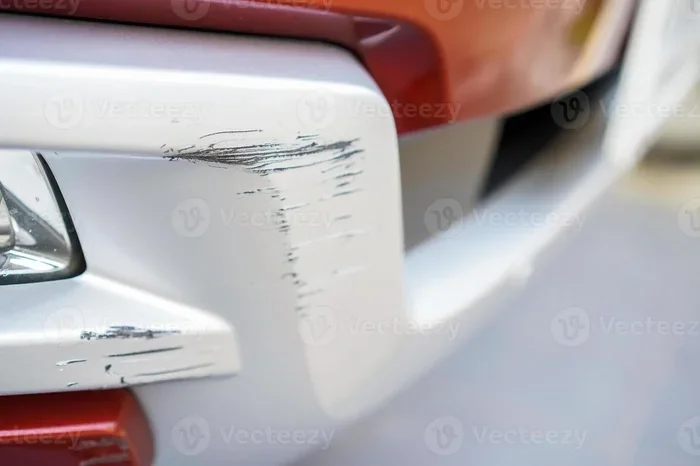
Does Car Insurance Cover Scratches On Your Vehicle
Car insurance can cover scratches, but only if the damage results from a covered event like a collision, vandalism, or a falling object. Comprehensive and collision policies may pay for repair costs after you meet your deductible, while liability coverage typically does not apply to your own vehicle’s scratches. This article explains exactly when you can file a claim and how to decide if it’s worth it.
Does car insurance cover scratches? The short answer is yes, but only under specific conditions. If someone keys your car or a shopping cart dents your door, you might be covered. However, if the scratch is just from everyday use, your policy likely won’t pay. Understanding your auto insurance coverage is crucial before you file a claim. This guide walks you through every scenario, from comprehensive to collision, and helps you decide whether a scratch claim is worth it.
Many drivers assume their insurance will handle any damage. That’s not always true. Scratches can happen for countless reasons. Some are covered, some aren’t. The key is knowing what your policy includes and what the claim process looks like. I’ll break it all down in simple terms so you can make the best decision for your vehicle and your wallet.
Below, you’ll find detailed sections on the types of coverage that apply to scratches, when they won’t pay, how to file a claim, and practical tips to prevent damage. I’ve also included a comparison table and real-world examples to make this easy to follow. Let’s dive in.
Key Takeaways
- Comprehensive coverage often pays for scratches caused by non-collision events like vandalism or falling branches.
- Collision coverage applies when scratches result from an accident with another vehicle or object.
- You’ll usually need to pay a deductible before insurance kicks in, so minor scratches might not be worth claiming.
- Wear and tear, intentional damage, and pre-existing scratches are generally excluded.
- Filing a claim could affect your future premiums, so compare repair costs versus deductible.
- If your car has a salvage title, you may still be able to get comprehensive coverage for scratches.
- Always document scratches with photos and a police report if the cause is unknown.
📑 Table of Contents
- Does Car Insurance Cover Scratches Under Different Policies
- When Scratches Won’t Be Covered by Insurance
- How to File a Scratch Damage Claim
- Scratch Repair Costs and Is It Worth Filing a Claim
- Preventing Scratches and Protecting Your Vehicle
- Special Situations: Salvage Titles and Trade-In Value
- Key Takeaways
Does Car Insurance Cover Scratches Under Different Policies
Not all car insurance policies treat scratches the same way. The coverage depends entirely on the type of policy you hold and the cause of the damage. Most standard policies include liability, comprehensive, and collision coverage. Each plays a different role when it comes to scratch repairs. Let’s explore how each one works for paint damage insurance.
Comprehensive Coverage and Scratches
Comprehensive coverage is your best friend for non-collision scratches. This part of your policy covers damage from events that are not caused by driving. Think of vandalism, theft, falling objects, fire, and weather-related incidents. If someone keys your car in a parking lot, comprehensive coverage should pay for the repair.
It also covers scratches from a falling tree branch or a hailstorm. Even if a shopping cart hits your car in a grocery store lot, comprehensive coverage may apply because it’s not a collision with another vehicle. The important thing is that the cause must be a covered peril listed in your policy. Common covered events include animal damage, rock chips, and vandalism. This is often the most relevant coverage for minor scratches that happen while your car is parked.
Keep in mind that comprehensive coverage comes with a deductible. You choose the deductible amount when you buy the policy, typically $500 or $1,000. You’ll pay that amount out of pocket before your insurance covers the rest. For a small scratch that costs $300 to fix, filing a claim might not make sense if your deductible is $500. Always weigh the scratch repair cost against the deductible before taking action.
Collision Coverage for Scratch Damage
Collision coverage kicks in when your car is damaged in an accident with another vehicle or object. If you scrape your side mirror against a concrete pillar in a parking garage, collision coverage applies. Similarly, if another driver hits your car and causes a scratch, their insurance should pay, but your collision coverage can step in if they are uninsured.
Collision coverage also applies when you hit a pothole and it damages your paint or when you clip a curb and scratch your wheel. The deductible for collision is usually higher than comprehensive, often $1,000 or more. This means minor scratches that cost less than your deductible are better paid out of pocket. Collision coverage is essential for active drivers who face daily risks like parking lot dings and road debris.
Liability Coverage and Why It Doesn’t Cover Your Own Scratches
Liability coverage is mandatory in most states. It pays for damage you cause to other people or their property. If you rear-end someone and scratch their bumper, your liability coverage pays for their car. But liability coverage never pays for scratches on your own vehicle. If your car gets scratched in a single-car accident, liability won’t help.
That’s why having comprehensive and collision coverage is so important. They protect your own car. Without them, you’d be paying for every scratch and dent yourself. If you’re leasing or financing your vehicle, lenders usually require both comprehensive and collision. This ensures the lender’s investment is protected from any auto insurance scratches.
When Scratches Won’t Be Covered by Insurance
Insurance is not a catch-all for every mark on your car. Policies explicitly exclude certain types of damage. Understanding these exclusions can save you from a denied claim and wasted time. Here are the most common situations where your insurer will say no.
Wear and Tear Exclusions
Insurance is designed to cover sudden, accidental damage. Scratches that develop over time from sun exposure, minor abrasions, or everyday use are considered wear and tear. No auto insurance policy covers gradual deterioration. If your car has clear coat peeling or minor surface scratches from car washes, that’s on you. The policy expects the vehicle to be maintained properly.
Intentional Damage and Vandalism Limits
While comprehensive coverage covers vandalism, it does not cover intentional damage you cause yourself. If you scratch your own car on purpose, the claim will be denied. Also, if you let a friend drive your car and they intentionally key it, the claim might still go through, but it could raise red flags. Insurance companies investigate suspicious claims carefully. They want to ensure the damage was truly accidental or caused by a third party.
Pre-Existing Damage and Poor Documentation
If you already had a scratch before your policy started, and you try to claim for it later, the insurer will deny it. That’s why it’s smart to document your car’s condition when you buy it or at the start of your policy. Take photos of any existing scratches and keep them in a safe place. This protects you if someone later claims you caused new damage. Good documentation is your best defense against a denied claim.
How to File a Scratch Damage Claim
Filing a claim for scratches is straightforward if you have the right coverage. Here is the step-by-step process you should follow to ensure a smooth experience.
- Document the damage. Take multiple photos from different angles. Capture the full panel and close-ups of each scratch. Note the date, time, and location.
- Gather witness information. If the scratch was caused by another driver or a hit-and-run, get their license plate number and contact details. Ask nearby businesses for security camera footage.
- File a police report. For vandalism or hit-and-run incidents, a police report strengthens your claim. Even if the police don’t come to the scene, you can file a report at the station.
- Contact your insurance company. Call your agent or use the mobile app to start the claim. Provide all photos and the police report number. Be ready to describe the cause of the damage clearly.
- Get an estimate. Your insurer may require you to use a specific repair shop or get multiple estimates. Follow their instructions carefully to avoid delays.
- Pay your deductible. Once the claim is approved, you pay the deductible amount, and the insurer covers the remaining cost up to your policy limits.
What You’ll Need for the Claim
- Photos of the scratches and the surrounding area
- Police report number (if applicable)
- Witness statements and contact information
- Repair estimates from licensed shops
- Your policy number and contact details
The process is simple, but be patient. Claims can take a few weeks to process, especially if the adjuster needs to inspect the vehicle in person. Keeping all communication in writing helps you track progress and avoid misunderstandings.
Scratch Repair Costs and Is It Worth Filing a Claim
The cost to fix a scratch varies widely. A minor surface scratch that only affects the clear coat might cost $50 to $150 to buff out. A deeper scratch that exposes the primer or bare metal can range from $200 to $500 per panel. If the scratch has caused rust, the cost can climb to $1,000 or more for a full panel replacement and paint job. These scratch repair costs can add up quickly, which is why knowing your coverage matters.
| Scratch Type | Typical Repair Cost | Covered By |
|---|---|---|
| Clear coat only (buffable) | $50 – $150 | Comprehensive or Collision (after deductible) |
| Primer exposed | $200 – $500 | Comprehensive or Collision (after deductible) |
| Bare metal / rust | $500 – $1,500+ | Comprehensive or Collision (after deductible) |
| Keying (multiple deep scratches) | $800 – $2,000+ | Comprehensive (vandalism) |
Before you file a claim, compare the repair estimate to your deductible. If the repair costs $400 and your deductible is $500, it’s not worth filing. You’d pay the full $400 out of pocket and your premium might still increase. However, if the damage is $2,000 and your deductible is $500, filing a claim makes sense because the insurer pays $1,500. Always run the numbers before you decide.
Is It Worth Filing a Claim for a Small Scratch
Ask yourself three questions: How much is the repair? What is my deductible? Will filing a claim raise my premium? If the repair cost is close to or below your deductible, pay for it yourself. Filing a claim for a small scratch can lead to a rate hike that costs more than the repair over the next few years.
Also consider your claims history. Multiple claims in a short period can label you as a high-risk driver. Insurance companies track this through databases like CLUE (Comprehensive Loss Underwriting Exchange). A single claim might not hurt, but several will. For minor car scratch insurance claim situations, paying out of pocket is often the smarter financial move.
Preventing Scratches and Protecting Your Vehicle
The best way to handle scratches is to prevent them in the first place. While you can’t avoid every incident, smart habits reduce your risk significantly. A little prevention goes a long way toward keeping your paint pristine and avoiding unnecessary claims.
Quick Prevention Tips
- Park away from crowded shopping carts and tight spaces.
- Use a car windshield cover for sun protection to reduce heat damage that can weaken paint.
- Wash your car regularly with a soft microfiber mitt to remove dirt that causes micro-scratches.
- Avoid automatic car washes with harsh brushes if your car has a delicate paint job.
- Apply a ceramic coating or paint protection film to high-impact areas like the front bumper and hood.
Many drivers wonder about car washes. If you have a wrapped vehicle, you might worry about the wash damaging the wrap and exposing the paint underneath. Can a wrapped car go through a carwash? The answer is yes, but you should choose a touchless wash to minimize the risk of scratches. Even with a wrap, loose debris can cause swirl marks, so regular gentle washing is key to protecting your vehicle’s finish.
Expert Insights on Scratch Prevention
According to experienced auto body technicians, the biggest mistake drivers make is ignoring small scratches. A tiny scrape that breaks the clear coat can turn into rust within weeks. Addressing minor damage quickly saves you from expensive repairs later. One technician shared that a $50 clear coat repair can prevent a $1,500 panel replacement if caught early. Don’t let a small scratch become a big problem.
Special Situations: Salvage Titles and Trade-In Value
Some vehicles have a salvage title or have been previously damaged. Can you still get insurance that covers scratches on such a car? Yes. Can you insure a salvage car? Many insurers offer comprehensive and collision coverage for salvage title vehicles, though premiums may be higher. If your salvage car gets scratched by a falling tree, comprehensive coverage should apply just like on a clean-title car. Always disclose the salvage title when applying for coverage to avoid claim denials.
Scratches also affect your car’s trade-in or resale value. Deep scratches that dull the paint can lower the offer a dealer makes. If you’re planning to trade in your car, getting scratches repaired beforehand can net you a better price. Can you trade in a damaged car? Absolutely, but the dealer will likely deduct the repair cost from the trade-in value. It’s often smarter to fix the scratches yourself or file an insurance claim before trading in. Protecting your paint preserves your vehicle’s value and appearance, no matter what type of car you drive.
Understanding these scenarios helps you make informed decisions. Whether your car is a daily driver or a salvage project, knowing your coverage options puts you in control. Review your policy today, document your car’s condition regularly, and act quickly when damage occurs.
Key Takeaways
- Comprehensive coverage covers non-collision scratches like vandalism, falling objects, and weather damage.
- Collision coverage applies to scratches from accidents with other vehicles or objects.
- Always compare the repair cost to your deductible before filing a claim. Small scratches are often not worth it.
- Wear and tear, intentional damage, and pre-existing scratches are never covered.
- Document every scratch with photos and a police report when the cause is unknown.
- Salvage title vehicles and wrapped cars can still receive scratch coverage under comprehensive or collision policies.
Does car insurance cover scratches? Yes, when the cause is covered and you have the right policy. Knowing your coverage details puts you in control. Don’t let a small scratch become a big financial burden. Review your policy today, document your car’s condition, and act quickly when damage occurs.
Frequently Asked Questions
Does comprehensive insurance cover scratches from a car wash?
Yes, if the scratches were caused by an unexpected event like a malfunctioning car wash brush or loose debris. However, gradual wear from regular washing is not covered. Always check with your insurer to confirm the specific cause is a covered peril.
Will my insurance rates go up if I file a scratch claim?
It depends on your claims history and the severity of the claim. A single comprehensive claim for vandalism might not raise your rates, especially if you have accident-free driving. But multiple claims can trigger a premium increase. Compare the repair cost against the potential rate hike before filing.
How long does a scratch damage claim take to process?
Most scratch claims are resolved within two to four weeks. The timeline depends on the adjuster’s availability, the repair shop’s workload, and whether you need to provide additional documentation. Simple claims with clear evidence move faster.
Can I claim scratches on my car if I don’t know who caused them?
Yes, if you have comprehensive coverage. Unidentified damage, such as a scratch found in a parking lot with no witness, is typically covered under comprehensive as vandalism or an unknown event. Filing a police report strengthens your claim in these situations.
Is it worth claiming a $300 scratch if my deductible is $500?
No, it’s usually not worth it. You’d pay the full $300 out of pocket, and the claim could still affect your future premiums. It’s better to cover minor repairs yourself and save your claims history for larger incidents.
Does insurance cover scratches on a leased car?
Yes, if you have comprehensive and collision coverage. Leasing companies often require full coverage, so scratches from covered events are handled by insurance. However, you may still be responsible for the deductible, and the lease-end inspection could note the damage if it wasn’t repaired.