How Many Miles Will a Nissan Titan Last on the Road
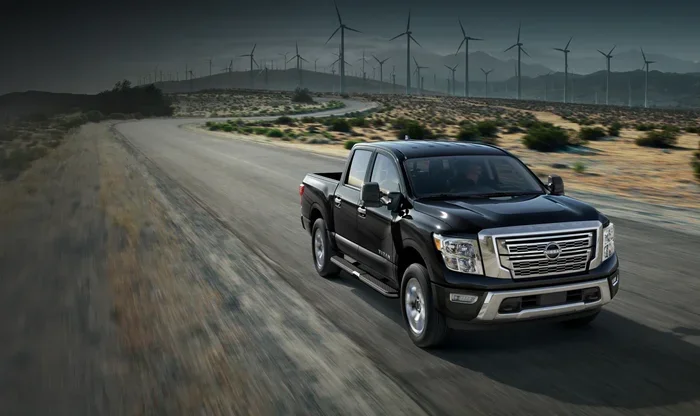
The Nissan Titan is a durable full-size truck that can last between 200,000 and 300,000 miles with proper care. Regular maintenance, smart driving habits, and timely repairs play a huge role in extending the Nissan Titan lifespan. Whether you own a first-generation or the latest model, understanding what affects your truck’s longevity helps you get the most miles out of your investment.
A Nissan Titan is more than just a truck. It is a workhorse that can handle tough jobs, long road trips, and everything in between. But one question keeps coming up among truck fans and potential buyers: how many miles will a Nissan Titan last? The answer depends on several factors, and this guide breaks them all down.
If you are shopping for a used Titan or already own one, understanding what affects its lifespan helps you make smarter decisions. Let us dive into the details of Nissan Titan longevity and what you can do to keep your truck running strong for years to come.
## Understanding Nissan Titan Longevity
The Nissan Titan is a full-size pickup truck that has been on the market since 2004. Over the years, Nissan has made significant improvements to its design, engine, and overall build quality. But how long can you really expect a Titan to last?
### Average Mileage Expectations
Most experts agree that a Nissan Titan can last between 200,000 and 300,000 miles when properly maintained. Some owners have even pushed their Titans past the 300,000-mile mark. This is impressive for a full-size truck, especially when you compare it to the average lifespan of most pickups on the road today.
The key word here is properly maintained. A truck that gets regular oil changes and timely repairs will always outlive one that does not. Think of it like taking care of your health. The better you take care of yourself, the longer you live. The same principle applies to your Nissan Titan.
### What Makes the Titan Different
Nissan built the Titan with a robust V8 engine and a sturdy frame. These components are designed to handle heavy loads and tough conditions. Unlike some trucks that struggle after 150,000 miles, the Titan is engineered to keep going strong well beyond that point.
The Titan also benefits from Nissan’s experience in building reliable trucks. While the first generation had some quirks, Nissan listened to customer feedback and made improvements in later models. This commitment to continuous improvement is one reason the Titan has such a strong reputation for longevity.
## Factors That Affect Nissan Titan Mileage
Many things influence how many miles a Nissan Titan will last. Some factors are within your control, while others depend on the truck itself. Let us look at the most important ones.
### Maintenance Schedule
This is the biggest factor. A Titan that follows a strict maintenance schedule will last far longer than one that does not. Here are the critical maintenance tasks that directly impact Nissan Titan lifespan:
- Oil Changes: Change your oil every 5,000 to 7,500 miles. Clean oil keeps the engine running smoothly and prevents wear.
- Transmission Fluid: Flush the transmission fluid every 60,000 to 90,000 miles. Old fluid can cause transmission problems.
- Brake Inspections: Check brakes every 15,000 miles. Worn brakes can damage other components if ignored.
- Coolant Flushes: Flush the coolant every 30,000 miles to prevent engine overheating.
- Spark Plugs: Replace spark plugs every 60,000 to 100,000 miles for optimal engine performance.
Skipping any of these tasks can lead to bigger problems down the road. Small maintenance items are cheap. Major repairs are not.
### Driving Habits
How you drive your Titan matters a lot. Aggressive driving, such as rapid acceleration and hard braking, puts extra stress on the engine and transmission. Over time, this wear adds up and can shorten your truck’s lifespan.
On the other hand, smooth and steady driving helps the engine last longer. If you haul heavy loads frequently, your Titan will experience more wear than someone who uses it for commuting. Towing within the Titan’s rated capacity is fine, but consistently exceeding it can cause premature damage.
### Road Conditions and Climate
Where you drive also plays a role. Trucks driven in harsh climates, such as extreme heat or cold, tend to experience more wear. Salt on roads during winter can cause rust and corrosion, which weakens the frame and body over time.
If you live in a coastal area, salt air can also accelerate rust formation. Washing your truck regularly, especially the undercarriage, helps protect against these environmental factors. Keeping your Titan clean is one of the simplest ways to extend its life.
## Common Nissan Titan Maintenance Needs
Every truck needs maintenance eventually. The Nissan Titan is no exception. Understanding common maintenance needs helps you stay ahead of problems before they become expensive repairs.
### Engine and Transmission Care
The Titan’s V8 engine is powerful and reliable, but it does need attention. Here are the most common engine-related maintenance items:
- Oil Changes: This is the single most important thing you can do for your engine. Fresh oil lubricates moving parts and prevents friction.
- Timing Chain Inspection: The timing chain should be inspected around 100,000 miles. A worn chain can cause serious engine damage if it breaks.
- Valve Adjustments: Some Titan models benefit from periodic valve adjustments to maintain optimal performance.
The transmission is another critical component. The Titan uses either a 5-speed or 7-speed automatic transmission depending on the model year. Regular fluid changes keep the transmission shifting smoothly and prevent costly rebuilds.
### Suspension and Steering
The Titan is a heavy truck, and its suspension takes a beating over time. Common suspension issues include worn shock absorbers, ball joints, and tie rods. Replacing these parts on schedule keeps your truck handling well and prevents uneven tire wear.
If you notice vibrations while driving or uneven tire wear, have your suspension checked right away. Catching these issues early saves money and keeps you safe on the road.
### Rust Prevention
Rust is one of the biggest enemies of any truck. The Titan is no different. Regular washing, especially during winter months, helps prevent rust from forming. Applying a rust inhibitor or undercoating provides an extra layer of protection.
If you live in an area with heavy salt use on roads, consider rust-proofing your Titan every few years. This investment pays off by protecting the truck’s structural integrity and appearance.
## Nissan Titan Model Years and Reliability
Not all Titan models are created equal. Some years are more reliable than others, and understanding these differences helps you make a better buying decision.
### First Generation (2004-2015)
The first-generation Titan had a strong start but faced some reliability issues. Common problems included transmission hesitation and electrical gremlins. However, the V8 engine itself proved to be quite durable. Many first-generation Titans have crossed the 200,000-mile mark without major issues.
If you are considering a used first-generation Titan, get a thorough inspection. Pay special attention to the transmission and electrical systems. A well-maintained first-gen Titan can still be a great truck, but you want to know what you are getting into.
### Second Generation (2016-2023)
Nissan made significant improvements in the second generation. The transmission became smoother, and electrical issues were largely resolved. The second-generation Titan also received a more powerful V8 engine and better fuel economy.
This generation is widely considered the most reliable Titan to date. Owners report fewer problems and better overall satisfaction. If you want a Titan with strong longevity potential, a second-generation model is an excellent choice.
### Third Generation (2024+)
The latest Titan features a new design and updated technology. While it is still relatively new, early reviews are positive. Nissan has continued to refine the Titan’s reliability, and the third generation shows promise for long-term durability.
Since this model is so new, long-term data is limited. However, Nissan’s improvements in build quality suggest that the third-generation Titan will continue the trend of lasting well over 200,000 miles.
## Tips to Extend Your Nissan Titan’s Life
Want to push your Titan past the 300,000-mile mark? Here are some proven tips to help you get the most out of your truck.
### Follow the Maintenance Schedule Strictly
This cannot be overstated. Stick to the maintenance schedule in your owner’s manual. Do not skip oil changes or ignore warning lights. Every maintenance task exists for a reason, and skipping them shortens your truck’s life.
### Use Quality Parts and Fluids
Cheap parts and fluids may save money in the short term, but they can cause long-term damage. Use manufacturer-recommended oil, coolant, and transmission fluid. When replacing parts, choose quality brands that meet or exceed OEM specifications.
### Listen to Your Truck
Your Titan will tell you when something is wrong. Unusual sounds, vibrations, or warning lights are all signs that something needs attention. Do not ignore these signals. Addressing problems early prevents them from becoming major repairs.
### Keep It Clean
A clean truck is a healthy truck. Regular washing removes dirt, salt, and debris that can cause rust and corrosion. Pay special attention to the undercarriage, wheel wells, and bed area. Cleanliness is one of the easiest and most effective ways to protect your investment.
### Store It Properly
If you have a second truck or seasonal use for your Titan, proper storage matters. Keep it in a covered area away from extreme weather. Use a battery tender if the truck will sit for extended periods. Taking these precautions prevents unnecessary wear and tear.
## Is the Nissan Titan Worth the Investment?
After looking at all the factors, the big question remains: is the Nissan Titan worth buying? The answer depends on your needs, but the data strongly supports the Titan as a long-lasting, reliable truck.
### Pros of Owning a Nissan Titan
- Long Lifespan: With proper care, a Titan can easily last 200,000 to 300,000 miles.
- Strong V8 Engine: The engine is built for durability and can handle tough workloads.
- Good Towing Capacity: The Titan can tow up to 9,300 pounds, making it versatile for work and recreation.
- Strong Resale Value: Titans hold their value well due to their reputation for reliability.
- Affordable Maintenance: Compared to some competitors, Titan maintenance costs are reasonable.
### Cons to Consider
- Fuel Economy: The V8 engine means lower fuel economy compared to smaller trucks or hybrids.
- Older Models Have Issues: First-generation Titans had more reliability problems than newer ones.
- Limited Interior Tech: Some model years lag behind competitors in technology and infotainment features.
### How Does the Titan Compare?
When compared to competitors like the Ford F-150 and Toyota Tundra, the Titan holds its own. The F-150 is the best-selling truck in America and offers strong reliability. The Toyota Tundra is known for exceptional longevity and often surpasses 300,000 miles. The Titan sits comfortably in the middle, offering solid reliability at a competitive price point.
If you are looking for a truck that will last a long time without breaking the bank, the Nissan Titan is a strong contender. It may not be the absolute best in every category, but its combination of durability, capability, and value makes it a smart choice for many truck buyers.
## Final Thoughts on Nissan Titan Mileage
So, how many miles will a Nissan Titan last? The answer is clear: with proper care and maintenance, your Titan can easily reach 200,000 to 300,000 miles and beyond. The key is to stay on top of maintenance, drive responsibly, and address problems before they grow.
The Nissan Titan is a truck built to last. Whether you use it for work, towing, or weekend adventures, it has the durability to keep up with your demands. Invest in your truck, and it will reward you with years of reliable service.
If you are still deciding between model years or want to understand more about specific maintenance needs, checking resources like serpentine belt maintenance can help you understand how small parts affect overall truck health. Similarly, if you plan to haul with your Titan, learning about its towing capabilities through guides like travel trailer towing gives you a better sense of what your truck can handle. Taking care of your truck bed with accessories like a cargo liner also protects your investment and keeps your truck looking great for years to come.
Owning a truck is a commitment. But with the right approach, your Nissan Titan will be a faithful companion on the road for a very long time. Start applying these tips today, and your odometer will thank you tomorrow.
Key Takeaways
- Average Lifespan: A well-maintained Nissan Titan can reach 200,000 to 300,000 miles or more.
- Maintenance Matters: Regular oil changes, brake inspections, and fluid flushes significantly extend truck life.
- Engine Reliability: The V8 engine is known for durability but needs proper care to hit high mileage.
- Model Year Differences: Newer generations have fewer issues and better longevity than older models.
- Driving Habits Count: Towing heavy loads and aggressive driving reduce the Nissan Titan mileage potential.
- Resale Value: Titans hold value well due to their reputation for lasting a long time.
Frequently Asked Questions
What is the average lifespan of a Nissan Titan?
A well-maintained Nissan Titan can last between 200,000 and 300,000 miles. Some owners have reported their Titans lasting even longer with consistent care and regular maintenance.
How can I make my Nissan Titan last longer?
Follow the recommended maintenance schedule, use quality parts and fluids, drive smoothly, and address any warning signs immediately. Regular oil changes and transmission fluid flushes are especially important for long-term engine health.
Which Nissan Titan model year is the most reliable?
The second-generation Titan (2016-2023) is widely regarded as the most reliable. Nissan addressed many of the issues found in the first generation, making it a stronger choice for long-term ownership.
Does towing reduce a Nissan Titan’s lifespan?
Towing within the Titan’s rated capacity does not significantly reduce lifespan. However, consistently exceeding the towing limit or towing without proper maintenance can cause premature wear on the engine and transmission.
How often should I change the oil in my Nissan Titan?
Change your oil every 5,000 to 7,500 miles for best results. Using the recommended oil grade and changing it regularly keeps the engine lubricated and prevents costly damage over time.
Are Nissan Titans expensive to maintain?
No, Nissan Titans are generally affordable to maintain compared to many competitors. Parts are widely available, and routine maintenance costs are reasonable. The biggest expense is usually major repairs that result from neglected maintenance.