How Many Miles Does a Honda Civic Last in Real Life
A Honda Civic can last between 200000 and 300000 miles or more with proper care. This beloved compact car has earned a reputation for reliability thanks to solid engineering and affordable maintenance. Whether you own a gas model or a Honda Civic hybrid, regular upkeep is the key to unlocking serious mileage.
The Honda Civic has been one of the most popular cars on the road for decades. People buy it for its fuel efficiency, its fun-to-drive feel, and its reputation for lasting a long time. But the real question most buyers ask is simple: how many miles does a Honda Civic last?
The short answer is that a well-maintained Honda Civic can easily hit 200000 to 300000 miles. Some owners have even pushed their Civics past the 400000-mile mark. That kind of longevity doesn’t happen by accident. It comes down to how you drive, how you maintain the car, and which model year you own.
In this guide, we’ll break down everything you need to know about Honda Civic lifespan. We’ll look at what helps these cars last, what can shorten them, and how you can get the most miles out of yours.
Key Takeaways
- Honda Civics routinely last 200000 to 300000 miles when maintained properly.
- Regular oil changes and timely repairs are the single biggest factor in Civic longevity.
- Hybrid Honda Civics can last even longer due to less engine wear.
- Common problems like rust and transmission issues can shorten lifespan if ignored.
- Buying a used Honda Civic with high mileage can still be a smart investment.
- Driving habits and climate play a big role in how many miles your Civic will reach.
📑 Table of Contents
- How Many Miles Does a Honda Civic Last?
- What Makes the Honda Civic So Durable?
- Honda Civic Longevity by Model Year
- Maintenance Tips to Maximize Your Honda Civic’s Lifespan
- Common Problems That Shorten a Honda Civic’s Life
- Is a High Mileage Honda Civic Worth Buying?
- Driving Habits That Add Miles to Your Honda Civic
- How Does the Honda Civic Compare to Competitors?
- Final Thoughts on Honda Civic Longevity
How Many Miles Does a Honda Civic Last?
When people talk about Honda Civic mileage, they usually mean the average lifespan of the car. Most mechanics and car experts agree that a Honda Civic can run strong for 200000 miles or more. That’s well beyond the average car ownership period, which sits around 12 to 15 years.
What the Data Shows
Real-world data backs up these numbers. Sites that track vehicle longevity show that Honda Civics consistently rank among the longest-lasting compact cars. Many owners report hitting the 250000-mile milestone without major engine or transmission work. The key word here is “without major work,” which brings us to the next point.
The Honda Civic reliability rating from Consumer Reports and J.D. Power remains consistently high. These ratings factor in repair frequency, severity of issues, and owner satisfaction. Honda Civics score well across all three categories.
Gas vs. Hybrid Mileage
There’s a difference between how far a car can go on a single tank and how many total miles it will last over its lifetime. A gas-only Honda Civic might deliver around 30 to 40 miles per gallon depending on the model year. A hybrid Civic can push that number even higher, which means fewer trips to the pump and less engine wear over time.
Hybrid models also benefit from regenerative braking, which reduces wear on brake pads and rotors. Over hundreds of thousands of miles, that adds up. If you’re considering a Civic hybrid, know that it can potentially last longer than its gas-only counterpart.
What Makes the Honda Civic So Durable?
Honda has built the Civic with a focus on simplicity and reliability. Unlike some cars loaded with complex electronics and turbochargers, the Civic keeps things straightforward. That simplicity is a big reason these cars last so long.
Engine Design
The Honda Civic engine is known for being overbuilt. Honda uses durable materials and conservative tuning. The engines run cool and don’t strain under normal driving conditions. This means fewer catastrophic failures over the life of the car.
One component worth mentioning is the timing chain. Unlike a timing belt that needs replacement at specific intervals, many Honda Civic models use a timing chain that can last the life of the engine. That said, some older models used timing belts, so it’s important to know which your car has.
Speaking of timing chains, if you’re curious about how long these components really last, check out our guide on can a timing chain last 300 for more detailed information.
Transmission Longevity
The Honda Civic typically comes with either a manual or automatic transmission. Both types have proven durable over the years. The CVT (continuously variable transmission) found in newer models has had some criticism, but most CVT-equipped Civics last well beyond 150000 miles.
Regular transmission fluid changes go a long way here. Honda recommends checking the fluid every 30000 to 60000 miles. Skipping this service is one of the fastest ways to shorten a transmission’s life.
Honda Civic Longevity by Model Year
Not all Honda Civics are created equal when it comes to lasting power. Some model years have better track records than others. Let’s look at what to expect from different generations.
Older Models (1996-2005)
The 8th and 9th generation Civics are often considered some of the most reliable ever built. These models had simpler electronics, fewer sensors, and engines that were easy to work on. Many owners of these older Civics report crossing the 300000-mile threshold with only routine maintenance.
One thing to watch for on older models is rust. Cars from this era were more prone to surface rust, especially in northern states where road salt is common. Keeping the undercarriage clean and treated can prevent major rust issues.
Mid-Generation Models (2006-2015)
The 10th generation Honda Civic brought more features and refinement. These models also introduced more electronics, which can be a double-edged sword. More electronics means more things that can potentially fail. However, the core mechanicals remained solid.
The 2006 to 2011 models are particularly well-regarded for longevity. The engines in these years are known to be robust and forgiving of occasional maintenance oversights.
Newer Models (2016-Present)
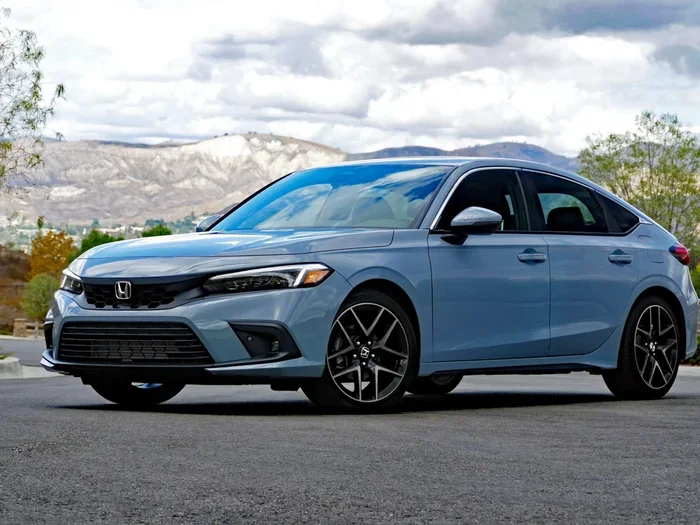
The latest generation Civics are more advanced than ever. They feature turbocharged engines, improved safety tech, and better fuel economy. The 1.5L turbocharged engine found in recent models has proven reliable so far, though long-term data is still being collected.
Newer models also benefit from improved manufacturing quality. Honda has tightened up its assembly processes over the years, which means fewer early-life defects that can lead to bigger problems down the road.
Maintenance Tips to Maximize Your Honda Civic’s Lifespan
This is where the rubber meets the road. How you maintain your Honda Civic directly affects how many miles it will last. Follow these tips and your Civic could easily outlast the average car on the road.
Stick to the Maintenance Schedule
Honda provides a detailed maintenance schedule for every model year. It covers oil changes, fluid flushes, belt replacements, and more. Following this schedule is the single best thing you can do for your car’s longevity.
Here are the most important maintenance items for a long-lasting Honda Civic:
- Oil changes every 5000 to 7500 miles using the recommended grade of oil
- Tire rotations every 5000 to 7500 miles to ensure even wear
- Brake inspections at every oil change to catch issues early
- Coolant flush every 60000 miles to prevent overheating
- Transmission fluid change every 60000 miles for automatic models
- Spark plug replacement every 30000 to 60000 miles depending on the type
Use Quality Parts and Fluids
Not all oil and parts are created equal. Using cheap, off-brand fluids can lead to premature engine wear. Honda recommends specific grades of oil, and for good reason. The engines are tuned to work with those specifications.
If you’re debating between conventional and synthetic oil, consider this: synthetic oil lasts longer and provides better protection. Some owners switch to synthetic after the break-in period and never look back. For more on how long synthetic oil really lasts, check out our article on does Mobil 1 really last 10.
Drive Gently and Warm Up the Engine
Hard driving kills cars faster than almost anything else. Rapid acceleration, hard braking, and redlining the engine all add stress to internal components. The Civic is a fun car to drive, but treating it gently during the first few minutes of each trip helps the oil circulate and the engine reach optimal temperature.
You don’t need to baby the car. Just avoid slamming the gas pedal when the engine is cold. After a minute or two of gentle driving, you can enjoy the car’s full performance.
Keep the Car Clean
This might sound unrelated, but keeping your Civic clean pays off. Road salt, bird droppings, and tree sap can all damage the paint and undercarriage over time. Washing the car regularly and applying wax creates a protective barrier.
Interior cleanliness matters too. A clean car gets maintained more often because you notice issues more readily. When you’re vacuuming the seats, you might also notice a strange noise or smell that needs attention.
Common Problems That Shorten a Honda Civic’s Life
Even the most reliable cars have weak points. Knowing what can go wrong helps you prevent problems before they become expensive repairs.
Rust and Corrosion
Rust is the silent killer of many Honda Civics, especially older models. Cars driven in snowy climates where road salt is used are most at risk. Rust can eat through the frame, exhaust system, and body panels if left unchecked.
Prevention is straightforward. Wash the undercarriage regularly during winter months. Apply rust-proofing spray if you live in a high-risk area. And fix any chips or scratches in the paint as soon as you notice them.
CVT Transmission Issues
The continuously variable transmission has been a point of contention for some Honda owners. Some CVT units develop a whining noise or experience jerky shifts. In severe cases, the transmission can fail entirely.
The good news is that regular fluid changes can prevent most of these issues. If you notice any unusual noises or behavior from the transmission, get it checked immediately. Ignoring transmission problems almost always leads to bigger repair bills.
Ignition Coil and Spark Plug Failures
Some Honda Civic model years are prone to ignition coil failure. Symptoms include rough idling, misfires, and reduced fuel economy. Replacing ignition coils and spark plugs on schedule prevents this from becoming a bigger issue.
AC Compressor Problems
Older Civics sometimes experience AC compressor failures. While this doesn’t affect the car’s lifespan directly, it’s an expensive repair that can make you reconsider keeping the car. Running the AC regularly, even in winter, helps keep the compressor lubricated.
Is a High Mileage Honda Civic Worth Buying?
Buying a used Honda Civic with high mileage is one of the smartest moves a car buyer can make. These cars hold their value well, and a high-mileage Civic that has been maintained properly can still deliver years of reliable service.
What to Look For
When shopping for a used Honda Civic with high mileage, pay attention to these factors:
- Maintenance records — Ask for proof of regular oil changes and services
- Accident history — Get a vehicle history report to check for past collisions
- Mileage vs. age — A 2015 Civic with 150000 miles is in great shape; a 2005 Civic with 200000 miles needs more scrutiny
- Test drive feel — Listen for unusual noises and feel for vibrations during the test drive
- Pre-purchase inspection — Always have a trusted mechanic inspect the car before buying
The Cost of Ownership
One of the biggest advantages of the Honda Civic is its low cost of ownership. Insurance is affordable, parts are cheap, and repairs are straightforward. Even when something does break, the fix is usually less expensive than it would be on a luxury or foreign-brand competitor.
Compare this to the cost of maintaining a newer car with complex electronics and turbocharged engines. The difference can be thousands of dollars over the life of the vehicle. That’s a big reason why the Civic remains one of the best values in the automotive market.
Driving Habits That Add Miles to Your Honda Civic
How you drive affects how long your car lasts. Good driving habits reduce wear on the engine, transmission, brakes, and tires.
Avoid Short Trips When Possible
Short trips are hard on any car. The engine doesn’t reach full operating temperature, which means moisture builds up in the oil. Over time, this leads to increased wear. If you can combine errands into longer trips, your engine will thank you.
Accelerate and Brake Smoothly
Jackrabbit starts and panic braking put unnecessary stress on every component. Smooth driving isn’t just safer — it also reduces wear and tear. Your Civic will last longer if you treat it gently.
Keep the Fuel Tank Above a Quarter
Running on empty can damage the fuel pump. The pump relies on fuel for cooling, and when the tank is consistently low, the pump works harder and wears out faster. Keeping the tank at least a quarter full is a simple habit that protects your fuel system.
How Does the Honda Civic Compare to Competitors?
The Honda Civic isn’t the only compact car on the market, but it consistently ranks at the top for longevity. Let’s see how it stacks up against a few popular rivals.
The Toyota Corolla is the Civic’s closest competitor in terms of reliability. Both cars are known to last well over 200000 miles. The Corolla edges out the Civic in some reliability surveys, but the Civic offers a more engaging driving experience. For many buyers, that trade-off is worth it.
The Mazda 3 is another strong contender. It offers better handling and a more upscale interior, but it can be more expensive to maintain. The Civic’s lower maintenance costs give it an advantage for long-term ownership.
If you’re curious about how other car features affect longevity, you might want to check out our article on does your car run better with a new serpentine belt to understand how one small component impacts overall performance.
Final Thoughts on Honda Civic Longevity
The Honda Civic is one of the best investments you can make in a car. With proper care, a Honda Civic can last 200000 to 300000 miles or more. That’s years of reliable transportation without the burden of constant repairs or a looming replacement bill.
The key to unlocking that kind of mileage is simple: maintain the car regularly, drive it gently, and address small problems before they become big ones. Honda built the Civic to last, but it still needs your help to reach its full potential.
Whether you’re buying a new Civic or shopping for a used one with high miles, you’re making a smart choice. This car has proven itself over decades, and it shows no signs of slowing down. Take care of your Civic, and it will take care of you for a very long time.
If you’re also curious about fuel costs, don’t miss our article on do you really save on gas with a hybrid to see how much you could save over the life of your Honda Civic.
Frequently Asked Questions
What is the average lifespan of a Honda Civic in miles?
Most Honda Civics last between 200000 and 300000 miles with proper maintenance. Some well-cared-for examples have gone well beyond 400000 miles. The average annual mileage of 12000 to 15000 miles means a Civic can easily serve you for 15 to 20 years or more.
Can a Honda Civic last 300000 miles?
Yes, a Honda Civic can absolutely last 300000 miles. This typically requires consistent maintenance, gentle driving habits, and prompt attention to any issues that arise. Many Civic owners have documented their 300000-mile journeys online, and the car remains reliable at that milestone.
What is the most common reason a Honda Civic fails to reach high mileage?
The most common reason is neglect. Skipping oil changes, ignoring fluid flushes, and putting off brake repairs all contribute to premature wear. Rust is another major factor, especially for cars driven in cold, salty climates. Regular care prevents most of these issues.
Is it worth buying a Honda Civic with over 150000 miles?
In most cases, yes. A Honda Civic with 150000 miles that has been well maintained can still deliver many more years of service. Always request maintenance records and have a pre-purchase inspection done. These steps help ensure you’re buying a car that still has plenty of life left.
How does a Honda Civic hybrid compare in terms of longevity?
Honda Civic hybrids can potentially last longer than gas-only models because the electric motor reduces strain on the gasoline engine. Hybrids also benefit from regenerative braking, which extends brake life. However, the hybrid battery may need replacement after 10 to 15 years, which can be costly.
What maintenance is most important for Honda Civic longevity?
Regular oil changes are the single most important maintenance task. Other critical services include transmission fluid changes, coolant flushes, brake inspections, and spark plug replacements. Staying on top of these services gives your Civic the best chance of reaching high mileage.