How to Start Your Car With Your Key Fob in Seconds
Starting your car with a key fob is quick, easy, and convenient. Whether you have a push-button start or a traditional ignition, this guide walks you through every step. You will learn how key fobs work, how to fix common problems, and how to keep your fob in top shape.
Key Takeaways
- Key fob starting is simple: Press the start button with the fob inside your car, and the engine fires up in seconds.
- Dead battery is the #1 issue: Most key fob problems come from a low battery, which is easy to replace at home.
- Hybrid and modern cars use smart keys: These vehicles rely on proximity sensors and transponder technology for secure starting.
- You can boost your fob range: Holding the fob close to the start button helps when the battery is weak.
- Regular maintenance helps: Keeping your fob clean and replacing the battery on schedule prevents unexpected problems.
- Professional help is available: If basic fixes don’t work, a locksmith or dealer can reprogram or replace your fob.
📑 Table of Contents
How Key Fob Car Starting Works
Starting your car with a key fob feels like magic. You press a button, and the engine roars to life. But there is real technology behind that simple action. Understanding how it works helps you use your fob better and fix problems faster.
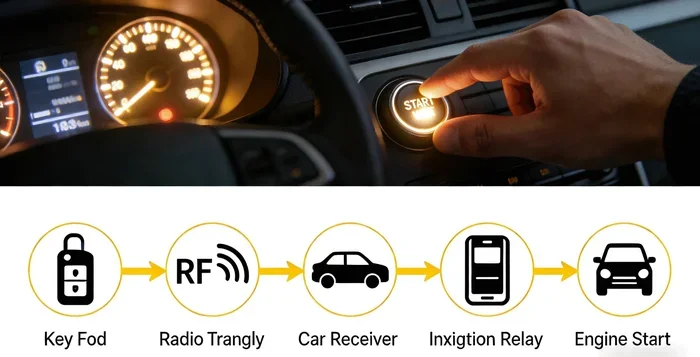
A key fob is a small remote device that sends a coded signal to your car. When you press the start button, the car’s computer checks the signal. If the code matches, the engine starts. This whole process takes just a few seconds.
What Is a Key Fob?
A key fob is a wireless remote that lets you lock, unlock, and start your car without using a traditional metal key. Most modern cars come with smart key systems. These fobs communicate with your car using radio frequency signals.
The fob contains a tiny computer chip. This chip sends a unique code every time you use it. Your car’s immobilizer system reads this code. If the code is correct, the car allows the engine to start. This car security system keeps thieves from hot-wiring your vehicle.
How Does Keyless Ignition Work?
Keyless ignition systems use a proximity sensor to detect your fob. The sensor works when the fob is inside the car, usually on the driver’s side. Once the system detects the fob, you can press the start button to fire up the engine.
Some cars also offer remote start. This lets you start the engine from outside the car using the fob. It is especially useful in cold weather. You can warm up the car before you get in.
Step-by-Step Guide to Starting Your Car With Your Key Fob
Starting your car with a key fob is different for each vehicle type. Below, we break down the process for both push-button start cars and traditional ignition systems. Follow these steps and you will be driving in no time.
For Push-Button Start Vehicles
Most new cars today use a push-button start system. Here is how to start your car step by step:
- Step 1: Make sure the key fob is inside the car. The proximity sensor needs to detect it.
- Step 2: Press the brake pedal firmly. This is required for safety in most vehicles.
- Step 3: Press the engine start button. Hold it for about one to two seconds.
- Step 4: Wait for the dashboard lights to turn on and the engine to start.
- Step 5: Release the brake and shift into drive. You are ready to go.
Some cars let you start the engine without pressing the brake. Check your owner’s manual for specific instructions. If the fob battery is low, hold the fob directly against the start button. This boosts the signal and helps the car detect it.
For Traditional Ignition With Key Fob
Older vehicles may still use a traditional ignition with a key fob. In these cars, you insert the fob into a slot on the steering column or center console. The car reads the fob’s signal and allows starting. This method is still common in many cars today.
Here is how it works:
- Step 1: Insert the key fob into the designated slot.
- Step 2: Turn the fob or press the start button while the fob is seated.
- Step 3: The engine should start within a few seconds.
If your car has a transponder key, the chip inside the fob must match the car’s security code. This adds an extra layer of car security. Without the right code, the engine will not start, even with the correct key.
Troubleshooting Common Key Fob Starting Problems
Sometimes your key fob will not start the car. Do not panic. Most problems are easy to fix. Here are the most common issues and how to solve them.
Dead Key Fob Battery
The most common reason a key fob fails is a dead battery. When the battery gets weak, the signal becomes too faint for the car to detect. You will notice the fob works only when you are very close to the car.
To fix this:
- Check the battery voltage with a multimeter. A healthy fob battery reads around 3 volts.
- Replace the battery with the correct type. Most fobs use CR2025 or CR2032 batteries.
- After replacing, test the fob by standing a few feet away from the car.
Keeping a spare battery in your glove box is a smart habit. It saves you from being stranded with a dead fob.
Key Fob Not Detected by the Car
If your car does not detect the key fob, try these quick fixes:
- Move the fob closer to the start button or the steering column.
- Remove any metal objects or phone cases that might block the signal.
- Check if the fob has been dropped or damaged. Physical damage can break the internal chip.
- Try starting the car with a backup fob if you have one.
Sometimes the proximity sensor gets dirty. Wipe the sensor area on the car with a clean cloth. This simple step can restore detection in many cases.
Tips to Extend Your Key Fob’s Life
Your key fob is a small device that you use every day. Taking care of it helps it last longer and work better. Here are some easy tips to keep your fob in great shape.
Battery Replacement Tips
Replace your key fob battery every one to two years. Do not wait until the fob stops working. A weak battery can damage the internal circuitry if left too long.
When replacing the battery:
- Use the exact battery type recommended by the manufacturer.
- Match the positive and negative sides correctly.
- Avoid touching the circuit board with your bare hands. Oils from skin can damage components.
Protecting Your Key Fob from Damage
Keep your key fob away from water, extreme heat, and strong magnets. These can damage the internal electronics. A simple fob case or sleeve adds extra protection.
Also, do not store your fob near other electronic devices. Phones, tablets, and laptops can sometimes interfere with the fob’s signal. Keeping them separated prevents signal confusion.
Regular cleaning helps too. Wipe the fob with a soft, damp cloth once a week. This removes dirt and grime that can build up around the buttons.
Key Fob Security Features You Should Know
Modern key fobs come packed with security features. These protect your car from theft and unauthorized access. Understanding them helps you use your car safely.
How Transponder Technology Keeps Your Car Safe
Every key fob has a unique transponder code. When you start the car, the transponder sends this code to the car’s computer. The computer checks if the code is valid. If it is not, the engine will not start.
This immobilizer system is one of the best anti-theft tools available. Even if a thief breaks into your car, they cannot start it without the right fob. It is a silent guardian that works every time you turn the key or press the button.
Remote Start and Its Benefits
Remote start lets you start your car from a distance using the key fob. This feature is incredibly useful in hot or cold weather. You can cool down or warm up your car before getting in.
Most remote start systems work within a range of 500 to 1,000 feet. Some advanced systems can reach even farther. Always check your car’s manual for the exact range and instructions. Using remote start responsibly also helps save fuel, especially in hybrid vehicles where the engine management system is more complex.
When to Seek Professional Help
Most key fob problems are easy to fix at home. But some issues need a professional touch. If you have tried all the basic fixes and your car still will not start, it is time to call an expert.
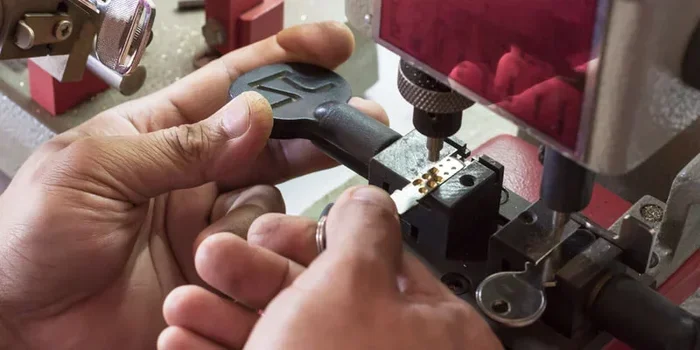
A locksmith who specializes in automotive key fob programming can help. They can reprogram your fob, replace the internal chip, or sync a new fob to your car. Dealers also offer fob replacement services, though they may cost more.
If your car uses hybrid technology and you notice issues with starting, get it checked quickly. Hybrid systems involve both electric and gas components. A problem with the fob could sometimes point to a larger issue in the car’s electrical system. For fuel efficiency concerns, you might also want to check how far your car runs on a litre of petrol to see if the starting problem is affecting your mileage. Regular car maintenance keeps everything running smoothly and prevents unexpected breakdowns.
Remember, a well-maintained key fob means hassle-free driving. Take care of it, and it will take care of you every time you get behind the wheel.
Conclusion
Starting your car with a key fob is one of the simplest and most convenient features in modern driving. Whether you use push-button start or a traditional ignition, the process is quick and straightforward. By understanding how your fob works, you can troubleshoot problems fast and keep your car running smoothly.
Replace your fob battery regularly, protect the device from damage, and learn the security features your car offers. These small habits make a big difference. If problems persist, do not hesitate to seek professional help. A working key fob is your gateway to a smooth, stress-free driving experience every single day.
Frequently Asked Questions
Can I start my car if my key fob battery is completely dead?
In most cars with push-button start, you can hold the dead fob directly against the start button. The car reads the remaining signal and allows starting. However, you should replace the battery as soon as possible to avoid being stranded.
How do I know when my key fob battery needs replacing?
Signs include reduced range, the car not detecting the fob, or needing to press buttons multiple times. Most key fob batteries last one to two years. Replacing them on a schedule prevents sudden failures.
Can I replace my key fob battery myself?
Yes, most key fob battery replacements are simple. You just pop open the back of the fob, remove the old battery, and insert a new one. Make sure to match the battery type and polarity correctly.
What should I do if my key fob gets wet?
Remove the battery immediately and let the fob dry completely. Do not try to start the car with a wet fob. Once dry, replace the battery and test the fob. If it still does not work, consult a professional for key fob repair.
Why does my car not start even with the key fob inside the vehicle?
This could be caused by a dead fob battery, a damaged fob, or a faulty proximity sensor. Try holding the fob against the start button. If that does not work, check the fob for physical damage or consult a mechanic.
Are all key fobs the same across different car brands?
No, key fobs vary by brand and model. Each fob has a unique frequency and coding system. Always use the battery and replacement fob recommended by your car manufacturer to ensure proper function.
=== CONCLUSION ===
Knowing how to start your car with your key fob is an essential skill for every driver. It saves time, reduces stress, and keeps you moving. With the steps and tips in this guide, you can handle most starting situations with confidence. Keep your fob maintained, your battery fresh, and your car ready to go. Safe driving!