Everything You Need to Know About 33 Percent Window Tint
33 percent window tint is a popular automotive tint film that blocks about one-third of incoming light. This window tint percentage offers a balanced mix of UV protection, heat reduction, and privacy for drivers and passengers. In this guide, you will learn everything from the benefits and legal rules to costs and installation tips for 33 percent window tint.
33 percent window tint is one of the most popular choices among car owners today. Whether you want to beat the summer heat, protect your skin, or simply give your vehicle a sleek look, this window tint percentage delivers on all fronts. In this article, we will break down everything you need to know about 33 percent window tint — from benefits and legal rules to costs and installation tips.
If you have been searching for the right automotive tint film, you have probably come across different percentages. The number on the tint label tells you how much light passes through your windows. A 33% rating means that one-third of light gets in, and two-thirds are blocked. This makes it a mid-range option that works well for daily driving, road trips, and everything in between.
Key Takeaways
- 33 percent window tint allows 33% visible light transmission, making it a mid-range option for cars.
- It provides solid UV protection, blocking up to 99% of harmful rays that cause skin damage and interior fading.
- Heat rejection is a major benefit, keeping your car cooler and reducing AC workload.
- Legality varies by state and country, so always check your local tint laws before installing.
- Installation costs typically range from $100 to $400 depending on vehicle size and film quality.
- Common mistakes like choosing the wrong film type or skipping professional installation can lead to bubbling and peeling.
- 33 percent window tint strikes the ideal balance between style, function, and legal compliance for most drivers.
📑 Table of Contents
- What Is 33 Percent Window Tint?
- Benefits of 33 Percent Window Tint
- 33 Percent Window Tint Legality
- How 33 Percent Tint Compares to Other Tint Levels
- Cost and Installation Tips for 33 Percent Window Tint
- Common Mistakes to Avoid with 33 Percent Window Tint
- Expert Tips for Getting the Most Out of 33 Percent Window Tint
- Conclusion
What Is 33 Percent Window Tint?
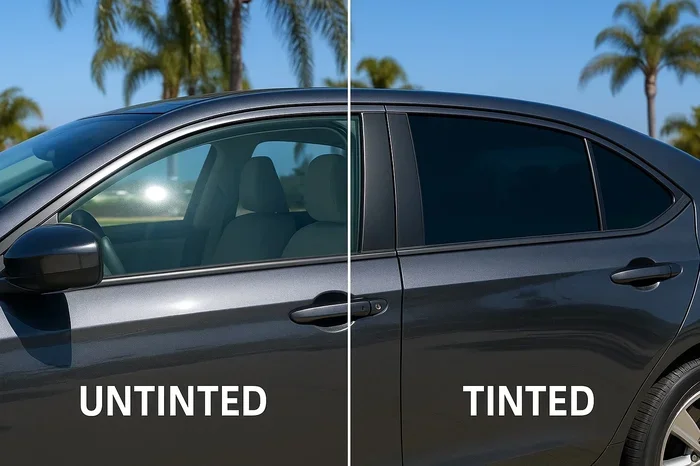
When we talk about 33 percent window tint, we are referring to the amount of visible light that can pass through the film. This measurement is called Visible Light Transmission, or VLT. The lower the VLT number, the darker the tint. For example, a 5% tint is very dark, while a 70% tint is nearly clear.
33 percent window tint falls right in the middle of the spectrum. It is dark enough to provide real benefits but light enough to stay legal in many areas. This tint darkness level is especially popular for rear windows and side windows where drivers want more privacy without going too dark.
The film itself is usually made from layers of polyester and other materials. Some films use a dyed tint process, while others use ceramic tint or carbon tint technology. The type of material affects how well the film blocks heat and UV rays. 33 percent window tint is available in all of these options, giving you flexibility based on your budget and needs.
How VLT Works
Visible Light Transmission is measured as a percentage. A 33% VLT means that 33 out of every 100 light photons pass through the glass and film. The rest are absorbed or reflected by the tint layer. This is why 33 percent window tint feels noticeably darker than factory windows, which often have a VLT of 70% or higher.
When you combine 33 percent window tint with your car’s original factory tint, the effective VLT drops even further. For instance, if your rear windows already have a 20% factory tint and you add a 33% film, the combined VLT will be much lower. This is an important detail to keep in mind when choosing your aftermarket tint.
Benefits of 33 Percent Window Tint
There are many reasons why drivers choose 33 percent window tint for their vehicles. This tint percentage offers a well-rounded set of advantages that go beyond just looks. Let us explore the key benefits in detail.
UV Protection
One of the biggest reasons people invest in car window tinting is UV protection. The sun emits harmful ultraviolet rays that can cause skin damage and increase the risk of skin cancer. 33 percent window tint blocks up to 99% of UV rays, shielding both the driver and passengers.
This protection also extends to your car’s interior. Prolonged sun exposure causes dashboards, seats, and trim to fade and crack over time. With 33 percent window tint, your upholstery and trim stay in better condition for longer. This alone can save you money on interior repairs and replacements down the road.
Heat Rejection
Summer heat can make your car feel like an oven. 33 percent window tint significantly reduces the amount of solar energy that enters your vehicle. The heat rejection properties of quality tint films can lower interior temperatures by 30 to 40 degrees Fahrenheit.
When your car stays cooler, your air conditioning system does not have to work as hard. This means better fuel efficiency and less strain on your AC compressor. Over time, the solar heat rejection from 33 percent window tint can even extend the life of your cooling system.
Glare Reduction
Driving with too much glare is dangerous. Sunlight, headlights from oncoming traffic, and reflections from other surfaces can all impair your vision. 33 percent window tint cuts down on glare significantly, making your driving experience safer and more comfortable.
Whether you are driving on a long highway or navigating through bright city streets, reduced glare helps you stay focused. This is especially helpful during sunrise and sunset when the light is at its most intense. Many drivers report feeling less eye strain and fatigue after installing 33 percent window tint.
Privacy and Aesthetics
Let us be honest — a tinted car just looks better. 33 percent window tint gives your vehicle a sleek, polished appearance that turns heads. It also provides a layer of privacy for you and your passengers, making it harder for people outside to see into your car.
This privacy benefit is especially valuable if you frequently park in public spaces or leave valuables in your vehicle. A privacy tint like 33 percent window tint adds a subtle barrier between your belongings and prying eyes. It is one of those upgrades that improves both function and style at the same time.
33 Percent Window Tint Legality
The legality of window tint varies widely depending on where you live. Before you rush out to install 33 percent window tint, it is essential to understand the rules in your area. Tint laws are enforced at the state, province, and even city level in many places.
Understanding Tint Laws
Most states in the U.S. have specific rules about how dark your tint can be on each window. The front side windows usually have stricter requirements than the rear windows. For 33 percent window tint, the legality depends on which window you are tinting and what your state allows.
Some states allow 33 percent window tint on all windows, while others restrict the front side windows to a lighter shade. For example, states like California and New York have stricter front-side window rules, often requiring a VLT of 70% or higher. On the other hand, states like Arizona and Texas tend to be more lenient with tint darkness limits.
It is also worth noting that some vehicles come with factory tint on the rear windows. If your car already has a dark factory tint, adding 33 percent window tint on top might push you below the legal limit. Always check your local regulations or consult with a professional tint installer before proceeding.
Medical Exemptions
In some states, drivers with medical conditions that require protection from sunlight can apply for a tint exemption. These exemptions allow darker tint levels than what is typically legal. If you have a condition like lupus or severe photosensitivity, look into whether your state offers this option for 33 percent window tint.
How 33 Percent Tint Compares to Other Tint Levels
Not all tints are created equal. Different window tint percentages serve different purposes, and choosing the right one depends on your priorities. Here is how 33 percent window tint stacks up against other popular options.
Comparison Table
| Tint Level | VLT % | Darkness | Best For | Legal in Most Areas? |
|---|---|---|---|---|
| 5% Limo Tint | 5% | Very Dark | Privacy, luxury look | Rarely (rear only in some states) |
| 20% Tint | 20% | Dark | Privacy, heat rejection | Rear windows only in most states |
| 33% Tint | 33% | Medium | Balance of style, function, and legality | Yes, in most areas |
| 50% Tint | 50% | Light | Moderate heat and glare reduction | Yes, almost everywhere |
| 70% Tint | 70% | Very Light | Subtle UV protection | Yes, everywhere |
Why 33% Hits the Sweet Spot
33 percent window tint offers a balanced approach that is hard to beat. Darker tints like 5% or 20% look great but can be too dark for daily driving and may not be legal on front windows. Lighter tints like 50% or 70% are legal everywhere but do not provide as much heat rejection or privacy.
With 33 percent window tint, you get meaningful benefits without crossing into problem areas. It is dark enough to notice a difference in heat and glare, yet light enough to pass inspection in most states. This is why so many car owners choose 33% tint as their go-to option for car window tinting.
Comparing Film Types at 33%
Not all 33 percent window tint films are the same. The material used makes a big difference in performance and price. Dyed tint is the most affordable option but offers less heat rejection. Metalized tint reflects heat well but can interfere with phone and GPS signals. Carbon tint provides excellent heat rejection without signal interference. Ceramic tint is the premium choice, offering the best performance across all categories.
Cost and Installation Tips for 33 Percent Window Tint
The cost of 33 percent window tint varies depending on several factors. Understanding these factors helps you make a smart investment and avoid overpaying.
Average Cost Breakdown
For a standard sedan, you can expect to pay between $100 and $250 for 33 percent window tint installation. Larger vehicles like SUVs and trucks may cost $200 to $400 or more. The price depends on the type of film, the number of windows, and where you live.
Here is a rough breakdown of what affects the cost:
- Film type: Dyed films cost less, while ceramic films cost more but last longer.
- Vehicle size: More glass means more material and more labor time.
- Installation quality: Professional installation costs more but delivers better results and durability.
- Brand reputation: Well-known brands like 3M, Llumar, and SunTek often cost a bit more but offer better warranties.
DIY vs Professional Installation
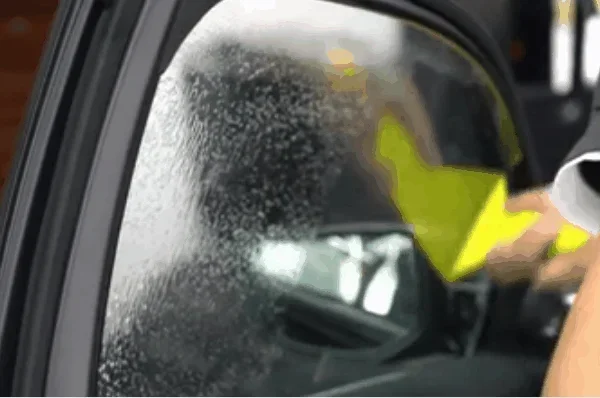
Some car owners choose to install 33 percent window tint themselves to save money. DIY tint kits are available for as low as $50 to $100. However, professional installation is highly recommended if you want a bubble-free, long-lasting finish.
Professionals have the tools, experience, and clean environments needed for a perfect install. They also know how to handle curves, edges, and rear defroster lines without damaging the film. If you do go the DIY route, make sure to follow the instructions carefully and work in a dust-free environment.
How Long Does 33 Percent Tint Last?
A quality 33 percent window tint installation should last between 5 and 10 years, depending on the film type and care. Dyed tint tends to fade after 3 to 5 years. Carbon tint and ceramic tint can last the full 10 years or more with proper maintenance.
To extend the life of your automotive tint film, avoid rolling down your windows for the first 3 to 5 days after installation. This allows the adhesive to cure properly. Also, use a non-ammonia cleaner when wiping your windows to prevent damage to the film.
Common Mistakes to Avoid with 33 Percent Window Tint
Installing 33 percent window tint is not as simple as just sticking a film on glass. There are several common mistakes that can ruin the results or even get you pulled over.
Skipping the Research
One of the biggest mistakes is not researching your local tint laws before buying film. You could end up with a tint that is too dark for your front windows, leading to a ticket or even a requirement to remove the tint entirely. Always verify the legal VLT requirements for each window before making a purchase.
Choosing the Wrong Film Type
Not all window tint film is created equal. Cheap dyed films may look good at first but fade quickly and bubble over time. Investing in a higher-quality carbon tint or ceramic tint pays off in the long run with better performance and durability.
Ignoring Factory Tint
If your car already has factory tint on the rear windows, adding 33 percent window tint on top could make the combined VLT too dark. This is a mistake many people make. Check your vehicle’s original tint level and factor it into your decision.
Poor Installation
Even the best 33 percent window tint film will look terrible if installed poorly. Bubbles, creases, and peeling edges are all signs of bad installation. Always choose an experienced tint installer or, if going the DIY route, take your time and follow every step of the process carefully.
Neglecting Aftercare
Your tint needs care after installation to last. Using harsh cleaners, rolling windows down too soon, or exposing fresh tint to direct sunlight can all shorten its lifespan. Follow the aftercare instructions provided by your installer for the best results.
Expert Tips for Getting the Most Out of 33 Percent Window Tint
Want to get the best possible results from your 33 percent window tint? Here are some expert-backed tips that make a real difference.
Choose ceramic or carbon film for the best performance. These materials offer superior heat reduction and UV protection without the signal interference issues of metalized films. Yes, they cost more upfront, but the long-term benefits are worth it.
Tint all side windows evenly for a uniform look. Mixing different tint percentages on different windows can look uneven and unbalanced. A consistent 33% tint across all side windows gives your car a clean, polished appearance.
Ask about warranty coverage. Quality window tint brands offer warranties that cover bubbling, peeling, and fading. Make sure you understand what is covered before you pay for installation.
Consider your climate. If you live in a hot, sunny area, prioritize heat rejection and UV protection. If you live in a cooler climate, you might value the aesthetics and privacy benefits more. 33 percent window tint works well in all climates, but your priorities may shift based on where you live.
Keep your tint clean with proper products. Use a microfiber cloth and a gentle, ammonia-free cleaner to maintain your 33 percent window tint. Avoid abrasive sponges or rough cloths that can scratch the film surface.
Conclusion
33 percent window tint is a fantastic choice for anyone looking to improve their driving experience. It offers a perfect balance of UV protection, heat rejection, glare reduction, privacy, and style. This window tint percentage is legal in most areas, affordable compared to premium options, and effective enough to make a real difference every time you get behind the wheel.
Whether you are upgrading an older vehicle or tinting a brand-new car, 33 percent window tint delivers results that last for years. Just remember to check your local tint laws, choose a quality film, and invest in professional installation for the best outcome. With the right approach, your car will look great, stay cooler, and protect you from the sun’s harmful rays every single day.
Take the time to research your options, compare film types, and find a trusted installer. A well-done 33 percent window tint installation is one of those rare upgrades that improves both the look and the function of your vehicle. You will wonder why you did not do it sooner.
Frequently Asked Questions
Is 33 percent window tint legal everywhere?
No, tint laws vary by state and country. While 33 percent window tint is legal in many areas, some states have stricter rules for front side windows. Always check your local regulations before installing any tint on your vehicle.
How much does 33 percent window tint cost?
The cost typically ranges from $100 to $400 depending on your vehicle size, the type of film used, and whether you choose professional or DIY installation. Ceramic and ceramic films tend to cost more but offer better performance and durability.
Can I install 33 percent window tint myself?
Yes, DIY kits are available and can save you money. However, professional installation is recommended for a bubble-free, long-lasting result. If you go the DIY route, work in a dust-free environment and follow the instructions carefully.
Does 33 percent window tint block UV rays?
Yes, quality 33 percent window tint films block up to 99% of harmful UV rays. This protects your skin and prevents your car’s interior from fading and cracking due to sun exposure.
How long does 33 percent window tint last?
With proper care, 33 percent window tint can last between 5 and 10 years. Carbon and ceramic films tend to last longer than dyed films. Avoid using ammonia-based cleaners and wait at least 3 to 5 days before rolling down your windows after installation.
What is the difference between 33% tint and 20% tint?
A 33% tint allows more light in and is generally legal on more windows, while a 20% tint is darker and provides more privacy but may be restricted on front side windows in many states. 33 percent window tint is often the better choice for a balanced look and legal compliance.