How Do You Retune a Radio Easily In Just A Few Minutes
How do you retune a radio is a simple process anyone can master in just a few minutes. Whether your car stereo has gone quiet or you want clearer signal, this guide covers every step from basic manual tuning to using auto scan and preset functions. You will learn practical fixes for static, interference, and weak reception that work on any vehicle.
Have you ever been driving down the highway and suddenly your favorite station fades into static? How do you retune a radio might seem like a tricky question, but the answer is much simpler than you think. Whether your car stereo has gone quiet or you want to find a clearer signal, retuning your radio takes just a few minutes. In this guide, we will walk you through every step with easy-to-follow instructions. By the end, you will know exactly how to get your radio back to crystal-clear sound.
A good radio signal makes any drive more enjoyable. Music, news, and traffic updates keep you connected while you are on the road. But radios can lose their tune for many reasons. Battery issues, antenna problems, or even changes in your driving route can all cause poor reception. The good news is that fixing this is something you can do yourself. You do not need expensive tools or technical skills. Just a few simple steps and you will be back to listening in no time.
How do you retune a radio depends on your car model and stereo type. But the basic process is the same for most vehicles. Let us walk you through it.
Whether you have an older car with a basic dial or a modern vehicle with a smart digital stereo, knowing how to retune your radio is an essential skill. Radios lose their signal for many reasons, and understanding why helps you fix the problem fast. You do not need to be a mechanic or an audio expert. A few simple adjustments can bring your favorite stations back to life. This article covers everything from basic tuning steps to advanced tips for better reception. We will also share common mistakes to avoid so you do not make the problem worse.
If you have ever wondered why your radio sounds fuzzy or keeps drifting off station, you are not alone. Many drivers face this issue every single day. The good news is that most retuning problems have easy solutions. Let us walk you through them step by step.
Key Takeaways
- Retuning is quick and easy: You can restore clear radio sound in just a few minutes with basic steps.
- Know your stereo system: Understanding AM vs FM and how your car stereo works helps you tune smarter.
- Check the antenna first: A loose or damaged antenna is the number one cause of poor radio reception.
- Use presets for convenience: Save your favorite stations for fast, safe access while driving.
- Try quick fixes before calling a pro: Simple resets and adjustments solve most tuning problems.
- Drive smart for better signal: Your route, location, and driving habits directly affect radio quality.
- Seek professional help when needed: Persistent issues may indicate deeper electrical problems that need expert attention.
📑 Table of Contents
- What Is Radio Retuning and Why Does It Matter
- Understanding Your Car Radio System
- Step-by-Step Guide: How Do You Retune a Radio
- Common Radio Tuning Problems and How to Fix Them
- Tips for Better Radio Reception While Driving
- When to Seek Professional Help for Radio Issues
- Common Mistakes to Avoid When Retuning Your Radio
- Quick Tips for Perfect Radio Tuning Every Time
- Conclusion
What Is Radio Retuning and Why Does It Matter
Radio retuning means finding the correct frequency for a station your stereo has lost contact with. Every radio station broadcasts on a specific frequency, and your car stereo must match that frequency to play the audio clearly. When the match is lost, the sound gets weak, fuzzy, or disappears entirely. Retuning restores that connection so you can listen without interruption.
Understanding Radio Frequencies
Radio tuning works by matching your car stereo to a specific radio frequency. Every station broadcasts on a set frequency, whether it is AM or FM. When your radio loses that match, the sound gets weak or disappears. Retuning means finding the right frequency again and locking your stereo onto it.
Think of it like tuning a guitar string. If the string is loose, the note sounds wrong. You tighten it until the note is clear. Radio tuning works the same way. You adjust the frequency until the signal is strong and the sound is clean. Car radio tuning involves both the physical dial or buttons on your stereo and the internal circuitry that picks up signals. Modern cars have digital tuners that make this process much easier. Older cars rely on a manual dial that you turn by hand. Both methods achieve the same goal, but digital tuning is faster and more precise.
Why Radios Lose Their Tune
Several things can cause your radio to lose its tune. Understanding these reasons helps you prevent the problem in the future.
- Signal interference from buildings, mountains, or other electronic devices can weaken your station.
- A loose or damaged radio antenna reduces the ability to pick up clear signals.
- Changes in your driving location move you away from the broadcast tower’s range.
- Electrical issues in your car audio system can disrupt the tuning process.
- Weather conditions like heavy rain or thunderstorms affect radio wave travel.
- Old or worn stereo components degrade over time and lose sensitivity.
Any of these factors can make your radio sound bad. The good news is that most of them are easy to fix. Regular car maintenance keeps your radio working at its best.
Understanding Your Car Radio System
AM vs FM Radio Basics
AM and FM are the two main types of radio signals your car stereo receives. AM stands for Amplitude Modulation, and FM stands for Frequency Modulation. Each has its own strengths and weaknesses.
AM radio signals travel farther but are more prone to interference. You might notice a buzzing sound during thunderstorms or near power lines. FM radio offers better sound quality and less static. Most music stations broadcast on FM because of its clearer audio.
Your radio dial shows both AM and FM bands. Switching between them is usually as simple as pressing a button on your stereo. Knowing which band your favorite station uses helps you tune faster and more accurately.
How Your Car Stereo Works
Your car stereo is the brain behind your radio listening experience. It picks up radio waves through the antenna, decodes them, and turns them into sound. The car stereo system includes the tuner, amplifier, and speakers working together.
The tuner is the part that finds and locks onto a specific radio frequency. It scans through the available frequencies and stops when it finds a strong signal. The amplifier then boosts that signal so your speakers can produce clear sound. If any part of this chain is weak or damaged, your radio quality drops.
Modern stereos also include features like Bluetooth connectivity, USB inputs, and smart scanning. These extras make it easier to find and save your favorite stations. But the basic tuning process remains the same across all systems.
The Role of Your Radio Antenna
The radio antenna is the part of your car that catches radio waves from the air. Without a working antenna, your stereo has nothing to tune into. That is why antenna health is so important for good radio reception.
Most cars have a fixed antenna on the roof or a retractable one on the front fender. Some newer vehicles use internal antennas hidden in the windshield or body. Regardless of the type, the antenna must be clean and undamaged to work well.
If you notice your radio quality dropping, check the antenna first. Look for corrosion, loose connections, or physical damage. A simple cleaning or tightening can sometimes solve the problem completely. For vehicles with internal antennas, make sure the area around the antenna is not blocked by stickers or modifications.
Step-by-Step Guide: How Do You Retune a Radio
Preparing Your Vehicle for Retuning
Before you start retuning, a few simple preparations make the process smoother. Follow these steps to set yourself up for success.
- Park your car in a safe, quiet location away from tall buildings.
- Turn off the engine but keep the ignition on so the stereo has power.
- Close all windows and sunroofs to reduce outside noise and interference.
- Turn off other electronic devices that might cause signal interference.
- Make sure your radio antenna is clean and properly connected.
These small steps help your stereo find the strongest possible signal. They also reduce the chance of picking up unwanted stations during the retuning process.
Manual Retuning Process
Manual retuning gives you full control over which station you select. This method works on almost all car stereos, from old models to newer ones.
Here is how to do it:
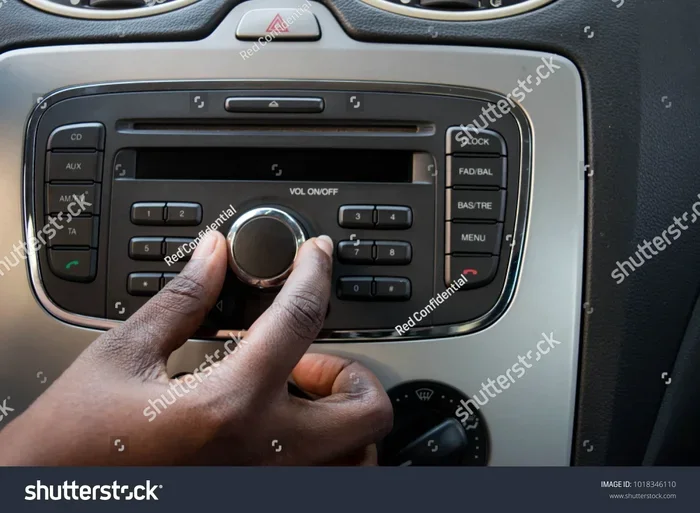
- Turn on your car stereo and set it to the AM or FM band you want.
- Use the tune knob or arrow buttons to scan through the frequencies slowly.
- Listen carefully for the station you want. The sound will become clearer as you get closer to the right frequency.
- Once you find the station, stop turning and let the stereo lock on.
- If your stereo has a seek function, press it and the stereo will automatically find the next strong station.
Manual tuning takes a little patience, but it lets you find stations that auto-scan might skip. It is especially useful when you are in an area with weak signals or many overlapping stations.
Using Auto Scan and Preset Functions
Most modern car stereos come with auto scan and preset features. These make retuning much faster and more convenient.
The auto scan function automatically searches through all available frequencies. When it finds a strong station, it stops and lets you save it. This is great for discovering new stations in your area.
To use presets:
- Press the preset or memory button on your stereo.
- The stereo will scan and display available stations.
- Select the station you want and assign it to a preset number.
- Repeat for other stations you listen to regularly.
Once your presets are set, you can jump to your favorite stations with a single button press. This saves time and makes driving safer since you do not have to fiddle with the dial while on the road.
Retuning Digital and Smart Radios
Many newer cars come with digital or smart radio systems. These include DAB (Digital Audio Broadcasting) and satellite radio options. Retuning these systems is slightly different from traditional FM or AM radios.
For DAB radio, the auto scan function is usually the best option. Digital signals are clearer and less prone to static, so tuning is more straightforward. Your stereo will display station names and numbers instead of just frequencies.
Satellite radio systems like SiriusXM require a subscription and a special receiver. Retuning involves refreshing the channel list through the system menu. If your signal drops, try resetting the receiver or checking your subscription status.
Digital tuning is more reliable than analog tuning, but it still benefits from a good antenna and clear line of sight to the broadcast source.
Comparing Manual and Auto Tuning
Both manual and auto tuning have their place. Here is a quick comparison to help you choose the right method.
| Feature | Manual Tuning | Auto Scan Tuning |
|---|---|---|
| Control | Full manual control | Automatic station finding |
| Speed | Slower, requires patience | Fast, scans all frequencies |
| Precision | Very precise for weak signals | May skip weak stations |
| Best For | Finding specific stations | Discovering new stations |
| Skill Level | Requires some practice | Easy for all users |
| Battery Use | Low | Slightly higher |
Manual tuning is best when you know exactly what station you want and need to find it precisely. Auto scan is ideal for quickly finding all available stations in your area. Many drivers use both methods depending on the situation.
Common Radio Tuning Problems and How to Fix Them
Static and Interference Issues
Static is the most common radio problem drivers face. It sounds like crackling or hissing noise that covers the music or voice. Several things cause static, and each has a simple fix.
- Move your car to a different location. Buildings and terrain block radio signals.
- Check your antenna connection. A loose antenna is one of the top causes of static.
- Turn off nearby electronics that might interfere with your car audio system.
- Switch from AM to FM or vice versa. Sometimes one band has less interference than the other.
- Check the weather. Thunderstorms and heavy rain can increase static significantly.
If static persists after trying these steps, your antenna might need replacement. Antennas wear out over time, especially in harsh weather conditions.
Losing Stations Frequently
Do you find your radio keeps jumping to different stations or going silent? This is a frustrating problem, but it usually has a clear cause.
The most common reason is a weak antenna signal. As you drive, your position relative to broadcast towers changes. A damaged or poorly connected antenna cannot hold onto weak signals. Check your antenna for damage and make sure the cable is secure.
Another cause is interference from your own car’s electrical system. Old wiring, faulty alternators, or aftermarket electronics can all create noise that disrupts your radio frequency reception. If the problem started after installing a new device, that device might be the culprit.
Expert Insight: “Many drivers do not realize that their car’s electrical system can interfere with radio tuning. A simple grounding fix or wiring check often solves the problem completely.”
One-Sided or Distorted Sound
If your radio sounds like it is only coming from one speaker, or the sound is distorted, there are a few things to check.
First, check your stereo balance settings. Most car stereos let you adjust the balance between left and right speakers. If the balance is off-center, the sound will seem one-sided. Reset the balance to the center position and test again.
Distorted sound often comes from a weak signal or a problem with the stereo itself. Try retuning to a stronger station. If the distortion goes away, the original station signal was simply too weak. If distortion persists across all stations, your stereo may need professional inspection.
Tips for Better Radio Reception While Driving
Driving Habits That Affect Radio Quality
Your driving habits can surprisingly affect your radio quality. Here are some habits that help and some that hurt.
Habits that improve reception:
- Drive on open roads away from tall buildings when possible.
- Avoid driving through areas with heavy power lines or industrial equipment.
- Keep your windows up when searching for a station.
- Park facing toward the nearest broadcast tower when you want to tune in.
Habits that hurt reception:
- Driving through tunnels or underground parking lots cuts off your signal.
- Using too many electronic devices at once can create interference.
- Ignoring antenna maintenance leads to gradual signal loss.
If you are driving a hybrid vehicle, you might notice that your radio behaves differently when the car switches between electric and gas power. This happens because the electrical system changes during the transition. Understanding at what speed a hybrid switches from electric to gas can help you anticipate these changes and adjust your radio tuning accordingly. You can learn more about this in our guide on when hybrids switch power sources.
How Fuel Efficiency Connects to Your Driving Experience
When you are driving long distances searching for better radio reception, fuel efficiency matters. You do not want to waste petrol just to find a clearer signal. Understanding how far you can travel on a small amount of fuel helps you plan your trips better.
For example, knowing how many kilometers you can get from 1 litre petrol helps you estimate how far you can drive on a single tank. This means you can explore areas with stronger signals without worrying about running low on fuel. Similarly, understanding 1 liter petrol how many km in car gives you confidence to drive further for better reception. You can find detailed information about fuel distance in our article on how far 1 litre petrol takes you and also learn more in our guide on 1 liter petrol how many km in car.
Here are some quick tips to combine fuel efficiency with better radio hunting:
- Plan your route to pass through areas with known strong signals.
- Keep your fuel tank at least half full for longer searching trips.
- Use your car’s fuel economy display to track efficiency while driving.
- Combine radio retuning with regular fuel stops to save time.
Quick Fixes for On-the-Go Retuning
Sometimes you need a fast fix while driving. Here are some quick tips that work in seconds.
- Press the seek or scan button to quickly find the next strong station.
- Turn the volume up slightly. This can help you detect weak signals you might otherwise miss.
- Switch between AM and FM to see if the other band has a clearer version of the same station.
- Reset your stereo by turning it off and back on. This clears temporary glitches.
- Check your preset stations. Sometimes a preset gets corrupted and needs to be re-saved.
These quick fixes are not permanent solutions, but they help in a pinch. They are especially useful during long road trips when you want to keep listening without stopping.
When to Seek Professional Help for Radio Issues
Signs Your Radio Needs Expert Attention
Most radio tuning problems are easy to fix at home. But some issues need professional help. Here are signs that it is time to see an expert.
- Your radio produces no sound at all, even after retuning and checking the antenna.
- You hear a persistent buzzing or humming noise that does not go away.
- Your stereo display shows error messages or does not respond to any buttons.
- The radio works only intermittently, cutting in and out without explanation.
- You notice a burning smell or see smoke coming from the stereo unit.
These symptoms suggest deeper electrical or hardware problems. A professional can diagnose the issue safely and recommend the right repair.
Choosing the Right Car Audio Specialist
When you need professional help, choosing the right specialist matters. Look for technicians who specialize in car audio and electrical systems. Ask friends for recommendations or check online reviews.
A good specialist will inspect your entire audio system, not just the radio. They will check your antenna, wiring, stereo unit, and speakers. They can also upgrade your system if you want better sound quality.
Regular car maintenance that includes audio system checks keeps everything working smoothly. Schedule a professional inspection at least once a year, especially before long road trips.
Common Mistakes to Avoid When Retuning Your Radio
Even with the best intentions, some mistakes make radio retuning harder than it needs to be. Here are the most common errors drivers make.
- Rushing the tuning process: Patience is key. Turn the dial slowly and listen for the clearest signal.
- Ignoring the antenna: Many people forget to check the antenna first, even though it is the most common cause of poor reception.
- Tuning in a bad location: Parking next to a tall building or under power lines makes it harder to find clear signals.
- Forgetting to save presets: If you find a great station, save it right away. You will thank yourself later.
- Using the wrong band: Make sure you are on AM or FM depending on your station. Switching bands can solve many problems instantly.
- Overlooking electrical interference: Other devices in your car can disrupt your radio signal. Turn them off when tuning.
Avoiding these mistakes saves time and frustration. It also protects your stereo from unnecessary wear.
Quick Tips for Perfect Radio Tuning Every Time
- Retune your radio after installing a new battery or electrical component.
- Clean your antenna connector with a dry cloth every few months.
- Update your stereo firmware if your car supports digital updates.
- Keep a list of your favorite station frequencies written down in your glove box.
- Test your radio reception in different locations to find the best spots in your area.
- Use the seek function at night when radio signals travel farther.
These small habits make a big difference over time. They keep your radio sounding great without any extra effort.
Conclusion
How do you retune a radio is a question with a simple answer once you know the steps. Whether you use manual tuning or auto scan, the process is straightforward and takes just a few minutes. Start by checking your antenna and finding a quiet location. Then use the steps in this guide to find your station and save it as a preset.
Regular maintenance keeps your radio working at its best. Clean your antenna, check your wiring, and update your stereo when possible. These small actions prevent most common tuning problems before they start.
Remember that driving habits and location affect your radio quality more than many people realize. If you drive a hybrid vehicle, pay attention to how power transitions affect your stereo. And when you are planning long trips, consider fuel efficiency alongside your radio needs.
With the tips and tricks in this guide, you will never have to endure a bad radio signal again. Keep this page bookmarked for quick reference, and share it with fellow drivers who struggle with the same issue. Happy listening.