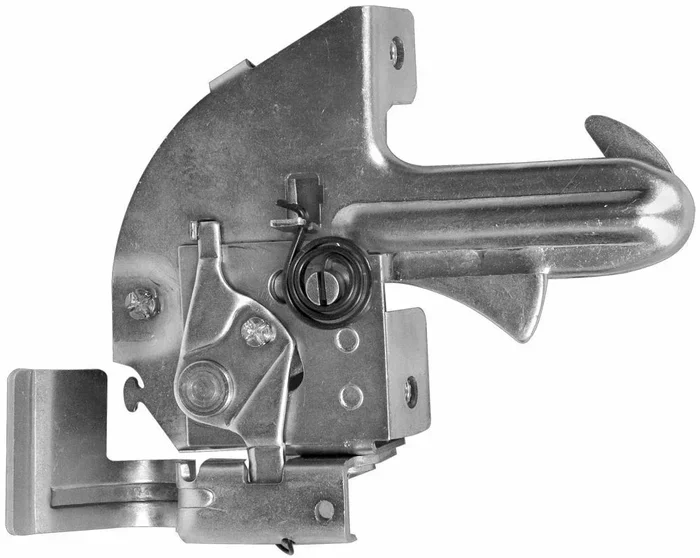
How Does a Truck Hood Latch Work and Why It Matters
A truck hood latch is a simple but essential mechanism that keeps your hood securely closed while driving. It uses a combination of levers, springs, and cables to lock and release the hood with ease. Understanding how this system works helps you troubleshoot problems, perform basic maintenance, and avoid costly repairs down the road.
Have you ever popped the hood on your truck and wondered what makes it stay shut while you tear down the highway? The answer lies in a small but mighty device called the truck hood latch. This unassuming piece of hardware plays a big role in keeping your engine safe and your truck running smoothly. Without a working hood latch, your hood could fly open at high speed, causing a dangerous situation. In this guide, we will break down exactly how a truck hood latch works and why it matters more than you might think.
The hood latch system may look simple from the outside, but it involves several working parts that all need to cooperate. From the release lever inside your cab to the latch mechanism on the hood itself, every component has a job. Whether you are a DIY mechanic or just a curious truck owner, understanding this system gives you real value. You will learn how the latch operates, what goes wrong over time, and how to keep it in top shape. Let us dive right in.
Key Takeaways
- Core Mechanism: A truck hood latch relies on a lever, spring, cable, and striker plate to lock and release the hood.
- Types Matter: There are several hood latch types, including manual, cable-operated, and electronic latches.
- Common Problems: Sticking, jamming, and spring fatigue are the most frequent hood latch issues drivers face.
- Regular Maintenance: Simple steps like lubrication and inspection can extend your hood latch lifespan significantly.
- Safety First: A faulty hood latch can be dangerous, causing the hood to fly open while driving.
- Replacement is Affordable: Most hood latch assemblies are inexpensive and easy to replace at home.
- Fuel Economy Link: A damaged hood latch can affect aerodynamics and reduce your fuel efficiency.
📑 Table of Contents
What Is a Truck Hood Latch?
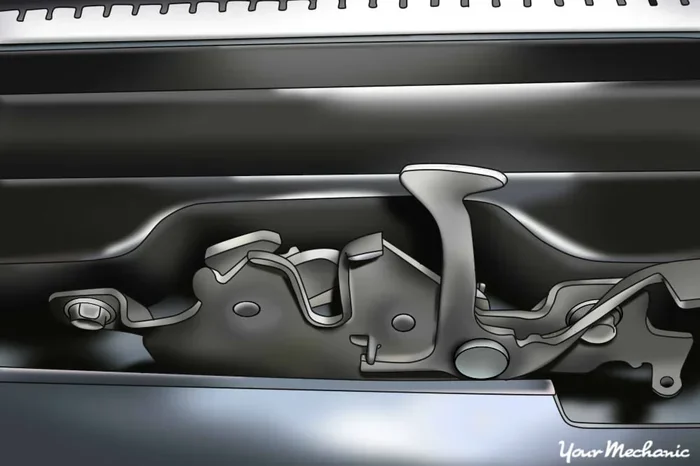
A truck hood latch is a mechanical device that secures the hood of your truck to the frame. It prevents the hood from opening accidentally while you are driving. At the same time, it allows you to open the hood easily when you need to check the engine or add fluids. Most trucks use a two-stage latch system. The first stage releases the hood, and the second stage actually lifts it. This two-step design adds a layer of safety.
The basic idea behind any hood latch is simple. You pull a lever or handle inside your truck. This action releases a latch that holds the hood down. The hood then pops up slightly, giving you room to reach underneath and fully open it. The entire process relies on a combination of mechanical force, springs, and sometimes cables. It is a brilliant example of simple engineering doing a big job.
Key Components of a Hood Latch System
Several parts work together to make your hood latch function. Let us look at each one closely:
- Release Lever: This is the handle or lever you pull inside your cab. It is connected to the latch through a cable or linkage.
- Hood Latch Cable: A steel cable that runs from the release lever to the latch mechanism. It transmits your pull to the latch.
- Latch Mechanism: The actual hook or clamp that grabs onto the hood and holds it shut.
- Spring: A coiled spring that provides tension to keep the latch engaged and to help return the release lever to its original position.
- Striker Plate: A metal plate mounted on the truck frame that the latch hooks onto. It provides a solid surface for the latch to grab.
- Hood Hinge: While not part of the latch itself, the hinge works alongside the latch to allow the hood to pivot open and closed.
Each of these hood latch components plays a vital role. If even one part fails, the whole system can stop working properly. That is why regular inspection matters so much.
How Does a Truck Hood Latch Work?
Now let us get into the mechanics. Understanding the hood latch mechanism step by step makes it much easier to diagnose problems. The process is straightforward once you see how the parts interact.
The Release Process
When you pull the hood release lever inside your truck, here is what happens:
- Your hand pulls the release lever located on the driver side floor or below the dashboard.
- The lever pulls on the hood latch cable, which is a thin steel cable housed in a protective sheath.
- The cable slides forward and pushes or pulls on the latch mechanism under the hood.
- The latch mechanism disengages from the striker plate.
- The spring inside the latch pushes the hood up slightly, creating a gap.
At this point, the hood is not fully open. It has only popped up about one to two inches. This is the first stage of release. You then walk to the front of the truck, reach under the slightly raised hood, and push the secondary latch to the side. This second latch fully releases the hood, allowing you to lift it completely.
The Latching Process
Closing the hood is just as important as opening it. Here is how the hood latch locking process works:
- You lower the hood onto the truck frame.
- The weight of the hood pushes down on the latch mechanism.
- The latch hook catches onto the striker plate.
- The spring inside the latch keeps tension on the hook, ensuring a snug fit.
- The hood is now securely locked in place.
The spring tension is critical here. It ensures the latch stays engaged even when your truck is bouncing over rough roads. A weak spring can cause the hood to rattle or, in worst cases, open while driving. This is why checking your spring condition during routine maintenance is so important.
Types of Truck Hood Latches
Not all hood latches are the same. Different trucks use different systems depending on the make, model, and intended use. Let us explore the most common hood latch types you will encounter.
Manual Hood Latches
Manual hood latches are the most common type. They use a physical cable connected to a release lever inside the cab. You pull the lever, the cable releases the latch, and the hood pops up. These latches are reliable, affordable, and easy to repair. Most older trucks and many modern ones still use this simple and proven design.
Cable-Operated Hood Latches
Cable-operated latches are very similar to manual ones but use a more refined cable system. The cable often has a plastic or rubber sheath that protects it from dirt and rust. These latches offer smoother operation and require less force to release. Many modern trucks come with cable-operated systems as standard equipment.
Electronic or Power Hood Latches
Some newer trucks and luxury models feature electronic hood latches. These use an electric motor or solenoid to release the latch. You simply press a button inside your cab, and the motor pops the hood open. These systems are convenient but more complex. They also cost more to repair if something goes wrong.
Secondary Safety Latches
Many trucks include a secondary safety latch as an extra precaution. This latch prevents the hood from fully opening if the primary latch fails. It is a simple but effective safety feature. The secondary latch usually requires you to reach under the hood and manually release it. This design has been a standard safety feature in trucks for decades.
| Latch Type | Operation | Complexity | Cost | Common In |
|---|---|---|---|---|
| Manual | Lever and cable | Low | Low | Older trucks, basic models |
| Cable-Operated | Sheathed cable and lever | Low to Medium | Low to Medium | Most modern trucks |
| Electronic | Button or switch activated | High | High | New luxury and heavy-duty trucks |
| Secondary Safety | Manual under-hood release | Low | Low | Most trucks with primary latches |
Common Hood Latch Problems
Like any mechanical part, a hood latch assembly can develop problems over time. Knowing what to look for helps you catch issues early before they become expensive repairs. Here are the most common problems truck owners face.
Sticking or Jamming
A sticky hood latch is one of the most frequent complaints. You pull the release lever, but nothing happens. Or the hood opens slowly and awkwardly. This usually happens because dirt, rust, or debris builds up inside the latch mechanism. Road salt, moisture, and grime can all cause this problem. Regular cleaning and lubrication can prevent sticking almost entirely.
Broken or Stretched Hood Latch Cable
The hood latch cable is under constant tension every time you open and close the hood. Over time, the cable can stretch, fray, or even snap. A broken cable means you cannot release the hood from inside the cab. In most cases, you can still open the hood by reaching under and manually releasing the latch. But this is not convenient for daily use. Replacing a cable is usually inexpensive and straightforward.
Weak or Broken Spring
The spring inside the latch keeps tension on the hook. When this spring weakens or breaks, the hood may not stay securely latched. You might notice the hood rattling while driving or, worse, opening slightly on the highway. A weak spring is a safety hazard that should be fixed immediately. Replacing the spring or the entire latch assembly is usually quick and affordable.
Misaligned Striker Plate
The striker plate is the metal piece on the truck frame that the latch hooks onto. If it becomes misaligned, the hood may not close properly or may not latch securely. Misalignment can happen after a minor accident or from years of normal wear and tear. Adjusting the striker plate is usually a simple fix that involves loosening a few bolts and repositioning the plate.
Hood Latch Actuator Failure
For trucks with electronic or power hood latches, the actuator is the motor that does the releasing. If the actuator fails, the hood will not open when you press the button. This is a more complex repair that may require a professional mechanic. However, actuators are built to last, so this problem is relatively rare.
Quick Tips for Hood Latch Care
- Spray the latch mechanism with a silicone-based lubricant every 6 months.
- Wipe down the latch area after driving in salty or muddy conditions.
- Check the hood latch cable for fraying during every oil change.
- Test the hood spring tension by opening and closing the hood regularly.
- Never force the hood open if it feels stuck. Investigate the cause first.
Why Hood Latch Maintenance Matters
Some truck owners ignore the hood latch until something goes wrong. This is a mistake. Regular maintenance of your hood latch system keeps your truck safe and prevents unexpected headaches. A well-maintained latch also contributes to better overall truck performance.
Did you know that a damaged or poorly sealed hood latch can affect your fuel economy? When the hood does not sit flush, it creates drag and disrupts airflow over the truck. This increases wind resistance and forces your engine to work harder. If you want to learn more about how small factors affect your mileage, check out our guide on 1 Litre Petrol How Many Km In Car to understand how tiny changes can add up. Similarly, you can read about 1 Liter Petrol How Many Km Car for more insights on fuel efficiency factors.
Basic Maintenance Steps
Here is a simple maintenance routine you can follow to keep your hood latch in great shape:
- Visual Inspection: Every month, look at the latch mechanism for signs of rust, corrosion, or damage.
- Cleaning: Use a damp cloth to wipe down the latch and striker plate. Remove any dirt or debris.
- Lubrication: Apply a silicone spray or white lithium grease to all moving parts. Avoid WD-40 as a long-term lubricant because it can wash away quickly.
- Cable Check: Inspect the hood latch cable for any signs of wear, fraying, or kinking.
- Spring Test: Open and close the hood several times. The latch should engage firmly each time without sticking.
- Adjustment: If the hood does not sit flush, check the striker plate alignment and adjust as needed.
Following these simple steps takes only a few minutes each month. But the payoff is huge. A well-maintained hood latch lasts for years and keeps your truck safe on the road.
When Should You Replace Your Hood Latch?
Sometimes maintenance is not enough, and a full replacement becomes necessary. Knowing the signs of a failing latch helps you act before a small problem turns into a big one. Here are the clear signs that you need a hood latch replacement:
- The hood does not stay closed even when the latch is fully engaged.
- The release lever feels loose or does not return to its original position.
- You hear rattling or clunking noises while driving.
- The hood latch cable has visible fraying or damage.
- The spring inside the latch feels weak or is visibly broken.
- The latch mechanism is heavily rusted and does not move smoothly.
Replacing a hood latch assembly is usually a straightforward job. Most latch assemblies cost between 30 and 80 dollars, depending on your truck model. You can find detailed instructions online or in your truck’s service manual. If you are comfortable working with basic tools, this is a great DIY project. However, if you are not confident, a mechanic can do the job quickly and affordably.
Step-by-Step Replacement Overview
Here is a quick overview of what the replacement process looks like:
- Open the hood and locate the latch assembly on the front of the truck frame.
- Disconnect the hood latch cable from the latch mechanism.
- Remove the bolts that secure the latch to the frame.
- Take out the old latch assembly.
- Install the new latch assembly and secure it with bolts.
- Reconnect the hood latch cable.
- Test the latch by opening and closing the hood several times.
- Adjust the striker plate if needed for a snug fit.
Always make sure the hood is fully closed and latched before you start driving. A loose hood latch is a serious safety risk. Take a few extra seconds to confirm it is secure every time.
Expert Insights on Hood Latch Performance
We asked experienced truck mechanics about the most common hood latch mistakes they see. Their advice highlights why understanding your latch system matters:
Neglecting lubrication is the number one mistake. Many truck owners never think about the hood latch until it starts sticking or failing. A few sprays of silicone lubricant every six months can prevent most problems before they start.
Ignoring small warning signs is dangerous. A slight rattle or a hood that does not close as tightly as it used to might seem minor. But these are early signals of a failing latch. Catching them early saves you from a potentially hazardous hood fly-open situation on the highway.
Using the wrong lubricant causes more harm than good. Some owners spray WD-40 or motor oil on the latch. These products attract dirt and can actually speed up wear. Silicone spray or white lithium grease are the best choices for hood latch maintenance.
Aftermarket latches vary in quality. If you need a replacement, always choose a latch that matches your truck’s specifications. Cheap aftermarket latches may save money upfront but often wear out faster and do not provide the same level of security.
It is also worth noting that truck aerodynamics play a role in overall vehicle efficiency. A poorly sealed hood creates drag that affects how your truck moves through the air. This connects to broader vehicle performance topics. For instance, understanding at what speed does a hybrid switch from electric to gas can give you a broader perspective on how different vehicle systems interact with efficiency and performance.
Key Takeaways
- Core Mechanism: A truck hood latch relies on a lever, spring, cable, and striker plate to lock and release the hood.
- Types Matter: There are several hood latch types, including manual, cable-operated, and electronic latches.
- Common Problems: Sticking, jamming, cable stretch, and spring fatigue are the most frequent hood latch issues drivers face.
- Regular Maintenance: Simple steps like lubrication and inspection can extend your hood latch lifespan significantly.
- Safety First: A faulty hood latch can be dangerous, causing the hood to fly open while driving.
- Replacement is Affordable: Most hood latch assemblies are inexpensive and easy to replace at home.
- Fuel Economy Link: A damaged hood latch can affect aerodynamics and reduce your fuel efficiency.
Conclusion
The truck hood latch may not be the flashiest part of your vehicle, but it is one of the most important. It keeps your hood securely closed, protects your engine, and contributes to your truck’s overall safety and performance. Understanding how the hood latch mechanism works empowers you to take better care of your truck and catch problems early.
Regular maintenance goes a long way. A little lubrication, a quick inspection, and prompt attention to warning signs can keep your hood latch working flawlessly for years. When the time comes for a replacement, the process is simple and affordable. Do not wait until a small issue becomes a big safety hazard.
Your truck hood latch is a small component with a big impact. Treat it well, and it will serve you reliably mile after mile. Now that you understand how it all works, you are better equipped to keep your truck in top shape.
Frequently Asked Questions
How much does it cost to replace a truck hood latch?
Most hood latch assemblies cost between 30 and 80 dollars for parts alone. If you hire a mechanic, labor adds around 50 to 100 dollars. The total cost is usually under 150 dollars for a standard replacement.
Can I drive my truck with a broken hood latch?
It is not recommended. A broken hood latch can allow the hood to open while driving, blocking your visibility and creating a serious safety hazard. If your latch is broken, get it repaired or replaced as soon as possible.
What lubricant should I use on my hood latch?
Silicone spray or white lithium grease are the best choices. Avoid WD-40 as a long-term lubricant because it attracts dirt and washes away quickly. Apply lubricant every 3 to 6 months for best results.
Why does my hood latch keep sticking?
Sticking is usually caused by dirt, rust, or lack of lubrication. Road salt and moisture are the biggest culprits. Clean the latch mechanism thoroughly and apply a quality lubricant to fix the problem.
How often should I inspect my hood latch?
A visual inspection every month is ideal. Check for rust, cable wear, and smooth operation. You should also test the latch during every oil change to make sure everything is working properly.
Are electronic hood latches better than manual ones?
Electronic hood latches offer convenience and a modern feel, but they are more complex and expensive to repair. Manual latches are simpler, more reliable, and easier to maintain. For most truck owners, a manual or cable-operated latch is the best choice.