How to Get Rid of TPMS Light Without Visiting a Mechanic
A glowing TPMS light can stress any driver, but you do not always need a mechanic to fix it. This guide walks you through simple, proven methods to reset and resolve your TPMS light at home. You will learn how to check tire pressure, use reset buttons, and prevent future warnings with easy maintenance tips.
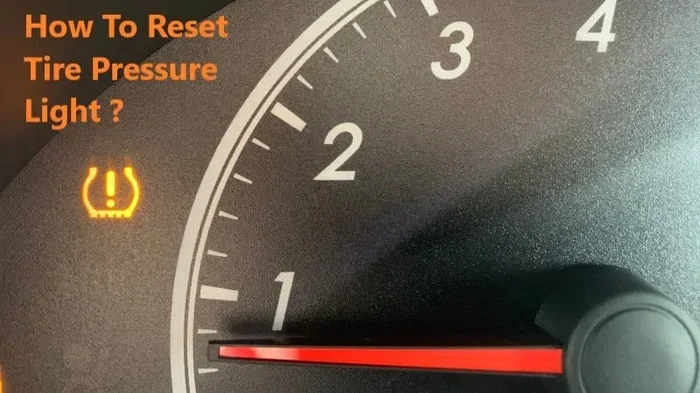
That little yellow horseshoe-shaped icon with an exclamation mark just popped up on your dashboard. Your TPMS light is on, and suddenly you are wondering what went wrong. The good news is that you do not need to rush to the mechanic for every tire pressure monitoring system warning. In most cases, you can fix this yourself at home with simple tools and a few minutes of your time.
A TPMS light is your car’s way of telling you that something is off with your tire pressure. It might be as simple as one tire losing a little air overnight. Or it could be a sensor that needs a new battery. Either way, understanding what triggers this dashboard indicator puts you in control. This guide covers every method you can use to get rid of the TPMS light without ever leaving your driveway.
Before you try any fixes, it helps to understand what the TPMS light actually means. The tire pressure monitoring system uses sensors inside each wheel to measure air levels. When pressure drops below the recommended level, the system sends a signal to your car’s computer. That signal triggers the warning light on your dashboard. Sometimes the light stays on even after you fix the pressure. That is when you need to reset the system. Let us walk through every step.
Key Takeaways
- Check tire pressure first: Low tire pressure is the most common trigger for a TPMS light and the easiest fix.
- Use the reset button: Most vehicles have a simple TPMS reset button under the dashboard that clears the warning light in seconds.
- Try a battery disconnect: Disconnecting your car battery for a few minutes can reset the entire system and turn off the light.
- Use an OBD scanner: An OBD scanner tool gives you error codes and lets you clear the tire pressure warning without a mechanic.
- Replace the TPMS battery: A dead sensor battery often causes the light to stay on, and it is a cheap and easy replacement.
- Prevent future issues: Regular tire maintenance and seasonal pressure checks keep your TPMS sensor working properly.
📑 Table of Contents
- What Is a TPMS Light and Why Does It Matter?
- Common Reasons Your TPMS Light Comes On
- How to Get Rid of TPMS Light: Step-by-Step Methods
- When to See a Mechanic Instead
- Preventing TPMS Light Issues in the Future
- Common Mistakes People Make with TPMS Lights
- Expert Insights on TPMS Maintenance
- Key Takeaways
- Conclusion
What Is a TPMS Light and Why Does It Matter?
How the Tire Pressure Monitoring System Works
Your car’s tire pressure monitoring system is a smart safety feature. Each wheel has a small sensor, usually located inside the tire near the valve stem. These sensors measure the air pressure inside each tire and send the data to your car’s central computer. If the pressure drops by about 25 percent below the recommended level, the TPMS light turns on. This is your early warning system for potential tire problems.
The sensors also monitor temperature changes that affect air pressure inside the tire. Cold weather can cause air to contract, which sometimes triggers a false tire pressure warning. Understanding this helps you know when the light is a real problem and when it is just a seasonal fluke.
What Your Dashboard Is Trying to Tell You
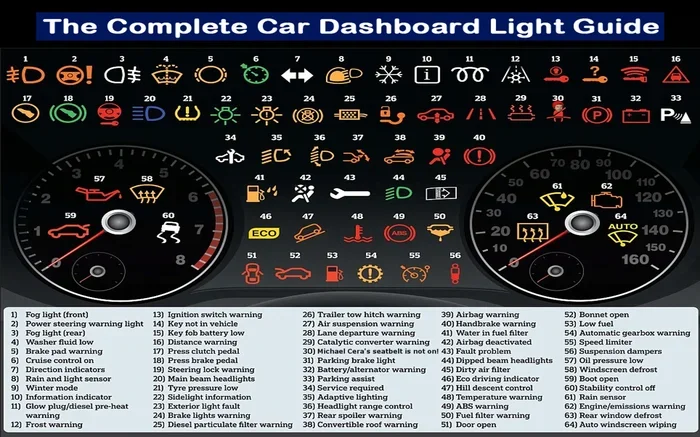
The TPMS light can appear in two ways. It might flash for about 60 to 90 seconds when you start the car and then stay steady. Or it might stay on constantly. A flashing light usually means a malfunction in the TPMS sensor system itself. A steady light typically means one or more tires have low pressure. Either way, you should check your tires as soon as possible. Driving on underinflated tires reduces fuel efficiency and can be dangerous.
Keeping your tires properly inflated does more than just keep the warning light off. It improves your tire health, extends the life of your tires, and even boosts fuel economy. In fact, proper tire pressure can make a noticeable difference in how many kilometers you get per liter of fuel, which is something we explored in detail in our guide on 1 liter petrol how many km in car.
Common Reasons Your TPMS Light Comes On
Low Tire Pressure
The number one reason for a TPMS light is simply low tire pressure. A tire can lose one or two PSI over a few weeks without you noticing. Even a small leak from a nail or a faulty valve stem can trigger the warning. Temperature changes also play a big role. When the weather gets cold, the air inside your tires contracts, and pressure drops. This is why many drivers see the TPMS light more often in winter.
Here are the most common causes of low tire pressure:
- Slow leaks from punctures or nails in the tire
- A damaged or corroded valve stem
- Temperature drops causing air contraction
- Normal air loss over time through the tire rubber
- Improper tire inflation after a recent fill
Faulty TPMS Sensor
Sometimes the problem is not the tire at all. The TPMS sensor itself can fail or malfunction. Sensors have a limited lifespan, usually around five to ten years. When a sensor stops working, it cannot send accurate pressure readings to your car’s computer. The result is a persistent tire pressure warning that does not go away even after you inflate your tires properly.
Each sensor has a small battery inside that powers the wireless signal. When that battery dies, the sensor stops communicating with your car. This is one of the most common reasons a TPMS light stays on after you have already fixed the tire pressure.
TPMS Battery Failure
The battery inside a TPMS sensor typically lasts between five and ten years. Once the battery dies, the sensor cannot transmit data. Your car’s computer then interprets this as a system malfunction and keeps the warning light on. Replacing the TPMS battery is usually inexpensive and straightforward, but it requires accessing the sensor inside the tire.
Some modern vehicles display individual sensor status on the dashboard. If you notice that the light only comes with a specific tire icon, that points to a battery or sensor issue with that particular wheel.
How to Get Rid of TPMS Light: Step-by-Step Methods
Now that you understand why the light comes on, let us look at how to actually get rid of it. These methods work for most vehicles and require no special mechanical skills. You will need a few basic tools, but most of what you need is already in your garage or glovebox.
Method 1: Check and Adjust Tire Pressure
This is the first and most important step. Before you try anything else, check the pressure in all four tires, including the spare. You can find the recommended pressure level on a sticker inside the driver’s door frame or in your owner’s manual. Here is what to do:
- Remove the cap from the valve stem on each tire
- Press a tire pressure gauge firmly onto the valve stem
- Read the PSI number and compare it to the recommended level
- Add air if the pressure is low, or release some if it is too high
- Replace the valve cap on each tire
After adjusting the pressure, drive your car for a few minutes at around 50 km/h. In many vehicles, the TPMS light will turn off automatically once the system registers the correct pressure. If it does not, move on to the next method.
Keep in mind that tire pressure changes with temperature. A tire that reads low in the morning might be perfectly fine after driving for an hour. Always check tire pressure when the tires are cold for the most accurate reading.
Method 2: Use the TPMS Reset Button
Most cars built after 2007 have a dedicated TPMS reset button. This button is usually located beneath the steering wheel, near the dashboard area. Some vehicles place it in the glove box or under the hood. Check your owner’s manual to find the exact location for your specific model.
Here is how to use the reset button:
- Make sure all tires are at the correct pressure
- Turn the ignition to the “on” position but do not start the engine
- Press and hold the TPMS reset button until the warning light blinks three times
- Release the button
- Start the engine and let the car idle for about 20 minutes
The system will recalibrate and the TPMS light should turn off. This method works wonders for lights that stay on after a simple pressure adjustment. If the light comes back after a few days, there may be a deeper issue to investigate.
Method 3: Disconnect the Car Battery
Resetting the car battery is a trick that works for many electronic warning lights, including the TPMS light. When you disconnect the battery, the car’s computer clears all stored error codes and resets to factory defaults. Here is how to do it safely:
- Park the car and turn off the engine
- Open the hood and locate the car battery
- Use a wrench to loosen the negative (black) battery cable first
- Disconnect the cable and wait for 10 to 15 minutes
- Reconnect the cable and tighten it securely
- Start the car and check if the TPMS light is off
This method is simple but effective. However, keep in mind that disconnecting the battery may also reset other settings in your car, such as the radio presets or clock. You will need to reprogram those after reconnecting the battery.
Understanding how your car’s various systems interact helps you become a more informed driver. For example, if you are also curious about at what speed does a hybrid switch from electric to gas, that is a different topic but shares the same theme of understanding how your car’s systems work and what the warning lights mean.
Method 4: Use an OBD Scanner Tool
An OBD scanner is one of the most powerful tools for diagnosing and clearing TPMS light issues. OBD stands for On-Board Diagnostics, and every modern car has an OBD port. This port lets you connect a scanning tool that reads error codes from your car’s computer.
Here is how to use an OBD scanner to clear the TPMS light:
- Locate the OBD port in your car. It is usually under the dashboard on the driver’s side
- Plug the OBD scanner into the port
- Turn the ignition to the “on” position
- Follow the scanner’s instructions to read the error codes
- Look for codes related to the tire pressure monitoring system
- Select the option to clear or reset the codes
- Disconnect the scanner and start the car
OBD scanners range from basic code readers to advanced diagnostic tools. You can buy a basic scanner for under $30 at most auto parts stores. The scanner not only helps you clear the TPMS light but also tells you exactly which sensor or system is causing the problem. This is incredibly useful if the light keeps coming back.
An OBD scanner is a great investment for any car owner. It gives you access to your car’s health information without paying a mechanic for a diagnostic fee. The same principle applies to fuel efficiency, which we covered in our article on 1 litre petrol how many km in car, where proper maintenance directly impacts performance.
When to See a Mechanic Instead
While most TPMS light issues can be resolved at home, there are times when professional help is the right call. If you have tried all the methods above and the light keeps coming back, it is time to visit a mechanic. Here are the signs that point to a deeper problem:
- The TPMS light flashes for more than 90 seconds when you start the car
- One specific tire sensor consistently fails even after replacement
- You notice a slow leak that you cannot locate or fix yourself
- The tire pressure monitor shows erratic readings that change randomly
- The TPMS light comes on alongside other warning lights on the dashboard
Mechanics have specialized tools that can test each TPMS sensor individually. They can also check the wheel speed sensor and the car’s computer module for deeper issues. A professional diagnostic costs between $50 and $100 in most areas, which is much less than replacing a sensor unnecessarily.
Sometimes the valve stem inside the tire is damaged and needs replacement. This is a quick and affordable repair that a mechanic can do in minutes. Do not ignore a persistent TPMS light, because driving on underinflated tires increases fuel consumption, reduces tire life, and compromises safety.
Preventing TPMS Light Issues in the Future
The best way to deal with a TPMS light is to prevent it from coming on in the first place. Regular tire maintenance takes just a few minutes each month and saves you from unnecessary trips to the mechanic. Here are some simple habits that keep your tire pressure monitoring system working properly.
Check Tire Pressure Monthly
Get into the habit of checking your tire pressure at least once a month. Use a reliable tire pressure gauge and compare the readings to your car’s recommended PSI. Do not forget to check the spare tire as well. Many people overlook the spare until they actually need it, and a dead TPMS sensor in the spare wheel can cause unexpected warnings.
Invest in a Good Tire Pressure Gauge
The gauge that comes built into some gas station air pumps is often inaccurate. Invest in a quality digital tire pressure gauge for your home. A good gauge costs around $15 to $25 and gives you precise readings every time. This simple tool helps you catch slow leaks early before they trigger the TPMS light.
Rotate Your Tires Regularly
Tire rotation ensures even wear across all four tires. Uneven wear can affect how well each tire holds air pressure. Most manufacturers recommend rotating tires every 8,000 to 10,000 kilometers. Regular rotation also gives you the chance to inspect each tire for damage, embedded objects, or worn valve stems.
Replace TPMS Sensors on Schedule
TPMS sensors have a limited lifespan, and the internal battery eventually dies. Most sensors last between five and ten years. If your car is older and you have never replaced the sensors, consider doing so as part of routine tire maintenance. A new sensor with a fresh battery costs between $50 and $100 per unit, which is far cheaper than dealing with a persistent tire pressure warning light.
Keep Your Tires Properly Inflated for Seasonal Changes
Temperature swings between seasons can cause significant pressure changes. For every 10-degree drop in temperature, tire pressure decreases by about 1 PSI. During winter months, check your tire pressure more frequently and add air as needed. This simple habit prevents the TPMS light from coming on due to seasonal temperature drops.
Proper tire inflation is one of the easiest ways to maintain your car’s safety and efficiency. It keeps the ride smooth, improves handling, and ensures that your dashboard indicator stays off. A few minutes of attention each month goes a long way toward avoiding unexpected warnings.
Common Mistakes People Make with TPMS Lights
There are a few mistakes that drivers make when dealing with a TPMS light that can make the problem worse or waste your time. Here are the most common ones to avoid:
- Ignoring the light: Some drivers simply ignore the TPMS light and keep driving. This is dangerous because underinflated tires can overheat and fail, especially at high speeds.
- Overinflating the tires: Adding too much air to make the light go away is just as bad as driving on low pressure. Overinflated tires have less contact with the road, which reduces traction and handling.
- Resetting without fixing the cause: Using the reset button without first checking and adjusting tire pressure is a temporary fix at best. The light will come right back.
- Using the wrong pressure number: Every car model has a different recommended tire pressure. Always check the sticker on the driver’s door or your owner’s manual for the correct number.
- Neglecting the spare tire: The spare tire also has a TPMS sensor in many modern cars. A dead sensor in the spare can trigger the warning light.
Avoiding these mistakes saves you time, money, and frustration. It also keeps you safe on the road. A properly maintained tire pressure monitoring system is one of the simplest yet most important safety features in your vehicle.
Expert Insights on TPMS Maintenance
Automotive experts agree that proactive tire maintenance is the single best way to avoid TPMS problems. According to tire safety organizations, properly inflated tires improve fuel efficiency, extend tire life by up to 25 percent, and significantly reduce the risk of blowouts. The TPMS light is not something to fear. It is your car’s way of looking out for you.
Experienced mechanics also recommend keeping a tire pressure gauge in your glove box at all times. You never know when you will need to check pressure at a gas station or before a long road trip. A quick check takes less than a minute and can prevent a tire pressure warning from ruining your day.
When in doubt, refer to your vehicle’s owner manual. Every car model has specific instructions for the TPMS reset procedure and sensor maintenance. The manual also lists the recommended tire pressure for your specific make and model. Following these guidelines keeps your tire pressure monitoring system working reliably for years.
Key Takeaways
- Check tire pressure first: Low tire pressure is the most common trigger for a TPMS light and the easiest fix.
- Use the reset button: Most vehicles have a simple TPMS reset button under the dashboard that clears the warning light in seconds.
- Try a battery disconnect: Disconnecting your car battery for a few minutes can reset the entire system and turn off the light.
- Use an OBD scanner: An OBD scanner tool gives you error codes and lets you clear the tire pressure warning without a mechanic.
- Replace the TPMS battery: A dead sensor battery often causes the light to stay on, and it is a cheap and easy replacement.
- Prevent future issues: Regular tire maintenance and seasonal pressure checks keep your TPMS sensor working properly.
- Know when to call a pro: Persistent lights, flashing warnings, and recurring sensor failures need professional diagnosis.
Conclusion
Dealing with a TPMS light does not have to be stressful or expensive. With the right knowledge and a few basic tools, you can diagnose and fix most TPMS light issues on your own. Start by checking your tire pressure with a reliable gauge. If the pressure is fine, try the reset button or a battery disconnect. For more stubborn issues, an OBD scanner gives you the diagnostic power you need.
Prevention is always better than cure. Regular tire checks, timely sensor replacements, and seasonal pressure adjustments keep your tire pressure monitoring system working properly. These simple habits not only prevent the TPMS light from coming on but also improve your car’s safety, fuel efficiency, and overall performance.
Remember that the TPMS light exists to protect you. It is a safety feature, not an inconvenience. When it comes on, take it seriously, check your tires, and use the methods in this guide to resolve the issue. Most of the time, you can handle it yourself without ever stepping foot in a mechanic’s shop. Stay proactive, keep your tires in good shape, and enjoy the confidence that comes with a well-maintained vehicle.
Frequently Asked Questions
Can I drive with the TPMS light on?
You can drive short distances with the TPMS light on, but it is not recommended for long trips. The light usually means your tire pressure is too low, which affects handling and increases the risk of a blowout. Check your tire pressure as soon as possible and inflate to the recommended level before driving far.
How much does it cost to replace a TPMS sensor?
Replacing a TPMS sensor typically costs between $50 and $100 per sensor for the part alone. If you go to a mechanic for installation, add another $20 to $50 per sensor for labor. DIY replacement is possible with basic tools and can save you the labor cost entirely.
How often should I check my tire pressure?
You should check your tire pressure at least once a month and before any long trips. Temperature changes also affect pressure, so check more frequently during seasonal transitions. A quick check takes only a few minutes and keeps your TPMS light from coming on unexpectedly.
Does cold weather cause the TPMS light to come on?
Yes, cold weather is a very common trigger for the TPMS light. As temperatures drop, the air inside your tires contracts, which lowers the pressure. A drop of about 10 degrees Fahrenheit can reduce tire pressure by roughly 1 PSI. This is why many drivers notice the light more often in winter months.
Can a dead TPMS battery cause the light to stay on?
Absolutely. Each TPMS sensor has a small battery that typically lasts five to ten years. When the battery dies, the sensor cannot send data to your car’s computer. The system then interprets this as a malfunction and keeps the TPMS light on. Replacing the sensor battery or the entire sensor usually fixes this.
How do I know if my TPMS sensor needs replacement?
Signs that your TPMS sensor needs replacement include a persistent light even after inflating tires, erratic pressure readings, or a flashing TPMS light that stays on when you start the car. An OBD scanner can also read specific sensor error codes that point to a failing sensor. Most sensors last between five and ten years before needing replacement.