Car Windshield Replacement Guide Your Complete Resource
A car windshield replacement is one of the most important safety repairs you can make. Whether you have a small crack or a shattered windshield, understanding the process saves you time, money, and stress. This guide covers everything from choosing the right glass to aftercare tips that protect your investment.
Your car windshield does more than just keep the wind out. It plays a critical role in your vehicle’s structural strength. It supports the roof during a rollover. It helps airbags deploy correctly. And it gives your driver the clearest view of the road ahead. When a windshield gets damaged, it is not just a cosmetic issue. It is a serious safety concern.
Many drivers delay car windshield replacement because they worry about the cost or the hassle. But ignoring a cracked or chipped windshield can lead to bigger problems. A small crack can spread quickly with temperature changes or vibrations from driving. Over time, what starts as a minor rock chip can turn into a full windshield failure. That is why understanding the replacement process is so important.
This guide walks you through everything you need to know. We cover when replacement is necessary, what types of glass are available, how much it costs, and what to expect during the process. Whether you are dealing with a sudden crack or planning ahead, you will find practical advice here. Let us get into it.
Key Takeaways
- Safety First: A damaged windshield compromises your vehicle’s structural integrity and should be replaced promptly.
- Know Your Options: You can choose between OEM and aftermarket glass, each with different benefits and costs.
- Cost Varies Widely: Car windshield replacement costs range from $100 to $400+ depending on glass type and vehicle model.
- Professional vs DIY: While DIY kits exist, professional installation ensures proper sealing, calibration, and safety compliance.
- Insurance May Cover It: Many comprehensive insurance policies include windshield replacement with no deductible.
- Aftercare Matters: Proper curing time and care after replacement ensure a strong, lasting windshield seal.
📑 Table of Contents
- When Do You Need a Car Windshield Replacement
- Types of Windshield Glass Available
- How Much Does Car Windshield Replacement Cost
- Steps for Professional Car Windshield Replacement
- Can You Replace a Windshield Yourself
- Aftercare Tips for Your New Windshield
- Expert Insights on Car Windshield Replacement
- Common Mistakes to Avoid
- Conclusion
When Do You Need a Car Windshield Replacement
Not every windshield crack means full replacement. Sometimes a repair is enough. But knowing the difference can save you money and keep you safe. Here are the most common signs that you need a full replacement.
Cracks Longer Than Three Inches
Small chips and cracks under three inches can often be repaired. But once a crack exceeds that length, repair becomes unreliable. The windshield loses structural strength. And the crack can spread unpredictably. If you notice a crack growing, do not wait. Get it checked right away.
Damage in the Driver’s Line of Sight
Any damage directly in front of the driver should be treated seriously. Even a small chip in your line of sight can cause glare and distraction. This is especially dangerous at night or in bright sunlight. A car windshield replacement ensures a clear, unobstructed view. Your safety depends on it.
Multiple Cracks or Chips
When your windshield has several damage points, repair is usually not an option. Multiple cracks weaken the entire glass surface. They also make it harder for professionals to bond the glass properly. In these cases, full replacement is the safest and most practical choice.
Edge Damage
Damage near the edges of the windshield is particularly dangerous. The edges are where the glass meets the frame and adhesive. Cracks here can spread fast and compromise the entire seal. Edge damage almost always requires a full car windshield replacement rather than a simple repair.
Old or Pre-Existing Damage
If your windshield has older damage that has worsened over time, replacement is the best path forward. Temperature changes, road vibrations, and age all weaken damaged glass. What seemed minor months ago can become a serious hazard now. Do not take chances with old windshield damage.
Types of Windshield Glass Available
Not all windshields are the same. Understanding the different types of glass helps you make a smart choice. The glass you pick affects safety, clarity, cost, and fit.
OEM Windshield Glass
OEM stands for Original Equipment Manufacturer. This glass comes directly from the same factory that made your original windshield. It matches the exact specifications of your vehicle. The fit is perfect. The tint and thickness are identical. OEM glass also often comes with the automaker’s logo. Many drivers prefer OEM for its quality and reliability. However, it is usually the most expensive option.
Aftermarket Windshield Glass
Aftermarket glass is made by third-party manufacturers. It meets safety standards but may not match your original windshield exactly. The tint shade, thickness, or curvature might differ slightly. Aftermarket windshields are much more affordable than OEM options. For most drivers, aftermarket glass provides excellent quality at a lower price. It is a great choice for budget-conscious vehicle owners.
Laminated vs Tempered Glass
Modern car windshields use laminated glass. This means two layers of glass with a plastic layer sandwiched in between. This design prevents the glass from shattering into dangerous shards during a crash. Tempered glass is used in side and rear windows. It breaks into small, less dangerous pieces. Knowing the difference matters when you discuss replacement options with your technician.
Acoustic Windshield Glass
Some newer vehicles come with acoustic windshields. These have a special sound-dampening layer that reduces road noise inside the cabin. If your original windshield has this feature, replacing it with a standard glass can make your ride noisier. Ask your technician about acoustic options if noise reduction matters to you.
How Much Does Car Windshield Replacement Cost
The cost of replacing a car windshield varies based on several factors. Understanding these factors helps you set realistic expectations and avoid surprises.
Factors That Affect Windshield Replacement Cost
Several key factors influence the final price:
- Vehicle Make and Model: Luxury and rare vehicles cost more to replace. Specialized sensors or features add to the price.
- Glass Type: OEM glass costs more than aftermarket options. Acoustic or heated windshields also increase the price.
- Location: Prices vary by region and shop. Urban areas tend to be more expensive.
- Additional Features: Rain sensors, defroster lines, or camera systems near the windshield add complexity and cost.
- Labor Fees: Professional installation includes labor, materials, and warranty coverage.
Average Cost Ranges
For most standard vehicles, car windshield replacement typically costs between $100 and $400. Aftermarket glass falls on the lower end. OEM glass can range from $250 to $600 or more. Vehicles with advanced driver assistance systems or built-in sensors may cost even higher. Always get a detailed quote before committing to a replacement.
Does Insurance Cover Windshield Replacement
Many comprehensive auto insurance policies cover windshield replacement with little or no deductible. Check your policy details or call your insurance provider. Some companies even offer glass repair as a standalone add-on. Using insurance can significantly reduce your out-of-pocket cost. This is one of the best reasons to address windshield damage quickly.
Steps for Professional Car Windshield Replacement
Understanding what happens during a professional replacement helps you feel confident and prepared. The process is straightforward when handled by experienced technicians.
Step 1: Inspection and Assessment
The technician starts by carefully inspecting the damage. They determine whether repair or full replacement is the best option. They also check for any hidden cracks or stress points. This assessment ensures you get the right service for your situation.
Step 2: Removing the Old Windshield
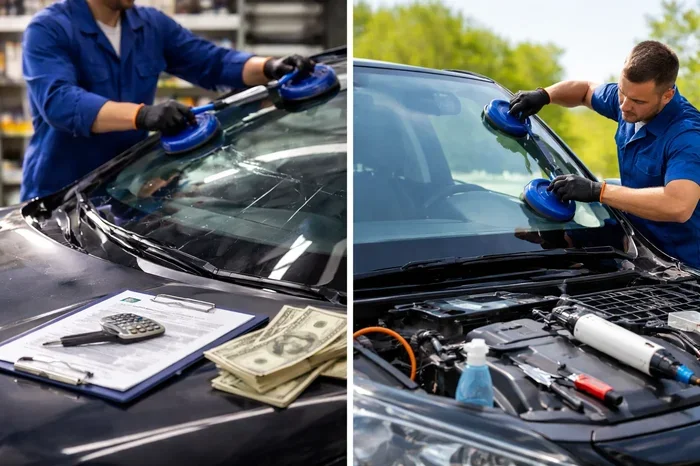
Once replacement is confirmed, the old windshield is carefully removed. Technicians use specialized tools to cut the old adhesive without damaging the vehicle frame. This step requires precision and experience. Rushing it can cause damage to the surrounding bodywork.
Step 3: Preparing the Frame
After removal, the frame is cleaned and prepared. Old adhesive residue is thoroughly removed. The area is inspected for any rust or damage. A clean, smooth surface ensures the new windshield bonds properly and lasts for years.
Step 4: Applying New Adhesive
A fresh urethane adhesive is applied to the frame. This adhesive is what holds the new windshield securely in place. The type and amount of adhesive matter greatly for safety and durability. Technicians follow the manufacturer’s exact specifications here.
Step 5: Installing the New Windshield
The new windshield is carefully placed into the frame. The technician ensures proper alignment and fit. Pressure is applied evenly to create a strong bond. This is the most critical step in the entire replacement process.
Step 6: Curing and Final Checks
The adhesive needs time to cure fully. Most shops advise waiting at least one hour before driving. Some adhesives require longer curing times depending on temperature and humidity. The technician also performs final checks to make sure everything is secure and sealed properly.
Can You Replace a Windshield Yourself
Some drivers wonder about DIY windshield replacement. There are kits available online that promise a cheaper alternative. But is it really a good idea? Let us look at the pros and cons honestly.
The Risks of DIY Replacement
DIY windshield replacement carries significant risks. Improper installation can lead to leaks, wind noise, and even the windshield popping out during a crash. The adhesive used in professional settings is specifically engineered for safety. DIY kits often use weaker alternatives. A poorly installed windshield can also interfere with car front glass sticker design and sensor calibration.
When DIY Might Work
DIY kits can work for very minor temporary fixes. If you have a small crack and need to get to a shop safely, a temporary patch might help. But for a full replacement, professional installation is always the recommended choice. Your safety is not worth the risk of a bad install.
What to Look for in a Professional Installer
Choosing the right shop matters just as much as the glass itself. Here is what to look for:
- Certification from organizations like Auto Glass Safety Council
- Positive reviews and a solid reputation in your area
- Warranty coverage on both glass and installation labor
- Use of OEM or high-quality aftermarket glass
- Proper curing facilities and equipment
Taking the time to find a reputable installer pays off. You get peace of mind knowing your windshield is installed correctly and safely.
Aftercare Tips for Your New Windshield
Getting a new windshield installed is only half the job. Proper aftercare ensures the adhesive cures correctly and the replacement lasts as long as it should.
Wait Before Driving
Most technicians advise waiting at least one hour before driving. Some adhesives need longer, especially in cold or humid conditions. Always follow the specific instructions given by your installer. Driving too soon can weaken the bond and create a safety hazard.
Avoid High Pressure
For the first 24 to 48 hours, avoid high-pressure car washes. Do not slam your doors forcefully. These actions can put stress on the fresh adhesive before it fully sets. Gentle handling helps the bond strengthen properly.
Keep the Car in a Safe Environment
If possible, park your car indoors or in a covered area for the first day. Extreme temperatures can affect curing time. A garage or carport provides the ideal environment for your new windshield to set correctly.
Check for Leaks
After a few days, inspect the edges of your new windshield. Look for any signs of water leaking into the cabin. If you notice moisture, contact your installer immediately. A proper seal should keep water completely out.
Protect Your Windshield Going Forward
Once your new windshield is installed, take steps to protect it. Maintain a safe following distance on highways. Avoid driving directly behind trucks that kick up rocks. Consider using a car windshield cover for sun protection to reduce thermal stress. A little prevention goes a long way in extending the life of your new glass.
When to Schedule a Follow-Up Inspection
If you notice any unusual sounds, vibrations, or visual distortions after replacement, schedule a follow-up inspection. Sometimes the windshield needs minor adjustments. Catching these issues early prevents bigger problems down the road. A good installer will always stand behind their work.
Expert Insights on Car Windshield Replacement
We asked experienced auto glass technicians about the most common mistakes drivers make when dealing with windshield damage. Here is what they shared.
Do not ignore small chips. Many drivers tell themselves a tiny rock chip is harmless. But temperature changes and daily driving vibrations cause small chips to spread. Addressing damage early can often mean a simple repair instead of a full replacement.
Do not delay replacement after an accident. Even a minor collision can weaken your windshield. What looks fine at first may develop cracks days later. Getting it inspected after any impact is a smart habit.
Choose quality over the lowest price. The cheapest option is not always the best value. A poorly installed windshield can compromise your safety. Investing in quality glass and professional installation protects you and your passengers.
Common Mistakes to Avoid
Steer clear of these common pitfalls when dealing with windshield damage:
- Postponing repairs: Waiting only makes the damage worse and more expensive.
- Choosing the cheapest option without checking reviews: Low prices sometimes mean low-quality materials or sloppy installation.
- Ignoring insurance coverage: Many drivers do not realize their policy covers windshield replacement.
- Skipping calibration for advanced safety features: Vehicles with cameras or sensors near the windshield need recalibration after replacement.
- Using aftermarket adhesives at home: These rarely match the strength and safety standards of professional-grade products.
Avoiding these mistakes keeps you safe and saves money in the long run. A little knowledge goes a long way when it comes to car windshield replacement decisions.
Conclusion
Car windshield replacement is a serious matter that directly affects your safety on the road. Whether you have a small crack or a completely shattered windshield, acting quickly and making informed choices is essential. Understanding the types of glass available, the costs involved, and what the replacement process looks like empowers you to make the best decision for your vehicle and your budget.
Always prioritize professional installation over DIY shortcuts. Your windshield is not just a piece of glass. It is a vital safety component of your entire vehicle. Take care of it, and it will take care of you for many miles to come. Drive safely, stay protected, and never underestimate the importance of a clear, properly installed windshield.
Frequently Asked Questions
How long does a car windshield replacement take?
Most professional replacements take between 30 minutes and one hour. However, the full curing process takes at least one hour before driving and up to 24 to 48 hours for the adhesive to fully set. Always follow your installer’s specific aftercare instructions.
Is it safe to drive after a windshield replacement?
It is safe to drive after waiting for the recommended curing time. Most technicians advise at least one hour. If you drive too soon, the adhesive may not hold properly. Always ask your installer for their specific guidance before getting behind the wheel.
Can a cracked windshield be repaired instead of replaced?
Small chips and cracks under three inches can often be repaired. Damage outside the driver’s line of sight and cracks that have not spread are good candidates for repair. Anything larger or more complex will likely require a full car windshield replacement.
Does car insurance cover windshield replacement?
Many comprehensive auto insurance policies cover windshield replacement with no deductible or a very low one. Check with your insurance provider to confirm your specific coverage. Some insurers even offer glass repair as a standalone add-on policy.
What is the difference between OEM and aftermarket windshield glass?
OEM glass comes from the original manufacturer and matches your vehicle exactly. Aftermarket glass is made by third-party manufacturers and may differ slightly in tint, thickness, or curvature. OEM is more expensive but offers perfect fit, while aftermarket is more affordable and still meets safety standards.
How long does a new windshield last?
A professionally installed windshield can last the lifetime of your vehicle if properly maintained. The adhesive bond typically holds for many years. Regular inspections and avoiding high-pressure car washes in the first 48 hours help extend its lifespan significantly.