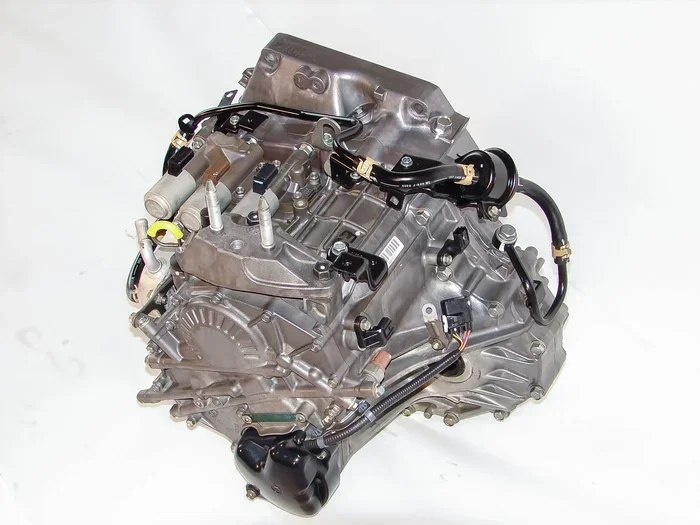
How Long Does a Honda Civic Transmission Last on Average
So, how long does a Honda Civic Transmission Last on average? With proper care, a Honda Civic transmission can endure 150,000 to 200,000 miles or more. This guide covers the factors that affect transmission lifespan, from driving habits to maintenance schedules, so you know exactly what to expect.
You love your Honda Civic. It’s reliable, fun to drive, and seems to run forever. But even the best cars have components that wear out over time. The transmission is one of the most complex and expensive parts to replace. So, how long does a Honda Civic Transmission Last? That’s the question every Civic owner should know the answer to.
Whether you drive a sleek new model or a trusty older generation, your transmission’s lifespan depends on several factors. From the type of transmission to your daily driving habits, small choices add up. In this guide, we’ll walk you through everything you need to know about keeping your Honda Civic’s transmission healthy for the long haul.
We’ll cover average lifespan numbers, warning signs, maintenance tips, and costs. By the end, you’ll have a clear picture of what to expect and how to protect your investment. Let’s dive in.
Key Takeaways
- Average lifespan: 150,000 to 200,000 miles, with many reaching 250,000+ miles.
- Transmission type matters: CVT, automatic, and manual each have different longevity profiles.
- Maintenance is key: Regular fluid changes are the single best way to extend transmission life.
- Driving habits count: Smooth acceleration and avoiding overheating protect internal components.
- Warning signs: Slipping, leaks, burning smells, and warning lights demand immediate attention.
- Cost range: Fluid changes cost $100–$250; rebuilds run $1,500–$3,000; replacements exceed $4,000.
- Early action saves money: Addressing small problems early prevents catastrophic failure.
📑 Table of Contents
- How Long Does a Honda Civic Transmission Last?
- Understanding Honda Civic Transmission Types
- Average Transmission Lifespan by Honda Civic Generation
- Signs Your Honda Civic Transmission Is Failing
- How to Extend Your Honda Civic Transmission’s Life
- Common Mistakes That Shorten Transmission Life
- Quick Tips for Transmission Longevity
- Transmission Repair vs Replacement Costs
- Transmission Warranty and Extended Coverage
- What the Experts Say About Honda Civic Transmissions
- Final Thoughts
How Long Does a Honda Civic Transmission Last?
On average, a Honda Civic transmission lasts between 150,000 and 200,000 miles. However, this number can vary based on the model year, transmission type, and how well you maintain it. With diligent care, many owners report 250,000 miles or more. The key is understanding what affects transmission longevity and taking action before problems arise.
Transmission lifespan isn’t just about mileage. It’s also about driving conditions, climate, and maintenance habits. A Civic driven in stop-and-go traffic may see more wear than one on open highways. Similarly, a car in a hot, dusty climate may need more frequent fluid changes. By knowing these factors, you can take steps to maximize your transmission’s life.
Understanding Honda Civic Transmission Types
Not all Honda Civic transmissions are the same. The type you have plays a big role in how long it will last. Let’s break down the common options.
CVT Transmission
Most modern Honda Civics come with a CVT transmission (Continuously Variable Transmission). It uses a belt and pulley system instead of fixed gears. CVTs are smooth and fuel-efficient, but they can be sensitive to neglect. With proper care, a CVT can last 150,000 to 200,000 miles. However, harsh driving can shorten that span. The belt inside the CVT needs clean fluid to operate without friction. If the fluid breaks down, the belt can slip or wear out early. Honda has improved CVT reliability over the years, but regular fluid checks remain essential.
Automatic Transmission
Older Honda Civics often featured a traditional 5-speed or 6-speed automatic. These units are robust and simpler than CVTs. Many owners report 200,000 miles or more with regular fluid changes. The automatic transmission in a Civic is known for its durability, especially if you avoid towing heavy loads. The torque converter and planetary gear sets are designed for longevity. Just make sure you check the fluid level and condition every 30,000 miles. A well-maintained automatic Civic transmission can easily become the car’s most durable component.
Manual Transmission
Some drivers prefer the manual transmission for better control. A manual gearbox typically lasts even longer than automatics because it has fewer complex parts. With smooth shifting, a manual Civic transmission can easily surpass 250,000 miles. The key is to avoid riding the clutch. A worn clutch not only affects shifting but can also damage the flywheel. Treat your manual transmission well, and it will reward you with years of reliable service. Many driving enthusiasts choose the manual Civic specifically for its transmission longevity.
Average Transmission Lifespan by Honda Civic Generation
Every generation of the Honda Civic has its own reputation. Let’s look at the numbers and see how they compare.
| Generation | Transmission Type | Average Lifespan (Miles) | Common Issues |
|---|---|---|---|
| 2006–2011 (8th Gen) | 5-Speed Manual / 5-Speed Auto | 150,000–200,000 | Torque converter wear |
| 2012–2015 (9th Gen) | 5-Speed Manual / 5-Speed Auto | 150,000–200,000 | Transmission slip |
| 2016–2021 (10th Gen) | CVT | 120,000–180,000 | CVT belt wear, jerking |
| 2022+ (11th Gen) | CVT | 150,000–200,000 (estimated) | Early wear if fluid neglected |
These numbers assume normal driving and regular maintenance. If you skip fluid changes, you could cut that lifespan in half. The Honda Civic transmission is built to last, but it’s not indestructible. The 8th and 9th generation Civics are particularly well-regarded for their transmission durability. Many owners report crossing the 200,000-mile mark without a single transmission issue. The 10th generation introduced the CVT, which brought fuel efficiency but also some new challenges. Early CVT models were prone to jerking and shuddering, especially when the fluid was old. Honda addressed many of these concerns in later model years, but regular maintenance remains essential. Just as engine enthusiasts often ask Can A Timing Chain Last 300 miles, transmission owners want the same clarity for their drivetrain. Both components are designed for a specific service life, and maintenance is the key to reaching it.
Signs Your Honda Civic Transmission Is Failing
Catch these warning signs early, and you can avoid a costly repair. Ignoring them is the fastest way to shorten your transmission’s life. Here are the most common transmission failure signs to watch for.
- Slipping gears: The engine revs but the car doesn’t accelerate smoothly. This often points to worn clutch packs or a failing torque converter.
- Rough or delayed shifting: Hesitation when moving from park to drive is a red flag. It could be a transmission solenoid issue or low fluid pressure.
- Fluid leaks: Red or brown fluid under your car means the transmission is losing fluid. Check the level regularly and top it off with the correct type.
- Burning smell: Overheated transmission fluid smells burnt. This happens when the fluid is old or the system is overloaded with heavy loads.
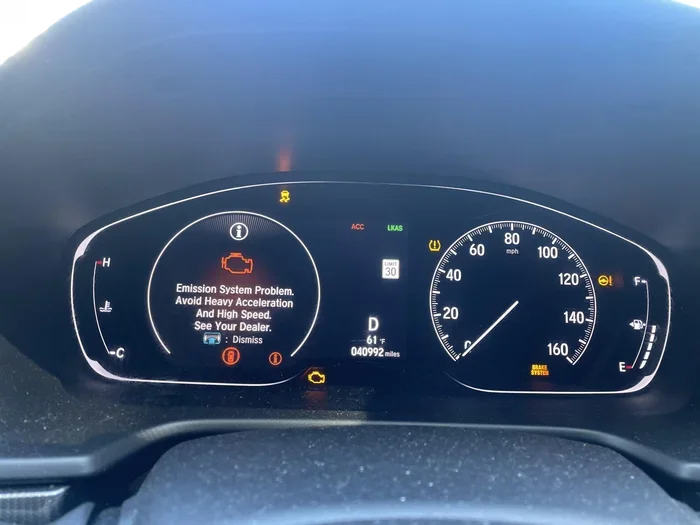
- Warning lights: The check engine light or transmission temperature light should never be ignored. These are your car’s way of asking for help.
If you notice any of these, get a professional diagnosis. Many quick-lube shops can run a basic check. You might wonder, Does Jiffy Lube Do Diagnostics? The answer is yes, they can scan for transmission codes, but a specialist may offer deeper insight into the root cause. Don’t delay—early detection saves money and prevents further damage. A simple diagnostic fee can save you thousands in the long run.
How to Extend Your Honda Civic Transmission’s Life
Prevention is always cheaper than repair. Follow these simple steps to keep your transmission running strong for many years.
Stick to the Maintenance Schedule
Honda recommends changing transmission fluid every 30,000 to 60,000 miles for automatics, and 60,000 miles for CVTs. Check your owner’s manual for the exact maintenance schedule. Fresh fluid keeps the gears lubricated and cool. Skipping this service is the number one mistake drivers make. A transmission fluid change is inexpensive compared to a rebuild. Use Honda-approved fluid to ensure compatibility with your specific transmission design.
Drive Smoothly
Avoid sudden acceleration and hard braking. These habits put extra stress on the torque converter and clutch packs. Gentle driving extends the life of every drivetrain component. Think of your transmission as a marathon runner, not a sprinter. Smooth, steady inputs keep everything running within safe temperatures. Aggressive driving is the enemy of transmission longevity. If you want your Civic to last, treat it with care on the road.
Don’t Overheat the Transmission
Transmission fluid breaks down under high heat. If you live in a hot climate or tow frequently, consider an external cooler. Keeping the temperature in check prevents premature wear. Overheating is one of the biggest enemies of car transmission care. A simple transmission fluid check can reveal if the fluid is dark or burnt, signaling it’s time for a change. Park in the shade when possible and let the engine idle for a minute before shifting into drive on hot days.
How to Check Your Transmission Fluid
You can check your transmission fluid at home with the engine warm and running. Locate the dipstick (for automatics) or the fill plug (for manuals). Pull the dipstick, wipe it clean, reinsert, then pull again to check the level. The fluid should be pink and translucent. If it’s dark brown or smells burnt, it’s time for a change. For CVTs, Honda recommends a professional transmission fluid check every 30,000 miles. This simple habit takes five minutes and can prevent major problems.
Transmission Flush vs. Fluid Change
A fluid change drains and replaces the old fluid. A transmission flush uses a machine to remove all old fluid, including that in the torque converter and cooler lines. For high-mileage Civics, a flush can be beneficial, but some mechanics caution against flushing a transmission with existing problems. The force of a flush can dislodge debris and cause blockages. When in doubt, stick with a simple fluid change and consult a professional. Always use the correct fluid type specified in your owner’s manual.
Address Small Problems Immediately
A small leak or a slight shift delay can signal bigger trouble. Don’t wait until the transmission fails completely. Early intervention saves money and keeps your Honda Civic reliable. The Honda Civic maintenance routine should include a transmission inspection at every oil change. Catching a minor issue early can mean the difference between a $200 repair and a $4,000 replacement. Listen to your car—it will tell you when something’s wrong.
Common Mistakes That Shorten Transmission Life
Many drivers unknowingly harm their transmission. Avoid these pitfalls to keep your Civic running strong.
- Ignoring fluid changes: Old, dirty fluid loses its lubricating properties. This leads to increased friction and heat.
- Riding the clutch: In manual models, keeping your foot on the clutch pedal wears out the clutch disc prematurely.
- Overloading the vehicle: Exceeding the recommended towing capacity strains the transmission and causes overheating.
- Neglecting warning signs: A slight slip or delay today can become a complete failure tomorrow.
- Using the wrong fluid: Honda specifies certain transmission fluids for a reason. Using the wrong type can damage internal components.
- Shifting while moving: Never shift from drive to reverse while the car is still rolling. This shocks the gearset and can cause immediate damage.
By steering clear of these mistakes, you give your transmission the best chance at a long, healthy life. The Honda Civic reliability is well-known, but it still depends on how you treat it. Treat your transmission right, and it will return the favor for hundreds of thousands of miles.
Quick Tips for Transmission Longevity
Here are some fast, actionable tips you can start today.
- Check transmission fluid monthly. It should be pink and odorless, not dark or burnt-smelling.
- Warm up the car gently in cold weather before driving hard. This lets the fluid circulate properly.
- Use the correct gear for the situation. Never shift from drive to reverse while the car is still moving.
- Keep the transmission cooler clean. Debris can block airflow and cause overheating.
- Consider a transmission flush every 50,000 miles if you drive in severe conditions like stop-and-go traffic or extreme heat.
- Always use Honda-recommended transmission fluid. Aftermarket fluids may not meet the same standards.
These small habits add up to big savings. A well-maintained Honda Civic transmission can easily outlast the car’s engine. Think of maintenance as an investment that pays for itself over time.
Transmission Repair vs Replacement Costs
When your Honda Civic transmission fails, the cost can vary wildly. Understanding your options helps you make the best decision.
A simple fluid change costs between $100 and $250. A transmission rebuild typically runs $1,500 to $3,000. A full replacement can hit $4,000 or more, especially for newer models with CVT technology. The transmission repair cost depends on the damage, the model year, and labor rates in your area. Always ask for a detailed written estimate before authorizing any work.
Before you spend that kind of money, get a second opinion. Some shops offer a free diagnosis. And remember, a well-maintained transmission can avoid these costs entirely. The Honda Civic transmission is one of the more affordable to repair compared to other vehicles, but it still requires attention. Investing in routine maintenance is always cheaper than a major repair. If you’re unsure about a quote, ask the shop to explain every line item.
Transmission Warranty and Extended Coverage
Honda’s powertrain warranty typically covers transmission defects for 3 years or 36,000 miles, whichever comes first. Some extended warranty plans can cover transmission repairs beyond that period. If you buy a used Civic, check the remaining warranty. A transmission warranty can give you peace of mind and protect your wallet from unexpected repair bills. Many third-party warranty providers offer plans specifically for drivetrain components. Read the fine print carefully to understand what’s covered and what exclusions apply.
What the Experts Say About Honda Civic Transmissions
Automotive experts agree that the Honda Civic transmission is one of the more durable in its class. Many mechanics note that the key to longevity is consistency. “Regular fluid changes and gentle driving habits make a huge difference,” says one certified Honda technician. “We see Civics with 250,000 miles on the original transmission all the time, but we also see ones that fail at 80,000 miles due to neglect.” The takeaway is clear: your habits matter more than the part itself.
If you’re ever unsure about a noise or a feeling, don’t ignore it. A quick check can give you peace of mind. Many owners also ask, can a hybrid car last 10 years? The same proactive mindset applies to your transmission. With the right care, your Honda Civic can go the distance. Treat it well, and it will serve you faithfully for many years to come.
Final Thoughts
So, how long does a Honda Civic Transmission Last? With proper care, you can expect 150,000 to 200,000 miles or more. The key is consistent maintenance, gentle driving, and addressing issues early. Your Honda Civic is a durable machine, and its transmission is built to keep up with your daily life.
Don’t wait for warning signs to appear. Follow the maintenance schedule, listen to your car, and enjoy the ride. A little attention today saves thousands of dollars tomorrow. Your transmission is the heart of your drivetrain—treat it well, and it will serve you for years to come. Now that you know the answer to how long does a Honda Civic Transmission Last, you’re equipped to keep your car on the road and running strong.
Frequently Asked Questions
How many miles does a Honda Civic transmission last?
On average, a Honda Civic transmission lasts between 150,000 and 200,000 miles. With proper maintenance and gentle driving, many owners reach 250,000 miles or more. The exact lifespan depends on the transmission type, model year, and how well you care for it.
What kills a Honda Civic transmission?
The most common killers are neglected fluid changes, overheating, and harsh driving habits. Riding the clutch in manual models and overloading the vehicle also cause premature wear. Ignoring warning signs like slipping or leaking fluid can turn a small problem into a total failure.
Is it worth replacing a Honda Civic transmission?
It depends on the car’s overall condition and the repair cost. If the rest of the car is in good shape and has low mileage, a rebuild or replacement can be worthwhile. However, if the repair cost approaches the car’s value, you may want to consider other options. Always get a detailed estimate before deciding.
How often should you change Honda Civic transmission fluid?
Honda recommends changing automatic transmission fluid every 30,000 to 60,000 miles, and CVT fluid every 60,000 miles. If you drive in severe conditions like heavy traffic or extreme heat, consider changing it more frequently. Fresh fluid keeps the gears cool and reduces friction.
Can you drive a Honda Civic with a slipping transmission?
Driving with a slipping transmission is risky and can cause further damage. The slipping indicates worn clutch packs or a failing torque converter. Continuing to drive may lead to complete transmission failure, which is far more expensive to repair. Have the car towed to a repair shop if you notice slipping.
What is the average cost to fix a Honda Civic transmission?
A fluid change costs $100 to $250, a rebuild runs $1,500 to $3,000, and a full replacement can exceed $4,000. The exact cost depends on the model year, transmission type, and local labor rates. Regular maintenance is the best way to avoid these expensive repairs.