Does a 2016 Toyota Corolla Actually Use Synthetic Oil
The 2016 Toyota Corolla can use synthetic oil, but it also runs well on conventional oil depending on your driving habits. Toyota recommends 0W-20 viscosity for this model, and switching to full synthetic oil may offer better engine protection and longer intervals between changes. Always check your owner manual before making the switch.
The 2016 Toyota Corolla remains one of the most popular compact sedans on the road. It is reliable, fuel-efficient, and affordable to maintain. But one question many owners ask is whether their Corolla actually needs synthetic oil or if conventional oil works just as well.
The short answer is yes. The 2016 Toyota Corolla can use synthetic oil. In fact, Toyota recommends 0W-20 viscosity, and you can choose between full synthetic, synthetic blend, or conventional options. The right choice depends on your driving habits, budget, and how much protection you want for your engine.
In this guide, we will walk through everything you need to know about oil for the 2016 Corolla. We will cover oil types, viscosity, change intervals, and whether the switch to synthetic is worth it. By the end, you will have a clear answer for your vehicle.
Key Takeaways
- Toyota recommends 0W-20 viscosity for the 2016 Corolla, whether synthetic or conventional.
- Full synthetic oil offers superior protection and can extend oil change intervals.
- Switching to synthetic oil is safe for the 2016 Corolla, even if you previously used conventional oil.
- Oil change intervals vary based on driving conditions and oil type used.
- Always consult your owner manual for the exact oil specification your engine needs.
📑 Table of Contents
- What Oil Does a 2016 Toyota Corolla Use?
- Synthetic Oil vs Conventional Oil
- Benefits of Synthetic Oil for the 2016 Corolla
- Oil Change Intervals and Maintenance
- Can You Switch to Synthetic Oil in a 2016 Corolla?
- Expert Insights and Common Mistakes
- How to Choose the Right Synthetic Oil Brand
- Conclusion
What Oil Does a 2016 Toyota Corolla Use?
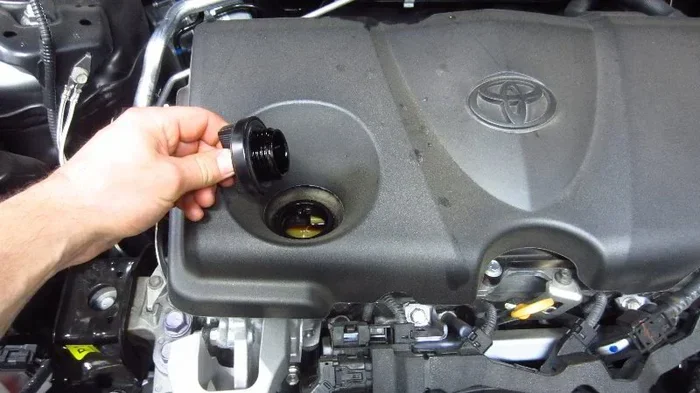
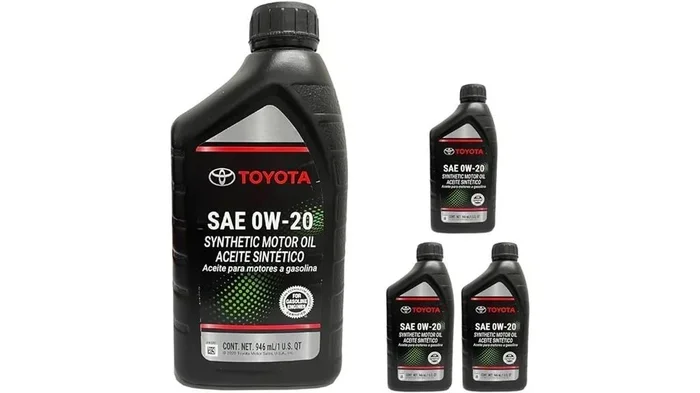
Toyota specifies 0W-20 viscosity for the 2016 Corolla. This lightweight oil flows easily at cold temperatures and provides adequate protection during normal driving. The 0W-20 specification appears in the owner manual and on the oil cap under the hood.
You have three main options when choosing oil for this vehicle:
- Full synthetic oil — made entirely from synthetic base stocks. Offers the best protection and performance.
- Synthetic blend oil — a mix of synthetic and conventional base oils. Provides a balance of protection and affordability.
- Conventional oil — the standard option. Works fine for normal driving but may need more frequent changes.
All three options meet Toyota’s 0W-20 requirement as long as they carry the correct viscosity rating. The key difference lies in the base oil composition and how long each type lasts between changes.
If you are unsure what your current oil is, check your last oil change receipt or look at the oil dipstick. The color and consistency can give you clues, but a lab test provides the most accurate answer.
Why Viscosity Matters for the 2016 Corolla
Viscosity refers to how thick or thin your oil is at different temperatures. The 0W-20 rating means the oil flows like a 0-weight oil in cold conditions and maintains a 20-weight film at operating temperature.
Using the wrong viscosity can cause problems. Oil that is too thick may not reach all engine parts quickly after startup. Oil that is too thin may not provide enough protection under heavy load. Always stick with 0W-20 unless your mechanic advises otherwise.
Some owners wonder if they can switch to a different weight, such as 5W-20 or 5W-30. The answer is no for the 2016 Corolla. Toyota engineered this engine around 0W-20 flow characteristics. Changing the viscosity can affect fuel economy and engine wear.
Synthetic Oil vs Conventional Oil
Understanding the difference between synthetic and conventional oil helps you make the best choice for your 2016 Corolla. Both types clean and lubricate your engine, but they differ in composition and performance.
Conventional oil starts as crude oil and goes through refining. It contains natural molecules of varying sizes, which can break down faster under heat and stress. Synthetic oil, on the other hand, is engineered in a lab. Every molecule is uniform in size and shape, which gives it superior thermal stability and oxidation resistance.
Here is a quick comparison of the two oil types for the 2016 Corolla:
| Feature | Full Synthetic | Conventional |
|---|---|---|
| Base Oil Type | Fully synthetic | Refined crude oil |
| Heat Resistance | Excellent | Good |
| Cold Flow | Outstanding | Adequate |
| Change Interval | Up to 10,000 miles | 5,000-7,500 miles |
| Cost per Change | Higher | Lower |
| Engine Protection | Best | Good |
Many owners who track their mileage closely find that synthetic oil pays for itself over time. Fewer oil changes mean less money spent on labor and oil, even though each synthetic oil change costs more upfront.
If you want to learn more about how long synthetic oil actually lasts, check out our article on 000 Miles With Synthetic Oil. It covers real-world testing and expert insights on synthetic oil longevity.
Benefits of Synthetic Oil for the 2016 Corolla
The 2016 Corolla uses a 1.8-liter four-cylinder engine (or a 2.0-liter in the LE Eco trim). Both engines benefit from the cleaner, more stable properties of synthetic oil.
Here are the main advantages of using synthetic oil in your 2016 Corolla:
- Better cold-start protection. Synthetic oil flows instantly at low temperatures, reducing wear during the most vulnerable phase of engine operation.
- Longer oil life. Synthetic oil resists thermal breakdown better than conventional oil. You can safely extend your oil change interval.
- Improved fuel economy. Lower viscosity and reduced friction can add a small but noticeable improvement in miles per gallon.
- Cleaner engine internals. Synthetic oil produces fewer deposits and sludge, keeping your engine cleaner over time.
- Better high-temperature stability. Synthetic oil maintains its protective film even under heavy loads or hot weather.
These benefits are especially relevant if you drive in stop-and-go traffic, tow a trailer, or live in an area with extreme temperatures. The 2016 Corolla is a daily commuter car for many people, and synthetic oil helps it handle those demanding conditions.
Another advantage is that synthetic oil works well with the 2016 Corolla’s oil life monitor system. This system tracks driving conditions and adjusts the oil change reminder accordingly. Synthetic oil’s stability means the system can safely extend the interval without compromising protection.
Oil Change Intervals and Maintenance
Toyota does not set a fixed mileage interval for the 2016 Corolla. Instead, the vehicle uses an oil life monitoring system that tracks your driving habits and alerts you when it is time for a change.
Under normal driving conditions, the oil life monitor typically triggers between 7,500 and 10,000 miles. However, severe driving conditions can shorten this interval significantly.
Severe driving conditions include:
- Frequent short trips under five miles
- Driving in extreme heat or cold
- Heavy stop-and-go traffic
- Towing or carrying heavy loads
- Dusty or off-road conditions
If you drive under any of these conditions regularly, you should change your oil more frequently. Many experts recommend halving the oil life monitor interval for severe driving.
For owners who stick with conventional oil, changing every 5,000 miles is a safe practice. Synthetic oil users can comfortably go 7,500 to 10,000 miles between changes, depending on driving conditions.
It is also important to replace the oil filter every time you change the oil. A clogged filter restricts oil flow and reduces engine protection. Use a genuine Toyota oil filter or a high-quality aftermarket equivalent for best results.
If you want to maximize your interval between oil changes, check out our guide on 000 Miles Without An Oil Change. It covers the limits of modern oil technology and when you should actually change your oil.
How to Check Your Oil Level
Checking your oil level regularly is one of the simplest things you can do for your 2016 Corolla. Here is how to do it:
- Park your car on a level surface and turn off the engine.
- Wait 2-3 minutes for the oil to settle in the oil pan.
- Pull the dipstick, wipe it clean, and reinsert it fully.
- Pull it out again and check the oil level against the markings.
- The oil should fall between the minimum and maximum marks.
If your oil level is low, add 0W-20 oil of the same type you currently use. Mixing different oil types occasionally is fine, but try to keep them consistent for best results.
Can You Switch to Synthetic Oil in a 2016 Corolla?
Yes. You can switch to synthetic oil in a 2016 Toyota Corolla at any time. Modern engines are designed to handle synthetic oil, and the 2016 Corolla is no exception. There is no risk of damage from switching from conventional to synthetic oil.
Some owners worry that switching oil types might cause leaks or other problems. This concern stems from older vehicles with worn seals. Synthetic oil is thinner and can sometimes seep past old gaskets. But the 2016 Corolla is a relatively new vehicle, so its seals and gaskets are in good condition.
If you have been using conventional oil for years and want to switch, here is what to do:
- Drain the old oil completely and replace the oil filter.
- Fill with 0W-20 synthetic oil that meets API SN or SP specifications.
- Reset the oil life monitor according to your owner manual.
- Check for leaks after the first 100 miles of driving.
One thing to keep in mind is that synthetic oil may clean out deposits left by conventional oil. This is actually a good thing, but it can occasionally cause an oil filter to clog sooner. If this happens, replace the filter and monitor your oil level closely.
For more details on oil viscosity options and whether you can use different weights, read our article on Can You Use 5W 20 Instead Of 0W 20. It explains viscosity choices in detail.
Expert Insights and Common Mistakes
Even experienced car owners make mistakes when it comes to oil changes. Here are some common errors to avoid with your 2016 Corolla:
Mistake 1: Using the Wrong Oil Viscosity
Some owners assume that thicker oil provides better protection. This is not true for modern engines like the 2016 Corolla. Using 5W-30 or 10W-30 instead of 0W-20 can reduce fuel economy and increase wear. Always follow Toyota’s recommendation.
Mistake 2: Ignoring the Oil Life Monitor
The oil life monitor is not just a suggestion. It uses algorithms based on your actual driving conditions to determine when your oil needs changing. Ignoring it can lead to either premature changes or, worse, running oil past its useful life.
Mistake 3: Topping Off Instead of Changing
Adding oil between changes is fine if your level is low. But topping off does not replace the oil change. Old oil accumulates contaminants, moisture, and acids that cannot be removed by simply adding new oil. Always do a full drain and filter replacement.
Mistake 4: Choosing the Cheapest Oil
While budget matters, the cheapest oil may not meet API specifications or provide adequate protection. Look for oils that carry the API SP or SN certification and meet Toyota’s 0W-20 requirement.
For a deeper dive into oil brand quality and longevity, check out our article on Does Mobil 1 Really Last 10. It examines whether premium synthetic oils truly deliver on their promises.
How to Choose the Right Synthetic Oil Brand
Not all synthetic oils are created equal. When shopping for oil for your 2016 Corolla, look for these key features:
- API SP or SN certification — ensures the oil meets current performance standards.
- 0W-20 viscosity — matches Toyota’s specification for this engine.
- Low ash content — important if your car has a catalytic converter.
- Good cold-flow properties — ensures easy startup protection in winter.
- Reputable brand — brands like Mobil 1, Castrol, Valvoline, and Pennzoil all offer quality 0W-20 synthetics.
You do not need to buy the most expensive oil on the shelf. Mid-range synthetic oils from trusted brands offer excellent protection at a reasonable price. The key is to choose a product that meets the API specification and viscosity requirement.
Toyota does not endorse a specific synthetic oil brand. As long as the oil meets their specifications, you can use any brand that fits your budget and preferences.
Conclusion
The 2016 Toyota Corolla can absolutely use synthetic oil. In fact, it is an excellent choice for owners who want maximum engine protection, longer oil change intervals, and improved fuel economy. Toyota recommends 0W-20 viscosity, and you can choose full synthetic, synthetic blend, or conventional oil based on your needs.
Switching to synthetic oil is safe, simple, and beneficial for your 2016 Corolla. Just make sure you use the correct viscosity and follow the oil life monitor for change intervals. Avoid common mistakes like using the wrong oil weight or ignoring oil level checks.
Taking care of your oil is one of the easiest ways to keep your Corolla running strong for years to come. Whether you stick with conventional oil or make the switch to full synthetic, the most important thing is to stay consistent and never skip an oil change.
Your 2016 Toyota Corolla is a reliable machine. Give it the right oil, and it will reward you with smooth performance and long-lasting durability.
Frequently Asked Questions
Can I use synthetic blend oil instead of full synthetic in my 2016 Corolla?
Yes. Synthetic blend oil meets Toyota’s 0W-20 requirement and offers a good middle ground between full synthetic and conventional oil. It provides better protection than conventional oil at a lower price than full synthetic.
How often should I change the oil in my 2016 Toyota Corolla?
Under normal driving conditions, the oil life monitor will typically alert you between 7,500 and 10,000 miles. If you use conventional oil or drive in severe conditions, consider changing every 5,000 miles for best engine protection.
Is it okay to switch from conventional to synthetic oil in my Corolla?
Absolutely. There is no risk in switching oil types. Modern engines like the one in the 2016 Corolla handle synthetic oil perfectly well. Just make sure to drain the old oil completely and replace the filter during the switch.
What happens if I use the wrong viscosity oil in my 2016 Corolla?
Using the wrong viscosity can reduce fuel economy, increase engine wear, and potentially trigger the check engine light. Always use 0W-20 oil as specified by Toyota for the best results and engine longevity.
Does synthetic oil really last longer than conventional oil?
Yes. Synthetic oil resists thermal breakdown and oxidation much better than conventional oil. This allows for longer intervals between changes, typically 7,500 to 10,000 miles compared to 5,000 to 7,500 for conventional oil.
Can I mix synthetic and conventional oil in my 2016 Corolla?
Mixing them occasionally is not harmful, but it is not ideal. If you need to top off between changes, use the same type and viscosity of oil you already have in the engine. This ensures consistent performance and protection.