Do Toyotas Last Longer Than Chevys in the Long Run
Do Toyotas Last Longer Than Chevys is a question many car buyers ask. Toyota vehicles generally offer better reliability and lower repair costs over time. Chevrolet cars deliver strong performance but may need more upkeep as they age. Both brands can reach 200,000+ miles with proper care.
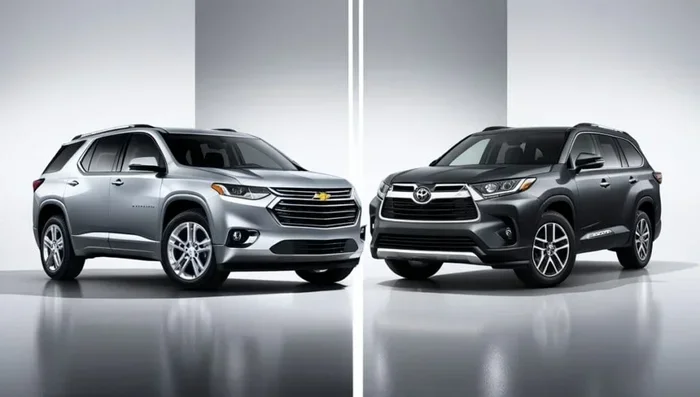
When you are shopping for a new car, the question Do Toyotas Last Longer Than Chevys often comes up. Toyota has built a strong reputation for reliability, while Chevrolet brings American power and style to the table. Both brands have loyal fans, and both produce vehicles that can serve you well for many years. But when it comes to pure longevity and vehicle lifespan, the differences become clear.
The answer is not as simple as picking a winner. Many factors play a role in how long a car lasts. Things like maintenance habits, driving conditions, and even the specific model matter a lot. In this article, we will break down the real differences between Toyota and Chevrolet when it comes to vehicle longevity. You will learn what each brand does well, where they fall short, and how to make the best choice for your needs.
Do Toyotas Last Longer Than Chevys? Let us dive in and find out together.
Key Takeaways
- Toyota generally outlasts Chevrolet in terms of overall vehicle lifespan and long-term dependability.
- Chevy offers stronger initial performance and American muscle, but may cost more in repairs over time.
- Toyota maintenance costs are typically lower, which adds up to significant savings over the life of the vehicle.
- Resale value favors Toyota in most segments, meaning you lose less money when selling.
- Both brands can reach 200,000+ miles with proper maintenance and care.
- Your driving habits matter more than brand when it comes to how long your car lasts.
📑 Table of Contents
Understanding Car Longevity
What Does It Mean for a Car to Last?
When we talk about a car lasting a long time, we mean more than just the engine running. A long-lasting car is one that stays safe, reliable, and affordable to own over many years. Most experts agree that a vehicle that reaches 200,000 miles with major systems still functioning is a well-built car. Both Toyota and Chevrolet have models that can hit this milestone.
But reaching 200,000 miles is not just about the engine. It also depends on the transmission, electrical systems, suspension, and body integrity. A car might have a strong engine but rust out quickly in cold climates. That is why looking at the full picture matters when comparing Toyota reliability to Chevrolet durability.
Key Factors That Affect Vehicle Lifespan
Several things determine how long your car will last. Here are the most important ones:
- Maintenance schedule – Staying on top of oil changes, fluid flushes, and belt replacements makes a huge difference.
- Driving habits – Hard acceleration and aggressive braking wear out parts faster.
- Climate and environment – Salt, rain, and extreme heat can shorten a car’s life.
- Build quality – How well the car is put together from the factory matters a lot.
- Powertrain warranty – A longer warranty often reflects the manufacturer’s confidence in their engine and transmission.
No matter which brand you choose, how you care for your vehicle plays the biggest role. Even the best automotive reliability record means nothing if you skip oil changes and ignore warning lights.
Toyota Reliability: What Makes Them Last
The Toyota Reputation for Durability
Toyota has earned its spot at the top of reliability rankings for decades. The brand consistently ranks high in vehicle dependability surveys from J.D. Power and Consumer Reports. This is not a fluke. Toyota engineers focus on proven designs over flashy trends. They build cars that work well and last long.
One reason Toyota vehicles last so long is their conservative approach to innovation. They do not chase every new technology trend. Instead, they refine what already works. This means fewer complex parts that can break. The result is a car that delivers a smooth driving experience year after year with fewer surprises at the repair shop.
Popular Toyota Models Known for Longevity
Certain Toyota models have earned legendary status for their longevity. Here are a few standouts:
- Toyota Camry – One of the most reliable sedans ever made. Many owners report 250,000+ miles with basic maintenance.
- Toyota Corolla – A compact car that punches above its weight in durability. It is one of the best-selling cars in history for a reason.
- Toyota Tacoma – A pickup truck known for lasting well beyond 200,000 miles. It is a favorite among work truck buyers.
- Toyota Prius – The hybrid pioneer. Many Prius models have crossed the 200,000-mile mark, and Can A Hybrid Car Last 10 Years is a common question among owners.
These models share common traits. Simple designs, quality materials, and a focus on the basics. Toyota does not overcomplicate things, and that simplicity pays off over time.
Engineering and Build Quality
Toyota invests heavily in engine longevity and overall build quality. Their engines are designed with durability in mind from the start. The brand uses extensive testing to make sure every part can handle real-world conditions. This attention to detail shows up in the numbers.
Toyota engines commonly last 250,000 to 300,000 miles before needing major work. The Can A Timing Chain Last 300 is a great example of how Toyota engineers think about long-term component durability. They design parts to outlast the average ownership period.
Toyota also uses high-quality internal components in their engines. From piston rings to valve guides, every piece is built to endure. This is a big reason why Toyota repair costs tend to stay low even as the vehicle ages. Fewer breakdowns mean fewer repair bills.
Chevy Durability: What to Expect
The Chevrolet Legacy
Chevrolet has been around since 1911. That is over a century of building cars for the American market. The brand has a rich history and a loyal fan base. Chevy trucks, in particular, are deeply embedded in American culture. From the Silverado to the Camaro, Chevrolet vehicles offer a distinct driving experience that many drivers love.
But the question Do Toyotas Last Longer Than Chevys is not about brand history. It is about real-world results. And when you look at the data, Chevrolet vehicles tend to show more wear and issues as they age compared to Toyota. This does not mean Chevys are bad cars. They are great vehicles with a lot to offer.
Common Chevy Models and Their Lifespan
Let us look at some popular Chevrolet models and what owners can expect:
- Chevrolet Silverado – A strong pickup truck with good towing capacity. Many owners get 200,000+ miles, but maintenance costs can add up after 100,000 miles.
- Chevrolet Equinox – A solid SUV with decent longevity. It can reach 150,000 to 200,000 miles with regular care.
- Chevrolet Malibu – A reliable sedan that holds up well. It typically lasts 150,000 to 200,000 miles before major issues appear.
- Chevrolet Corvette – A performance icon. With proper care, these cars can last a long time, but they require more attention to upkeep.
Chevrolet vehicles tend to perform well in the first 100,000 miles. The problems often start appearing after that mark. This is where the comparison with Toyota becomes important. Toyota vehicles tend to hold up better in that high-mileage range.
Where Chevy Falls Short
There are areas where Chevrolet vehicles tend to struggle compared to Toyota. Here are the most common common car problems reported by Chevy owners:
- Electrical issues – Chevy vehicles are more prone to electrical gremlins as they age. Things like flickering lights and sensor failures are common.
- Transmission wear – Some Chevy models experience transmission problems earlier than their Toyota counterparts.
- Rust and body decay – Chevrolet vehicles can show signs of body rust sooner, especially in northern climates.
- Higher repair costs – Parts and labor for Chevy repairs tend to cost more as the vehicle gets older.
These issues do not affect every Chevrolet model. But they are common enough that they impact the overall brand reputation when it comes to long-term ownership. Toyota simply has fewer of these problems at high mileage.
Maintenance Costs Comparison
Toyota Maintenance Costs Over Time
One of the biggest advantages of owning a Toyota is the lower car maintenance costs over the life of the vehicle. Toyota parts are widely available and reasonably priced. The brand’s reputation for reliability means fewer surprise repairs. You can plan your budget more easily when you own a Toyota.
Regular maintenance on a Toyota is straightforward. Oil changes, brake pads, and tire rotations are all fairly affordable. The Does Mobil 1 Really Last 10 question comes up often among Toyota owners, and the answer is yes, quality synthetic oil can extend your maintenance intervals and protect your engine better.
On average, Toyota owners spend about 10% less on maintenance than owners of comparable Chevrolet vehicles. Over 10 years of ownership, that adds up to thousands of dollars in savings. This is a huge factor when you are thinking about car ownership costs over the long term.
Chevy Maintenance Costs Over Time
Chevrolet vehicles tend to cost more to maintain as they age. Here is why:
- More complex systems – Chevy vehicles often come with more tech features that can fail over time.
- Higher parts costs – Genuine Chevy parts can be more expensive than Toyota equivalents.
- More frequent repairs – After 100,000 miles, Chevy owners report more visits to the shop.
- Specialized labor – Some Chevy repairs require specialized tools and knowledge, which increases labor costs.
None of this means you should avoid Chevys. They are great vehicles. But you should factor in higher long-term costs when making your decision. If you plan to keep a car for many years, those maintenance costs really add up.
Which Brand Costs Less to Maintain?
The answer is clear. Toyota wins on maintenance costs. The brand was designed with affordability in mind. From the factory floor to the repair shop, Toyota keeps things simple and cost-effective. Chevrolet focuses more on performance and features, which can increase long-term costs.
If you are looking at car maintenance costs over a 15-year ownership period, Toyota savings can easily exceed $5,000. That is real money that stays in your pocket instead of going to the mechanic.
Resale Value and Long-Term Ownership
Why Resale Value Matters
Resale value is one of the most overlooked factors in the Toyota vs Chevrolet debate. When you sell or trade in your car, the price you get directly impacts your total cost of ownership. A car that holds its value saves you money every time you upgrade.
Toyota vehicles consistently outperform Chevrolet in resale value rankings. This is because buyers trust the Toyota brand reputation for reliability. When you buy a used Toyota, you know you are getting a car that has been well-maintained and will continue to serve you well.
Toyota vs Chevy Resale Comparison
Here is a quick look at how the two brands compare in terms of resale value:
Toyota Camry vs Chevrolet Malibu: The Camry holds its value about 15% better after five years. That means more money back when you sell.
Toyota Tacoma vs Chevrolet Silverado: The Tacoma is famous for holding its value. It often sells for thousands more than a comparable Silverado with similar mileage.
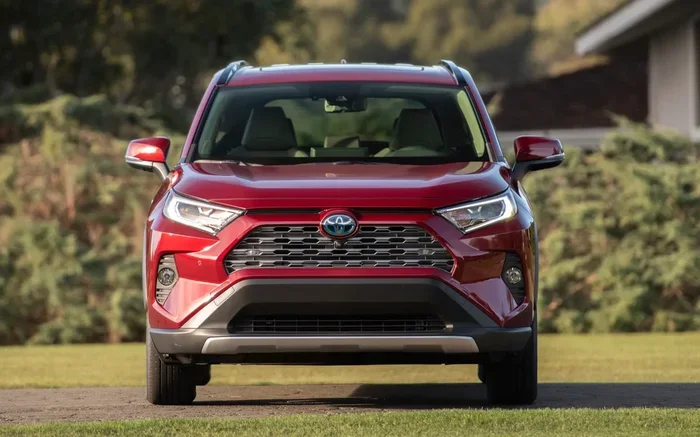
Toyota RAV4 vs Chevrolet Equinox: The RAV4 again leads in resale, thanks to its reputation for reliability and low ownership costs.
If you plan to keep your car for a long time, resale value might not matter as much. But if you like upgrading every few years, Toyota gives you a clear financial advantage.
Which Brand Wins the Longevity Battle?
Final Verdict
So, Do Toyotas Last Longer Than Chevys? Based on the data, maintenance costs, and real-world owner experiences, the answer is yes. Toyota vehicles generally last longer than Chevrolet vehicles when all factors are considered. They have better reliability, lower repair costs, higher resale value, and stronger engine longevity.
This does not mean Chevrolet is a bad choice. Chevy vehicles offer great performance, strong towing capacity, and a comfortable driving experience. They are excellent cars for the first 100,000 miles. But if your goal is to keep a vehicle for 15 to 20 years, Toyota has the edge.
The vehicle longevity advantage belongs to Toyota. Their focus on simplicity, quality, and proven engineering pays off in the long run. If you want a car that will keep running with minimal fuss, Toyota is the smarter bet.
How to Get the Most Miles Out of Any Car
Whether you choose Toyota or Chevrolet, how you maintain your vehicle matters most. Here are some tips to maximize your car’s lifespan:
- Follow the maintenance schedule – Stick to the recommended oil change intervals and service dates. Skipping maintenance is the fastest way to shorten your car’s life.
- Address small problems early – Do not ignore warning lights or unusual noises. Small issues become big expensive problems fast.
- Drive gently – Avoid hard starts and sudden stops. Smooth driving reduces wear on your engine and transmission.
- Keep it clean – Regular washing protects the body from rust and corrosion. Pay special attention to the undercarriage in winter.
- Use quality fluids and parts – Cheap oil and inferior parts can cause premature wear. Invest in quality products for long-term protection.
- Store it properly – If you have a second car or plan to store a vehicle, keep it in a dry, covered area away from harsh weather.
These simple habits can add tens of thousands of miles to any vehicle’s life. The Do You Really Save On Gas With A Hybrid question is also worth considering, as hybrids often have lower overall wear on brakes and engines due to regenerative braking technology.
Do Toyotas Last Longer Than Chevys in the long run? Yes, they do. But the best car is the one you take care of. Give either brand the attention it deserves, and you will be rewarded with years of reliable service.
Conclusion
The debate between Toyota and Chevrolet will never truly end. Both brands have passionate fans and strong product lines. But when it comes to one thing, the answer is clear. Do Toyotas Last Longer Than Chevys? Yes, they do.
Toyota offers better reliability, lower maintenance costs, stronger resale value, and proven engine longevity. Chevrolet delivers great performance and American muscle that many drivers love. Both are solid choices. But if your priority is long-term ownership with fewer headaches, Toyota is the winner.
No matter which brand you choose, remember that your care and attention make the biggest difference. Follow a regular maintenance schedule, address issues early, and drive responsibly. Your car can last far longer than you ever imagined. The road ahead is long, and with the right vehicle and the right habits, you will enjoy every mile of it.
Frequently Asked Questions
Why do Toyotas last longer than Chevys?
Toyota focuses on proven engineering and simplicity. They use high-quality internal components and avoid overcomplicating their designs. This approach results in fewer mechanical failures and lower repair costs over time. Chevrolet vehicles, while excellent, tend to have more complex systems that can cause issues as they age.
At what mileage do Chevys start having more problems?
Chevrolet vehicles often start showing more issues after 100,000 miles. Common problems include electrical gremlins, transmission wear, and higher car maintenance costs. Toyota vehicles tend to hold up better past this milestone with fewer unexpected repairs.
Are Toyota maintenance costs really lower?
Yes, Toyota maintenance costs are typically lower. Parts are widely available and more affordable. The brand’s reputation for automotive reliability means fewer surprise repairs. Over a 15-year ownership period, Toyota owners can save thousands compared to Chevrolet owners.
Which Chevy model lasts the longest?
The Chevrolet Silverado and Corvette tend to be among the longest-lasting Chevy models. With proper care, both can reach 200,000+ miles. However, they still require more maintenance and attention compared to similar Toyota models like the Camry or Tacoma.
Does driving style really affect how long a car lasts?
Absolutely. Aggressive driving, hard acceleration, and ignoring warning signs all shorten a vehicle’s lifespan. Gentle driving and regular maintenance can add tens of thousands of miles to any car. This applies to both Toyota and Chevrolet vehicles equally.
Is a Toyota worth the higher upfront cost?
In most cases, yes. While some Toyota models cost slightly more upfront, the savings on car ownership costs over time often outweigh the difference. Lower repair bills, better fuel economy, and higher resale value make Toyota a smarter long-term investment for most buyers.