How Hot Does a Car Engine Get and What You Should Know
A car engine typically runs between 195°F and 220°F, but how hot does a car engine get can vary based on driving conditions, weather, and engine type. Normal operating temperature is crucial for efficiency, while overheating signals serious trouble. This guide breaks down everything from engine temperature gauge readings to coolant system maintenance and what to do if your engine gets too hot.
Have you ever wondered how hot does a car engine get while you are cruising down the highway? Most drivers never think about it until they see steam billowing from under the hood. The truth is that your engine works extremely hard, and the heat it generates is enormous. Understanding normal engine temperature helps you spot trouble early and avoid costly repairs.
Inside every combustion engine, tiny explosions push pistons up and down. Those explosions create a lot of engine heat. Without a proper cooling system, that heat would destroy the engine in minutes. The coolant system circulates fluid to pull heat away from the engine block and carry it to the radiator. When everything works right, the engine temperature stays within a safe range. When something goes wrong, temperatures can soar past safe limits.
So, what is a normal temperature for a car engine? And how do you know when it is getting too hot? This guide answers those questions and more. You will learn about the signs of overheating, the common causes, and simple steps you can take to protect your engine all year long.
Key Takeaways
- Normal Engine Temperature: Most cars run between 195°F and 220°F; staying within this range ensures optimal performance.
- Overheating Warning Signs: Steam from the hood, temperature gauge in the red, and unusual smells indicate immediate danger.
- Common Causes of Overheating: Low coolant, a broken thermostat, a failing water pump, or a clogged radiator can all push temperatures too high.
- Hot Weather Driving Tips: Monitor your gauge, use the heater to draw heat, and pull over safely if you see steam.
- Electric and Hybrid Engines: These run cooler than gas engines but still need proper thermal management to avoid damage.
- Regular Maintenance Matters: Flushing coolant, checking hoses, and inspecting the radiator keep your engine from overheating.
📑 Table of Contents
- Understanding Normal Engine Temperature
- How Hot Does a Car Engine Get in Different Conditions
- Warning Signs Your Engine Is Too Hot
- Common Causes of Engine Overheating
- What to Do If Your Engine Overheats
- Electric and Hybrid Engines: A Different Kind of Heat
- Preventing Overheating: Simple Maintenance Tips
Understanding Normal Engine Temperature
What Is a Normal Running Temperature?
Most car engines run best between 195°F and 220°F (90°C to 104°C). This is the sweet spot where the combustion process is efficient and the engine oil flows properly. At this temperature, fuel burns cleanly and wear on internal parts stays low. The temperature gauge on your dashboard is designed to show you this range.
When you start the car cold, the gauge will sit on the low end. As the engine warms up, it gradually climbs to the center. Many modern cars have a gauge with a normal zone marked in green. If the needle stays in the middle, your engine is happy. If it starts creeping toward the red, that is a warning.
How the Cooling System Works
The cooling system is a team of parts working together. The water pump pushes coolant through passages inside the engine block. The fluid absorbs heat from the cylinder head and other hot spots. Then it travels through a hose to the radiator, where air flowing over the fins cools it down. The cooled fluid cycles back into the engine, and the process repeats.
A thermostat controls this flow. When the engine is cold, the thermostat stays closed and lets the engine warm up fast. Once it reaches operating temperature, the thermostat opens and allows coolant to flow to the radiator. The fan clutch or electric fan kicks in when the car is slow or idling, pulling extra air through the radiator. All of these parts must work together to keep engine heat in check.
How Hot Does a Car Engine Get in Different Conditions
Summer Heat and Highway Driving
On a hot summer day, your engine works harder to stay cool. The air temperature outside is already high, so the radiator has a harder time dumping heat. Summer heat can push your engine temperature toward the upper end of normal. If you are stuck in traffic on a highway, the lack of airflow can make things worse.
Driving in hot weather also affects your coolant system. The pressure cap and overflow tank help maintain the right pressure in the system. If the pressure drops, the coolant boils at a lower temperature. That can lead to overheating very quickly. This is why it is smart to check your coolant level before long trips in the summer.
Some drivers ask, can a car overheat in the winter? The answer is yes. Even in cold weather, a faulty thermostat or low coolant can cause the engine to overheat. Winter conditions can actually hide a cooling system problem because the cold air helps mask the issue. But once you turn the heater on or sit in traffic, the engine can heat up fast. If you want to learn more, read our article Can A Car Overheat In The Winter.
Cold Weather and Winter Warm-Up
In winter, the engine takes longer to reach normal operating temperature. The thermostat stays closed longer to help the engine warm up. During this time, the temperature gauge may sit lower than usual. Once the thermostat opens, the gauge should rise to the normal range.
Cold weather can thicken engine oil, making it harder for the oil pump to circulate. Thick oil does not carry heat away as well. This is why using the right weight oil for the season matters. If you live in a very cold area, consider a winter-grade oil that flows easily when the engine is cold.
Warning Signs Your Engine Is Too Hot
Temperature Gauge and Dashboard Alerts
The most obvious sign is the temperature gauge climbing into the red zone. Most cars have a gauge with a normal range marked in the center. If the needle moves past the halfway point, pay attention. Some newer vehicles have a red warning light or a message on the dashboard that says “Engine Hot.” Do not ignore it.
The dashboard warning is designed to tell you something is wrong before serious damage occurs. If you see the light, pull over safely. Continuing to drive with an overheating engine can warp the engine block or blow the head gasket. Those repairs are expensive and can total a car.
Steam, Smells, and Sounds
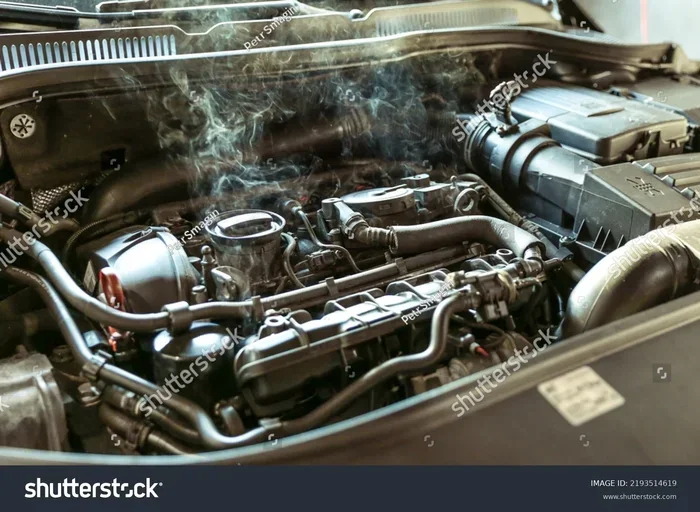
Steam or smoke coming from under the hood is a clear sign of overheating. The steam is usually coolant boiling away from a leak or a blown hose. You might also smell something sweet, which is the scent of antifreeze. A burning smell could mean the engine oil is getting too hot and starting to break down.
Listen for unusual sounds. A gurgling or bubbling noise from the engine area often means air pockets in the cooling system. A squealing sound could point to a loose serpentine belt that drives the water pump. Any of these signs mean you should stop the car and turn off the engine.
Common Causes of Engine Overheating
Low Coolant and Leaks
The most common reason for overheating is low coolant. Coolant can leak from hoses, the radiator, the water pump, or the heater core. Even a small leak can drop the fluid level enough to cause problems. Check the overflow tank regularly and top it off with the correct type of coolant. If you keep losing coolant, look for puddles under the car or white residue around hoses.
A pressure cap that is worn or weak can also cause coolant loss. The cap seals the cooling system and maintains pressure. Without proper pressure, the coolant boils at a lower temperature and can overflow into the overflow tank. Replacing a faulty cap is cheap and easy.
Thermostat and Water Pump Failures
The thermostat is a simple valve that opens and closes based on temperature. If it gets stuck closed, coolant cannot reach the radiator. The engine heats up fast. If it gets stuck open, the engine may never reach proper operating temperature. Either way, a stuck thermostat causes problems.
The water pump is the heart of the cooling system. It uses an impeller to push coolant through the engine. Over time, the impeller can wear out or the pump bearing can fail. A failing water pump often leaks coolant from a small hole near the front of the engine. If you notice a drip, get it checked right away.
Radiator and Fan Issues
The radiator cools the hot coolant by passing air over its fins. A clogged radiator cannot transfer heat properly. Dirt, bugs, and debris can block airflow through the fins. Flushing the radiator as part of regular coolant system maintenance helps prevent this.
The cooling fan kicks in when the car is moving slowly or idling. If the fan motor fails or the fan clutch is bad, the radiator does not get enough air. This often causes overheating in stop-and-go traffic. You might notice the temperature gauge rising every time you come to a red light.
What to Do If Your Engine Overheats
Immediate Steps to Take
If you see the temperature gauge climbing or steam appearing, act fast. Turn off the air conditioner to reduce the load on the engine. If that does not help, turn the heater to full blast. The heater core acts as a small radiator and pulls heat out of the engine. This can buy you a few minutes to find a safe place to pull over.
Never open the radiator cap while the engine is hot. The system is under pressure, and boiling coolant can spray out and cause serious burns. Wait at least 15 minutes for the engine to cool before checking anything. Once it is cool, you can check the coolant level in the overflow tank.
If the engine has overheated badly, do not try to drive it again. Calling a tow truck is the safest choice. Continuing to drive can crack the engine block or destroy the head gasket. In some cases, a severe overheat can cause the car to stop running entirely. If that happens, you may need assistance. Learn more about what to do when a car stops running while driving in our article Car Stopped Running While Driving And Won T Start.
When to Call for Help
If you cannot find the cause of the overheating, call a mechanic. Some problems, like a broken water pump or a failed fan, need professional tools and parts. A technician can pressure-test the cooling system to find hidden leaks. They can also check the thermostat and water pump operation. Trying to drive a car that keeps overheating will only make the damage worse.
Electric and Hybrid Engines: A Different Kind of Heat
How Hot Does a Car Engine Get in EVs?
Electric vehicles do not have a combustion engine, but they still generate heat. The electric motor and power electronics can get hot during fast driving or heavy loads. Most EVs use a liquid cooling system similar to a gas car, but the temperatures are usually lower. Electric motors are more efficient and waste less energy as heat.
Still, thermal management is critical in EVs. If the battery or motor gets too hot, the car will reduce power to protect itself. Some EVs use a heat pump to move warmth away from sensitive parts. The cooling system in an EV is just as important as in a gas car. If you are curious about whether electric cars can overheat, check out our article Can An Electric Car Overheat.
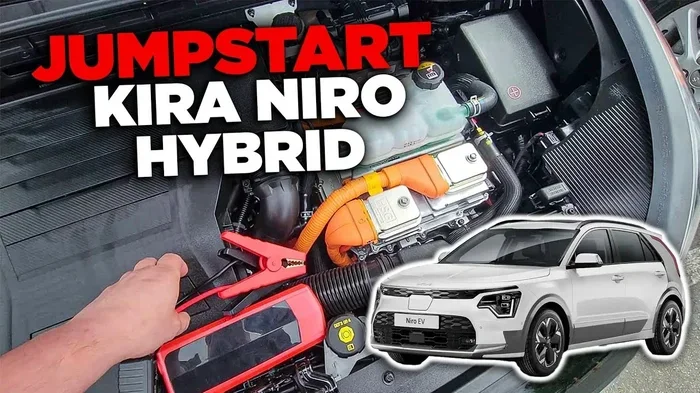
Hybrid cars combine a gas engine with an electric motor. The gas engine in a hybrid can overheat just like any other car, but it often runs less frequently. The electric motor helps reduce the load on the gas engine, which can keep temperatures lower. However, hybrids still need regular coolant checks and maintenance.
Preventing Overheating: Simple Maintenance Tips
Coolant Flushes and Hose Checks
One of the best ways to prevent overheating is to flush the coolant on schedule. Old coolant loses its ability to transfer heat and can become acidic. This can damage the water pump and corrode the radiator from the inside. Most manufacturers recommend a coolant flush every 30,000 to 50,000 miles, but check your owner’s manual for the exact interval.
While you are under the car, inspect the hoses. Coolant hoses carry fluid at high pressure and temperature. They can crack, swell, or develop soft spots over time. Squeeze the hoses gently. If they feel hard or brittle, replace them. A burst hose on the highway can cause a sudden loss of coolant and a quick overheat.
Driving Habits That Reduce Heat
Your driving style affects how much heat the engine produces. Aggressive acceleration and heavy towing put extra load on the engine. That means more combustion and more heat. If you haul a trailer up a mountain, the engine will run hotter than normal. In these situations, watch the temperature gauge closely and give the engine a break if it starts to climb.
Idling for long periods can also cause overheating because there is not much airflow through the radiator. If you are stuck in traffic on a hot day, the cooling fan should kick in. If you notice the temperature rising, shift into neutral and give the engine a little extra RPM. This helps the water pump and fan move more coolant and air.
Keeping the radiator clean is another simple step. Hose down the front of the radiator occasionally to remove bugs and dirt. Make sure the fan blades are not damaged. A damaged fan can reduce airflow and cause the engine to run hot, especially in slow traffic.
Finally, do not ignore small leaks. Even a tiny drip of coolant can turn into a big problem. Check the ground under your car after it has been parked overnight. A green, orange, or pink puddle is a sign of a coolant leak. Topping off the coolant and fixing the leak early can save you from a much bigger repair later.
Understanding how hot does a car engine get helps you become a smarter driver. You will notice warning signs earlier, respond better, and keep your car on the road longer. Regular maintenance, a watchful eye on the temperature gauge, and quick action when something seems off are the best ways to avoid engine overheating. A little attention today can save you from a major breakdown tomorrow.
Frequently Asked Questions
What is a normal engine temperature for a car?
Most car engines run between 195°F and 220°F (90°C to 104°C). This is the range where the engine operates efficiently and the coolant flows properly. If the needle stays in the middle of the gauge, your engine is at a healthy temperature.
What causes a car engine to overheat quickly?
The most common causes are low coolant, a faulty thermostat, a failing water pump, or a clogged radiator. A leak in the cooling system can drop the fluid level fast. Even a bad radiator cap that cannot hold pressure can cause the coolant to boil and overflow.
Can you drive a car if it is overheating?
You should not drive a car that is overheating. Continuing to drive can warp the engine block, blow the head gasket, or cause total engine failure. Pull over safely, turn off the engine, and call for a tow if the temperature gauge stays in the red.
Does hot weather make a car engine more likely to overheat?
Yes, hot weather puts extra stress on the cooling system. The radiator has a harder time dumping heat when the outside air is already hot. Stop-and-go traffic in summer is especially tough because there is little airflow through the radiator. Check your coolant level and condition before summer road trips.
How can I tell if my car is low on coolant?
You may see steam or a sweet smell under the hood. The temperature gauge may climb higher than normal. You can also check the overflow tank when the engine is cool. If the level is below the minimum line, you need to add the correct type of coolant. Look for leaks under the car or around hoses if you keep losing fluid.
Do electric cars overheat?
Electric cars can overheat, but their cooling systems are designed to keep temperatures lower than gas engines. The battery and electric motor have their own thermal management systems. If an EV overheats, it will often reduce power to protect itself. Regular maintenance of the cooling system is still important.
=== CONCLUSION ===
How hot does a car engine get is a question every driver should understand. Your engine runs hottest when it is working hard, and the cooling system is there to keep it safe. Normal operating temperature is between 195°F and 220°F, but many factors can push that number higher. Knowing the signs of overheating and the common causes puts you in control. Regular maintenance like coolant flushes, hose checks, and radiator cleaning can prevent most problems.
Whether you drive a gas car, a hybrid, or an electric vehicle, heat management matters. Pay attention to your temperature gauge, respond quickly to warnings, and never ignore steam or unusual smells. A little care goes a long way in keeping your engine healthy for years to come. Stay cool on the road and keep your engine running strong.