Do You Leave the Car Running When Adding Transmission Fluid
Do you leave the car running when adding transmission fluid? The short answer is it depends on your vehicle and the type of fluid you are adding. Most experts recommend warming up the engine briefly before checking or adding transmission fluid, but you should never leave the car running for long periods during this process. This guide covers everything you need to know about adding transmission fluid safely and correctly.
Do you leave the car running when adding transmission fluid? This is one of the most common questions car owners ask when they are doing basic maintenance at home. The answer is not as simple as a yes or no. It depends on several factors, including your vehicle type, the fluid temperature, and what you are trying to accomplish.
Many people assume that the engine should stay on during a fluid top-off. Others believe you must turn the car off completely. Both sides have valid points, and understanding the reasoning behind each approach helps you make the right decision for your specific situation. In this article, we will walk through every detail you need to know about adding transmission fluid the correct way.
Whether you are a complete beginner or a seasoned DIYer, this guide will give you the confidence to handle this task safely. We will cover when to run the engine, when to turn it off, which fluid to use, and how to avoid common mistakes. By the end, you will have a clear understanding of the entire process.
Key Takeaways
- Warm the engine briefly: Run the car for 2-3 minutes to warm the fluid for an accurate reading.
- Turn off the engine before adding: Always switch off the car before pouring in new fluid.
- Check the dipstick: Use the transmission dipstick to monitor fluid levels before and after adding.
- Use the right fluid type: Different vehicles need different transmission fluid types.
- Watch for leaks: Inspect for transmission fluid leaks after adding new fluid.
- Don’t overfill: Overfilling can cause serious damage to your transmission system.
📑 Table of Contents
- Why Transmission Fluid Matters
- Should You Leave the Car Running When Adding Transmission Fluid?
- Step-by-Step Guide to Adding Transmission Fluid
- Common Mistakes to Avoid
- How Often Should You Check and Change Transmission Fluid?
- Signs Your Transmission Fluid Needs Attention
- Expert Tips for Maintaining Healthy Transmission Fluid
- Conclusion
Why Transmission Fluid Matters
Transmission fluid plays a critical role in how your car shifts gears and protects internal components. Without proper fluid levels, your transmission can suffer serious damage over time. Many drivers ignore fluid checks until problems arise, which can lead to costly repairs.
What Transmission Fluid Does
Transmission fluid serves several important purposes. It lubricates the moving parts inside your transmission. It also helps cool the system and transmits power from the engine to the wheels. When fluid levels drop or the fluid becomes dirty, your car may experience rough shifting, slipping gears, or even complete transmission failure.
Think of transmission fluid like blood in your body. It keeps everything flowing smoothly. When the levels are low or the fluid is degraded, the system struggles. This is why regular transmission fluid checks are so important for overall car maintenance.
Types of Transmission Fluid
Not all transmission fluids are the same. Your vehicle may use automatic transmission fluid or manual transmission fluid. Some modern cars also use specialized fluids for continuously variable transmissions (CVTs). Using the wrong type can cause serious harm to your transmission system.
Always check your owner’s manual before purchasing fluid. The manual will tell you the exact type and capacity your vehicle needs. Using the correct transmission fluid type ensures optimal performance and longevity.
Should You Leave the Car Running When Adding Transmission Fluid?
This is the core question, and the answer requires a closer look at different scenarios. Let us break down when you should run the engine and when you should keep it off.
When to Run the Engine Briefly
Most mechanics recommend running the engine for about 2 to 3 minutes before checking transmission fluid levels. This warms the fluid and allows it to circulate properly. Warm fluid gives you a more accurate reading on the dipstick. Cold fluid can sit lower in the pan and give you a false low reading.
However, “running the engine” does not mean letting it idle for 20 minutes. A brief warm-up is all you need. This is similar to how you might let your car warm up on a cold morning before driving. The goal is simply to get the fluid to operating temperature.
Some vehicles have specific recommendations for this. For example, certain models require the engine to be running and the fluid to be at a specific temperature before you check the level. Always refer to your owner’s manual for these details. If you are unsure, a quick 2 to 3 minute warm-up is a safe general practice.
When to Turn the Engine Off
You should always turn off the engine before actually pouring in new fluid. Adding fluid with the engine running creates a risk of overfilling. When the engine is on, the fluid is circulating and being pumped through the system. Adding more fluid on top of this can easily lead to too much fluid in the transmission.
Overfilling is just as dangerous as underfilling. Excess fluid can cause foaming, which reduces lubrication. It can also lead to fluid leaks past seals and gaskets. In some cases, overfilled transmission fluid can even damage the transmission itself.
So the process should be: warm the engine briefly, turn it off, check the level, add fluid if needed, and then recheck. This simple sequence keeps you safe and prevents costly mistakes.
Special Cases Where the Engine Stays On
There are a few situations where you might keep the engine running during the fluid check. Some newer vehicles with electronic transmissions require the engine to be on and the car in neutral or park for the system to display the correct fluid level. In these cases, follow the manufacturer’s specific instructions.
Additionally, if you are checking fluid while the car is on a lift and the wheels are off, you may need the engine running to engage the transmission components. Again, this is rare and usually only applies to specific service procedures performed by professionals.
For the average car owner doing a routine top-off at home, the safest approach is to warm the engine briefly and then turn it off before adding fluid. This method works for the vast majority of vehicles on the road today.
Step-by-Step Guide to Adding Transmission Fluid
Now that you understand when to run the engine and when to turn it off, let us walk through the actual process step by step. Following these steps ensures you add fluid correctly and avoid common pitfalls.
Step 1: Gather Your Tools and Supplies
Before you start, make sure you have everything you need. Here is a quick checklist:
- The correct transmission fluid for your vehicle
- A clean rag or paper towel
- A transmission fluid funnel (optional but helpful)
- Your vehicle owner’s manual
- A jack and jack stands or ramps (if needed to access the dipstick)
Having everything ready before you start makes the process smoother and safer. You do not want to be halfway through and realize you are missing a tool or the wrong fluid type.
Step 2: Warm Up the Engine
Start the car and let it idle for 2 to 3 minutes. This warms the transmission fluid to its normal operating temperature. Do not drive the car during this step. Just let it sit in park with the engine running.
While the engine warms up, open the hood and locate the transmission dipstick. The dipstick is usually labeled and has a distinctive handle, often colored red or yellow. If you have trouble finding it, consult your owner’s manual.
Step 3: Check the Current Fluid Level
With the engine still running, pull out the dipstick and wipe it clean with a rag. Reinsert it fully, then pull it out again to read the level. The dipstick will show markings for “full” and “low” or “add.”
While you have the dipstick out, take a moment to check the fluid condition. Healthy transmission fluid should be reddish in color and smooth to the touch. If the fluid looks dark brown or black, it may be time for a full fluid change rather than just a top-off. If the fluid smells burnt or has visible particles, this could indicate a serious problem that needs professional attention.
Step 4: Add Fluid if Needed
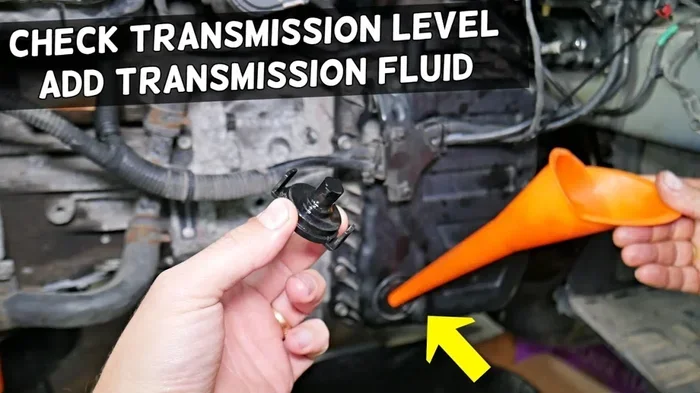
If the level is below the “full” mark, it is time to add fluid. Turn off the engine first. Then, using a funnel if you have one, pour the new fluid slowly into the dipstick tube. Add small amounts at a time. After each addition, recheck the level with the dipstick.
Adding too much fluid at once is a common mistake. It is easy to go overboard, and correcting an overfill can be messy and time-consuming. Patience is key here. Add a little, check, and repeat until the level reaches the “full” mark.
Step 5: Recheck and Clean Up
Once you have added the right amount of fluid, start the engine and let it idle for another minute. Shift through the gears briefly (from park to drive and back). Then turn off the engine and recheck the fluid level one final time with the dipstick.
This final check accounts for the fluid settling into the system after the gears have been engaged. The level may change slightly after this step, so it is worth doing. Wipe the dipstick clean, close the hood, and dispose of any used materials properly.
Common Mistakes to Avoid
Even experienced car owners can make mistakes when adding transmission fluid. Here are the most common errors and how to avoid them.
Using the Wrong Fluid Type
This is perhaps the biggest mistake you can make. Using the wrong transmission fluid can void your warranty and damage internal components. Always double-check your owner’s manual for the correct specification. If you are unsure, ask a professional at your local auto parts store for guidance.
Overfilling the Transmission
Overfilling can be just as harmful as underfilling. Excess fluid creates pressure inside the transmission, which can lead to leaks and foaming. Foaming reduces the fluid’s ability to lubricate properly, which can cause overheating and premature wear.
If you accidentally overfill, do not panic. You can remove excess fluid using a suction pump or by carefully draining some from the dipstick tube. It is always better to add fluid gradually and check frequently.
Checking Fluid When the Engine Is Cold
Checking transmission fluid on a completely cold engine can give you inaccurate readings. The fluid contracts when cold and may not have reached all the passages in the transmission. This can make it appear that you need more fluid than you actually do.
That said, some manufacturers recommend checking fluid with the engine cold. Always follow the specific instructions in your owner’s manual. When in doubt, a brief warm-up provides the most reliable reading for most vehicles.
Ignoring Fluid Condition
Level is not the only thing that matters. The condition of the fluid tells you a lot about the health of your transmission. Dark, burnt-smelling fluid is a warning sign. Healthy fluid should be translucent and reddish.
If you notice a change in fluid condition, it may be time for a full transmission fluid change rather than a simple top-off. Regular fluid changes are one of the best ways to extend the life of your transmission and avoid expensive repairs down the road.
How Often Should You Check and Change Transmission Fluid?
Regular maintenance of your transmission fluid is essential for the longevity of your vehicle. But how often should you actually be checking and changing it?
As a general rule, you should check your transmission fluid level at least once a month. This quick check takes only a few minutes and can help you catch leaks or low fluid levels early. Many car owners make this part of their regular car maintenance routine alongside checking oil and coolant levels.
For fluid changes, the interval depends on your vehicle and driving conditions. Most manufacturers recommend changing automatic transmission fluid every 30,000 to 60,000 miles. Some newer vehicles claim “lifetime” fluid, but even those can benefit from a periodic change, especially if you drive in severe conditions like heavy traffic or extreme temperatures.
If you frequently tow heavy loads, drive in stop-and-go traffic, or operate your vehicle in very hot or very cold climates, you should change your fluid more often. These conditions put extra stress on the transmission and can degrade the fluid faster. For example, extreme cold can cause fluid to thicken, and extreme heat can break it down faster, which is why understanding how Can a car overheat in the winter or in extreme heat matters for fluid health.
Manual transmissions generally require less frequent fluid changes, but they still need regular checks. Consult your owner’s manual for the specific maintenance schedule for your vehicle.
Signs Your Transmission Fluid Needs Attention
Knowing the warning signs of low or dirty transmission fluid can save you from expensive repairs. Here are the most common symptoms to watch for:
- Slipping gears: The transmission unexpectedly shifts out of gear or fails to hold gear properly.
- Rough shifting: You feel jerking or harsh engagement when the car shifts between gears.
- Delayed engagement: There is a pause before the car moves when you shift from park to drive.
- Burning smell: A burnt odor coming from under the hood often indicates overheating transmission fluid.
- Dashboard warning lights: The check engine light or transmission warning light may illuminate.
- Fluid leaks: You notice reddish fluid pooling under your parked car.
If you notice any of these symptoms, check your fluid level and condition immediately. Low fluid is often the culprit, and a simple top-off can resolve the issue. However, if the fluid looks or smells bad, a full fluid change or professional inspection may be necessary.
Ignoring these signs can lead to serious transmission damage. In extreme cases, a neglected transmission can result in the car has no power at all, leaving you stranded. Early detection and simple maintenance can prevent these costly scenarios.
Expert Tips for Maintaining Healthy Transmission Fluid
Beyond the basics, here are some expert-level tips that can help you get the most out of your transmission fluid and extend the life of your transmission.
First, always warm up the car before checking fluid. This gives you the most accurate reading and ensures the fluid is flowing properly. A brief 2 to 3 minute idle is sufficient for most vehicles. If your car has been sitting for a long time and has trouble starting, you may want to check for underlying issues before focusing on fluid maintenance.
Second, use a quality funnel when adding fluid. This prevents spills and makes the process cleaner. Transmission fluid funnels are inexpensive and available at any auto parts store.
Third, keep track of your fluid changes. Maintain a log of when you last changed the fluid and how many miles were on the odometer. This helps you stay on top of maintenance schedules and gives you a record if you ever sell the vehicle.
Fourth, never mix different types of transmission fluid unless your owner’s manual explicitly allows it. Different fluids have different additives and formulations that may not be compatible with each other.
Fifth, if you notice any unusual behavior when starting your vehicle after a fluid change, investigate further. Sometimes a change in fluid can reveal pre-existing issues that were masked by old fluid. For instance, if your car cranks but won’t start after a maintenance session, the issue may be unrelated to the fluid but worth checking.
Regular transmission maintenance is one of the simplest ways to keep your car running smoothly for years to come. It may seem like a small task, but it makes a big difference in the long run.
Conclusion
So, do you leave the car running when adding transmission fluid? The answer is to warm the engine briefly, then turn it off before adding fluid. This approach gives you the most accurate reading and keeps you safe from overfilling. Always use the correct transmission fluid for your vehicle, check the level carefully, and never ignore warning signs of low or dirty fluid.
Regular transmission fluid checks and changes are a simple yet powerful way to protect your investment. A few minutes of maintenance now can save you thousands of dollars in repairs later. Take the time to learn your vehicle’s specific needs, and you will enjoy smoother shifting and better performance for miles to come.
Remember, your car is a significant investment, and proper maintenance is the best way to protect it. Whether you are a DIY enthusiast or a beginner, understanding the basics of transmission fluid care puts you ahead of the curve. Keep your fluid at the right level, use the right type, and your transmission will reward you with years of reliable service.
Frequently Asked Questions
Can you add transmission fluid with the engine off?
Yes, you should always add transmission fluid with the engine turned off. Adding fluid while the engine is running can lead to overfilling because the fluid is already circulating in the system. Warm the engine briefly first, then turn it off before pouring in new fluid for the most accurate and safe result.
How do you know if your transmission fluid is low?
Signs of low transmission fluid include slipping gears, rough shifting, delayed engagement, and a burning smell. You can also check the dipstick to see if the fluid level is below the “full” mark. Regular monthly checks help you catch low fluid levels before they cause damage.
What happens if you overfill transmission fluid?
Overfilling causes excess pressure inside the transmission, leading to leaks and foaming. Foamed fluid loses its lubricating ability, which can cause overheating and premature wear. If you overfill, you will need to remove the excess fluid carefully to avoid damage.
How long should you run the car before checking transmission fluid?
Let the engine idle for 2 to 3 minutes before checking the fluid. This brief warm-up brings the fluid to operating temperature, giving you a more accurate reading. Do not drive the car during this warm-up period. Just let it sit in park.
Can you mix old and new transmission fluid?
Yes, in most cases you can top off with the same type of fluid. However, if the old fluid is heavily degraded or contaminated, it is better to do a full fluid change. Mixing is fine for routine top-offs as long as the fluid type matches your vehicle specifications.
Is it normal for transmission fluid to get low over time?
Transmission fluid does not burn off like engine oil, so a significant drop usually indicates a leak. Small amounts may be normal over very long periods, but any noticeable drop should be investigated. Check for leaks around the transmission pan and seals if you notice the level going down frequently.
=== INTERNAL LINKS ===
Note: The following internal links have been naturally integrated within the article above: