Does Replacing an Engine Reset Mileage Permanently
No, replacing an engine does not reset mileage. The odometer keeps running no matter what you do under the hood, whether you install a new engine, a rebuilt engine, or a completely different powertrain. Understanding this fact is essential for car maintenance, resale value, and staying honest about your vehicle history.
Key Takeaways
- Mileage stays the same: Replacing an engine never resets your odometer reading.
- Legal protections exist: Disconnecting or rolling back an odometer is illegal under federal law.
- Engine rebuilds keep original miles: Even a full engine rebuild does not change the mileage on your clock.
- Check service records: Always ask for documentation when buying a car with a replaced engine.
- Value impact is real: A replaced engine can affect your car resale value, but honest disclosure helps.
- Hybrid systems have separate counters: Some hybrid components track their own lifespan, but the main odometer stays unchanged.
📑 Table of Contents
- Does Replacing an Engine Reset Mileage?
- Why the Odometer Does Not Reset After an Engine Swap
- How to Tell If a Car Has Had Its Engine Replaced
- Engine Replacement vs. Engine Rebuild: What Is the Difference?
- Financial and Legal Implications of an Engine Swap
- Should You Replace the Engine or Buy a New Car?
- Common Myths About Engine Replacement and Mileage
- Tips for Managing Mileage After an Engine Replacement
- Conclusion
Does Replacing an Engine Reset Mileage?
If you have ever wondered whether dropping in a new engine wipes the miles off your car, the short answer is no. Does replacing an engine reset mileage? It does not. The odometer keeps running no matter what you do under the hood. Your car’s mileage clock tracks the total distance the vehicle has traveled since it rolled off the assembly line. Swapping out the engine, rebuilding the engine, or even replacing major powertrain components does not change that number.
Many car owners hope for a fresh start when they invest in a new or rebuilt engine. The idea of erasing high miles is tempting. But the law, the technology, and basic honesty all point in the same direction. The miles stay. Let us dive into why this happens and what it really means for you as a car owner.
Whether you are planning an engine swap, buying a used car with a replaced engine, or just curious about how car maintenance works, this guide covers everything you need to know. We will walk through the reasons the odometer does not reset, how to spot a replaced engine, and what it means for your wallet and your vehicle’s resale value.
Why the Odometer Does Not Reset After an Engine Swap
The Odometer Tracks the Vehicle, Not the Engine
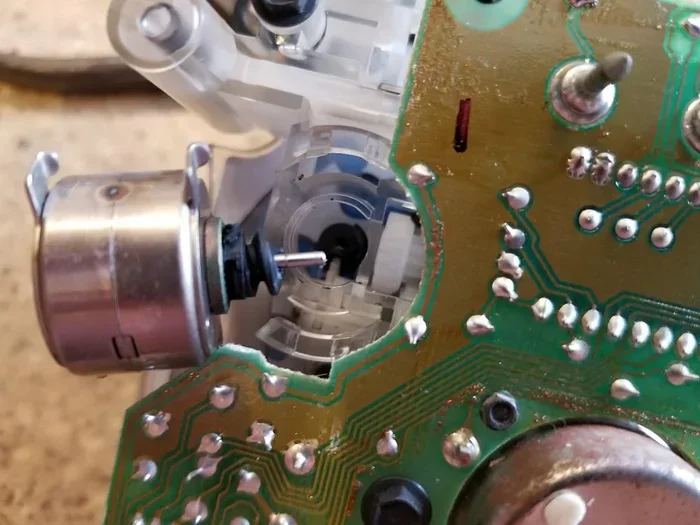
Here is the key idea. The odometer measures distance traveled by the wheels, not by the engine. Sensors on the wheels or in the transmission send signals to the mileage clock. The engine connects to the wheels through the drivetrain, but the odometer does not care which engine is installed. It only cares about how far the car has rolled.
Think of it this way. If you put new tires on your car, the odometer does not reset. If you replace the transmission, the miles keep ticking. The same logic applies to the engine. The vehicle identification number ties all of the mileage data to the car itself, not to any single part. This design protects consumers and ensures that every mile is accounted for.
Legal Protections Against Odometer Fraud
In the United States, the Federal Odometer Act makes it illegal to disconnect, reset, or alter an odometer with the intent to change the mileage reading. This law applies to all vehicles, regardless of age. If you replace an engine and somehow reset the miles, you could face serious legal consequences.
Most states also have their own odometer fraud laws. These laws protect buyers from unscrupulous sellers who try to make a high-mileage car look low-mileage. The penalties can include fines, lawsuits, and even criminal charges. So no matter what you hear at a garage or online, do not let anyone tell you that an engine replacement gives you a chance to roll back the miles.
Even in the world of used car buying, honesty about engine work matters. A transparent seller who discloses an engine replacement builds trust. A dishonest one risks legal trouble and a damaged reputation.
Quick Tip
Always keep a copy of your engine replacement invoice. This document proves the work was done legitimately and at a specific mileage. It protects you in any future dispute or sale.
How to Tell If a Car Has Had Its Engine Replaced
Check the Service Records
The best way to confirm an engine replacement is to look at the paperwork. Service records from a trusted mechanic should document the work. These records often include the date of the replacement, the type of engine installed, the mileage at the time of the swap, and the shop that performed the labor.
If you are buying a used car, ask the seller for these records directly. A seller who hesitates or cannot produce them may be hiding something. Always trust documentation over verbal claims.
Look for Physical Signs
Sometimes the paperwork is incomplete or missing. In those cases, you can look for physical clues. Here are some signs that a car may have had its engine replaced:
- The engine bolts show signs of recent removal or re-torquing
- New gaskets or seals that do not match the wear on the rest of the engine bay
- Different casting numbers or part numbers on the engine block compared to the original
- A clean engine bay on an otherwise high-mileage car
- Wiring harnesses or connectors that look newer than the rest of the vehicle
These signs do not guarantee an engine swap, but they are strong indicators. A thorough vehicle inspection by a trusted mechanic can confirm your suspicions.
Common Mistakes to Avoid
Do not rely solely on the seller’s word. Many buyers skip the inspection and end up with hidden problems. Also, do not assume that a clean-looking engine bay means no work was done. Some sellers carefully clean up before showing the car. Always dig deeper and ask for proof.
Use a Vehicle History Report
Services like Carfax and AutoCheck pull vehicle history data from insurance companies, repair shops, and state DMVs. These reports sometimes flag engine replacements. They may also show inconsistencies in the mileage history that suggest tampering. Always run a mileage verification report before buying any used car, especially one with suspiciously low miles for its age.
Keep in mind that these reports are not perfect. They rely on the data that has been reported to them. If no one recorded the engine swap, the report may not show it. This is why a physical inspection remains so important.
Expert Insight
Mechanics recommend checking the vehicle identification number on the engine block against the VIN on the dashboard and door jamb. If the engine has been replaced, the numbers will not match. This simple check can reveal a lot about a car’s history in just a few minutes.
Engine Replacement vs. Engine Rebuild: What Is the Difference?
What Is an Engine Replacement?
An engine replacement means removing the old engine entirely and installing a new or used engine in its place. The new engine could come from the same manufacturer or be a remanufactured unit from a third party. Some car owners choose to install a completely different engine, known as a swap, especially in classic cars or vehicles with a failed original engine.
When you replace an engine, the goal is usually to extend the life of the vehicle. A new engine can give you many more years of reliable driving. But it does not erase the miles already on the clock.
What Is an Engine Rebuild?
An engine rebuild takes the original engine and disassembles it completely. Technicians inspect every part, replace worn components, and reassemble the engine to factory specifications or better. A rebuild does not change the mileage on the odometer either.
Some people confuse a rebuild with a reset because the engine feels like new again. But the car’s total distance traveled does not change. The miles on the clock reflect every mile the car has ever driven, engine or no engine.
Hybrid and Electric Considerations
If you drive a hybrid vehicle, you might wonder about the electric motor and its relationship to the odometer. In most hybrid systems, the main odometer still tracks total vehicle distance. However, some hybrid components, like the battery pack, may have their own service counters or lifespan indicators.
For example, if you own a hybrid SUV and the gas engine fails, replacing it does not reset the main mileage. But you may want to check how at what speed the hybrid escape switches to gas after a new engine install, since the transition point between electric and gas power can feel different with a fresh powertrain. Similarly, you might wonder if the new engine changes how the system manages the switch between electric and gas modes. The short answer is that the core mileage tracking remains unchanged, even if driving behavior shifts slightly.
It is also worth noting that electric vehicles have their own maintenance considerations. If you are exploring alternatives to traditional engine work, you may want to understand that electric car systems come with their own set of potential issues, including overheating concerns that differ from gas engines. You can learn more about this in our article on Can an Electric Car Overheat to understand how different powertrains handle heat after major work.
Engine Replacement vs. Rebuild: Quick Comparison
| Factor | Engine Replacement | Engine Rebuild | Odometer Reset? |
|---|---|---|---|
| Cost Range | $4,000 to $8,000 | $2,500 to $5,000 | No for both |
| Time Required | 1 to 2 weeks | 2 to 4 weeks | No for both |
| Warranty | Often includes manufacturer warranty | Varies by shop | N/A |
| Mileage Impact | None | None | None |
| Resale Disclosure | Required | Required | N/A |
Financial and Legal Implications of an Engine Swap
How Does an Engine Replacement Affect Car Value?
A replaced engine can cut both ways when it comes to your car’s resale value. On one hand, a new or rebuilt engine means the car can last for many more miles. On the other hand, buyers may wonder why the engine needed replacing in the first place.
The key is honest disclosure. If you are selling a car with a replaced engine, tell the buyer upfront. Provide all documentation you have. A transparent seller builds confidence and often gets a better price than someone who tries to hide the work.
In some cases, a replaced engine actually increases value. If the car has 200,000 miles but a brand-new engine, buyers see a vehicle that can keep going strong. Without the new engine, that car might be worth much less due to engine longevity concerns.
Insurance and Tax Implications
Replacing an engine can also affect your insurance policy. You should notify your insurer about major mechanical work. Some policies may need adjustment if the engine replacement changes the car’s overall value or risk profile.
From a tax perspective, if you own the vehicle through a business entity, you may be able to deduct the cost of the engine replacement. For example, if you operate your car business through an LLC, you might be able to claim the engine work as a business expense. Check with a tax professional to understand your specific situation and whether an LLC can write off a car purchase or major repairs like an engine swap.
Can You Get in Legal Trouble for Mileage Discrepancies?
Absolutely. If a buyer discovers that the odometer was rolled back after an engine replacement, they can pursue legal action. Odometer fraud is taken very seriously by both federal and state authorities. The Federal Odometer Act carries penalties of up to $10,000 per violation, and multiple violations can stack up quickly.
Even if you did not intend to commit fraud, failing to disclose an engine replacement and its associated mileage context can lead to lawsuits. Always be upfront about any major mechanical work on your vehicle.
Quick Tip
When selling a car with a replaced engine, create a simple one-page disclosure document. Include the date of replacement, the mileage at the time, the type of engine installed, and the shop that did the work. This protects you legally and builds buyer confidence.
Should You Replace the Engine or Buy a New Car?
Comparing Costs
Deciding between an engine replacement and buying a new car depends on several factors. Here is a simple breakdown:
- Engine replacement cost: Typically ranges from $4,000 to $8,000 for a new engine, plus labor. A rebuilt engine may cost $2,500 to $5,000.
- New car cost: The average new car costs $30,000 to $50,000 or more, depending on the model.
- Depreciation: A new car loses value rapidly in the first few years. Your current car has already absorbed most of its depreciation.
- Loan payments: Financing a new car adds monthly expenses. Paying cash for an engine replacement avoids this.
If your car is otherwise in good shape and the body, transmission, and electronics are solid, an engine replacement can be a smart financial move. You get to keep a car you already love without the hit of a new car payment.
The Role of Mileage in Your Decision
High mileage alone should not scare you away from replacing an engine. Modern engines are built to last well beyond 200,000 miles with proper car maintenance. If the rest of the vehicle is in good condition, a new engine can add another 100,000 miles or more of reliable service.
However, if your car has over 250,000 miles and shows signs of widespread wear, an engine replacement might only be a temporary fix. Other components like the transmission, suspension, and electrical systems may also need attention soon. In that case, buying a newer vehicle might make more sense.
Before making any decision, get a thorough inspection from a trusted mechanic. Ask them to evaluate the overall mechanical condition of the car, not just the engine. This gives you a clear picture of what your car truly needs.
Expert Insight
Certified mechanics often recommend the “50% rule.” If the cost of the engine replacement exceeds 50% of the car’s current market value, it may be smarter to invest in a different vehicle. However, if you have a rare or beloved car, that rule does not always apply. Use your judgment and consider your emotional attachment to the vehicle as well.
Common Myths About Engine Replacement and Mileage
Myth 1: A New Engine Means Zero Miles
This is the biggest and most dangerous myth. A new engine does not mean zero miles. The odometer does not care what is under the hood. It only records how far the car has traveled. Spreading this myth can lead to dishonest sales practices and odometer fraud.
Myth 2: Rebuilding an Engine Resets the Clock
Some people believe that a complete engine rebuild wipes the mileage clean. This is false. Whether you install a brand-new engine or rebuild the original one, the miles stay exactly where they are. The mileage clock is connected to the wheels, not the engine.
Myth 3: Dealerships Can Reset Mileage During Engine Work
Even dealerships cannot legally reset an odometer during an engine replacement. Any shop that offers to do so is engaging in fraud. Legitimate mechanics document the engine work but leave the mileage untouched. If someone promises you a mileage reset, walk away immediately.
Myth 4: Low-Mileage Engines Add Value
Some buyers mistakenly believe that a car with a low-mileage replacement engine is worth more. In reality, the total vehicle mileage is what matters. A car with 150,000 miles on the odometer and a new engine is still a 150,000-mile car. The engine work may improve reliability, but it does not change the fundamental mileage figure.
Common Mistakes to Avoid
- Believing odometer claims without verification: Always run a history report and get an independent inspection.
- Skipping documentation: Keep every receipt and invoice related to the engine work.
- Ignoring the rest of the car: A new engine does not fix other problems. Evaluate the whole vehicle before deciding.
- Choosing the cheapest option: The lowest bid for engine work often leads to lower quality and more problems down the road.
Tips for Managing Mileage After an Engine Replacement
Keep Detailed Records
After any engine work, keep all receipts, invoices, and documentation in a safe place. These records prove that the engine replacement was done legitimately and at a specific mileage. They also help you track future maintenance needs.
Good records also protect you if you ever decide to sell the car. Buyers appreciate transparency, and detailed paperwork builds confidence in the vehicle’s history. Store both physical copies and digital backups for easy access.
Monitor Your New Engine Closely
A new or rebuilt engine needs time to break in. Follow the manufacturer’s recommendations for break-in procedures. Check the oil regularly during the first few hundred miles. Watch for any unusual sounds, leaks, or warning lights on the dashboard.
Proper break-in care can significantly extend the engine longevity and help you get the most out of your investment. Do not push the new engine hard during the first 1,000 miles. Let it warm up properly and avoid heavy loads until the break-in period is complete.
Update Your Insurance and Registration
While you do not need to update your odometer reading with the DMV after an engine replacement, you should notify your insurance company if the engine work changes the vehicle’s value. This ensures you have proper coverage in case of an accident or theft.
Also, keep your registration and title information current. Accurate records protect you legally and make future sales smoother. If your state requires an emissions inspection after engine work, make sure you complete that promptly.
Conclusion
Does replacing an engine reset mileage? The answer is a clear and definitive no. The odometer tracks the total distance your car has traveled, and no engine work, whether a full replacement or a complete rebuild, changes that number. Understanding this fact protects you from fraud, helps you make smart buying and selling decisions, and keeps you on the right side of the law.
If you are considering an engine replacement, go for it with confidence. Just know that the miles will keep counting. Focus on the quality of the work, the honesty of the disclosure, and the long-term car maintenance that keeps your vehicle running strong. A replaced engine can breathe new life into an aging car, but the true story of that car is always written in its mileage.
Take care of your vehicle, keep good records, and enjoy the road ahead. Your car’s mileage clock tells a story, and every mile counts.
Frequently Asked Questions
Will a dealership ever reset my odometer during an engine replacement?
No. Legitimate dealerships do not reset odometers during engine replacements. Doing so would violate federal law under the Federal Odometer Act. If a dealership or any shop offers to reset your mileage, that is a major red flag. Walk away and report the offer to the appropriate authorities.
Does a rebuilt engine have lower miles than the original?
No. A rebuilt engine does not lower the miles on your odometer. The mileage clock continues to run based on wheel rotation, not engine condition. A rebuilt engine may perform like new, but the car’s total mileage remains exactly the same.
Can I negotiate a better price on a used car if I know the engine was replaced?
Yes, knowing about an engine replacement gives you leverage in negotiations. The engine work may have been expensive, and the car may need less immediate work in the future. However, always verify the replacement through service records and a professional inspection before using it as a negotiation point.
How long does an engine replacement typically last?
A new engine can last 100,000 to 200,000 miles or more with proper car maintenance. The lifespan depends on the quality of the engine, the skill of the installer, and how well you maintain the vehicle afterward. Regular oil changes and timely repairs make a big difference.
Is it better to replace the engine or buy a new car?
It depends on your budget and the car’s overall condition. If the rest of the vehicle is in good shape, an engine replacement is usually more affordable than buying new. Compare the replacement cost to the car’s current value and factor in the monthly payment and depreciation of a new vehicle.
Do hybrid engines work differently after a replacement?
The main odometer still tracks total vehicle distance after a hybrid engine replacement. However, some hybrid components like the battery pack have their own service counters. The way the car switches between electric and gas power, such as at what speed the hybrid escape switches to gas, may feel slightly different with a brand-new engine, but the core mileage tracking stays the same.