How Long Can You Safely Drive With a Failing Alternator
Driving with a failing alternator is risky but sometimes unavoidable in short bursts. Your car can typically run on battery power alone for 30 minutes to an hour, but this window shrinks fast once electrical demands increase. Recognizing early warning signs and acting quickly can prevent a complete breakdown and costly repairs.
Your car’s alternator is one of those parts you never think about until something goes wrong. And when it does go wrong, you are left asking one very urgent question: how long can you drive with a failing alternator?
The short answer is not very long. But the full answer depends on several factors, including your battery health, driving conditions, and how many electrical accessories you are running. This guide breaks everything down in plain language, so you know exactly what to expect and what to do next.
Whether you noticed a flickering dashboard light or your mechanic just confirmed a failing alternator, this article will help you make a smart decision about whether to keep driving or call for help right away.
Key Takeaways
- A failing alternator means your car runs on battery power alone, which only lasts a limited time before the engine stalls.
- Common warning signs include dim headlights, a battery warning light, and unusual whining noises from the engine bay.
- You can usually drive 30 to 60 minutes with a failing alternator, depending on your battery charge and electrical load.
- Ignoring alternator problems can lead to a dead battery, stalling, and roadside breakdowns that leave you stranded.
- Replacing an alternator costs between $300 and $1,000, depending on your vehicle make and model.
- Regular maintenance and early detection can save you from sudden electrical failures and expensive towing bills.
📑 Table of Contents
- What Does an Alternator Do in Your Car?
- Warning Signs of a Failing Alternator
- How Long Can You Actually Drive With a Failing Alternator?
- What Happens When the Alternator Fails Completely While Driving?
- Can You Drive With a Failing Alternator and a P0171 Code?
- Alternator Replacement Cost and Timeline
- Preventive Maintenance to Avoid Alternator Failure
- When Should You Not Drive at All?
- Key Takeaways
- Conclusion
What Does an Alternator Do in Your Car?
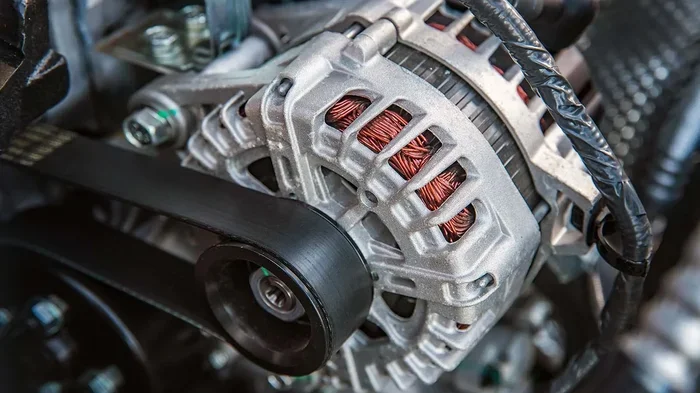
Before we talk about how long you can drive with a bad alternator, it helps to understand what this part actually does. Think of the alternator as your car’s electrical generator. While the engine runs, the alternator converts mechanical energy into electrical energy. This power keeps your battery charged and runs all the electrical systems in your vehicle.
Here is a quick look at what the alternator powers:
- Battery charging system — keeps your battery topped off
- Headlights and interior lights — essential for visibility
- Power accessories — power windows, mirrors, and locks
- Engine control unit — manages fuel injection and timing
- Infotainment system — radio, GPS, and screens
- Climate control fans and pumps — keeps you comfortable
Without a working alternator, your car relies entirely on the battery. And a car battery is not designed to power everything on its own for long. It is like using a backup generator instead of the main power supply — it works for a little while, but it will not last.
Warning Signs of a Failing Alternator
One of the best things you can do is catch alternator problems early. The sooner you spot the signs, the less likely you are to face a sudden breakdown. Here are the most common alternator symptoms to watch for:
Battery Warning Light on the Dashboard
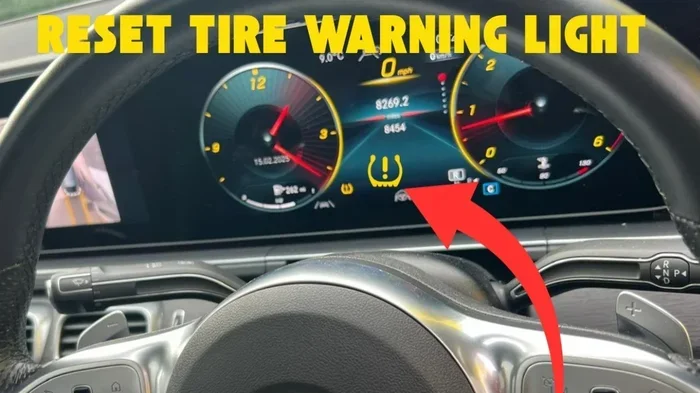
This is the most obvious clue. If you see a battery-shaped light glowing on your dash, your charging system is not working properly. It does not always mean the alternator is dead, but it is a strong signal that something in the charging system needs attention.
Dim or Flickering Headlights
Notice your headlights looking dimmer than usual, especially at idle? This happens because the alternator is not producing enough power. When you rev the engine and the lights brighten, that is another telltale sign of alternator trouble.
Unusual Sounds from the Engine Bay
A failing alternator often makes a whining or grinding noise. This usually comes from a worn bearing inside the alternator. If you hear something unusual, do not ignore it. Ignoring it can turn a simple repair into a much bigger problem.
Electrical Failures and Malfunctions
Power windows moving slowly, a flickering dashboard, or a dead radio — these can all point to insufficient electrical output. When the alternator cannot keep up, everything that runs on electricity starts to suffer.
Dead Battery or Frequent Jump-Starts
If your battery keeps dying, the alternator may not be charging it properly. A healthy alternator should maintain battery charge during every drive. Frequent jump-starts are a red flag that something is wrong with the electrical system.
How Long Can You Actually Drive With a Failing Alternator?
This is the question everyone wants answered, and the honest truth is that it varies. There is no single number that fits every situation. But here is a general breakdown to help you understand your window.
Driving on a Full Battery
If your battery is fully charged and in good condition, you might get 30 to 60 minutes of driving time with a failing alternator. This assumes you are not running too many electrical accessories. Keep the lights off, the radio silent, and the climate control on low to stretch that time as far as possible.
Driving on a Partially Charged Battery
If your battery is already weak, your time shrinks significantly. You might only get 10 to 20 minutes before the engine stalls. This is especially true in cold weather, when batteries already struggle to hold a charge.
The Role of Electrical Load
Every electrical device you use in your car draws power. Running the headlights, heated seats, rear defroster, and blower fan all at once will drain your battery much faster. The more load you place on the system, the less time you have before everything goes dark.
Quick Tip: If you suspect your alternator is failing, turn off all non-essential electrical systems immediately. This includes the air conditioning, heated seats, and any aftermarket devices. Every bit of power you save extends your driving window.
Can You Drive at Night With a Failing Alternator?
Technically yes, but it is not safe. Driving at night with dim headlights is dangerous for you and everyone else on the road. If your alternator is failing and it is dark outside, your best option is to pull over safely and call for assistance.
What Happens When the Alternator Fails Completely While Driving?
When an alternator dies while you are on the road, the sequence of events happens fast. First, the battery warning light comes on. Then the electrical systems start to fade. The headlights dim, the dashboard goes dark, and eventually the engine stalls.
Once the engine stalls, your car loses power steering and power brakes. This makes it very difficult to control the vehicle, especially at higher speeds. If you have ever experienced driving without steering assist, you know how quickly it becomes a safety concern. Steering becomes heavy and braking requires much more effort.
Here is what typically happens in order:
- Battery light illuminates on the dashboard
- Electrical accessories start to dim or shut off
- Engine begins to run rough or lose power
- Engine stalls completely and will not restart
- Power steering and brakes become difficult to operate
The worst part is that this can happen at any time, even at highway speeds. That is why it is so important to address alternator issues as soon as you notice symptoms.
Can You Drive With a Failing Alternator and a P0171 Code?
Sometimes alternator problems trigger other trouble codes. A P0171 code, for example, indicates a lean fuel mixture, which can sometimes be related to a weak alternator affecting the engine control module. If you are seeing both a failing alternator and a P0171 code, you should address both issues promptly.
Driving with multiple problems at once increases the risk of a complete breakdown. If you are dealing with an electrical issue and a lean code, it is best to get your vehicle inspected by a qualified mechanic before driving long distances.
Alternator Replacement Cost and Timeline
If you have confirmed that your alternator is failing, you are probably wondering about the cost of fixing it. The good news is that an alternator replacement is a straightforward repair that most shops can handle in a single visit.
Average Alternator Replacement Cost
The cost to replace an alternator typically ranges from $300 to $1,000. The wide range depends on your vehicle, the quality of the replacement part, and labor rates in your area. Here is a rough breakdown:
- Parts only: $100 to $500 depending on the vehicle
- Labor: $50 to $200 for most standard vehicles
- Premium or luxury vehicles: Parts and labor can exceed $1,000
How Long Does the Repair Take?
Most alternator replacements take between one and three hours. Some vehicles have alternators that are easy to access, while others require removing additional components to reach the part. Your mechanic will be able to give you a more accurate estimate once they inspect your vehicle.
Expert Insight: Do not wait too long to replace a failing alternator. A completely dead alternator can leave you stranded and may also damage your battery beyond recovery. Replacing the alternator early saves you from replacing both parts instead of just one.
Preventive Maintenance to Avoid Alternator Failure
The best way to deal with a failing alternator is to prevent it from happening in the first place. Regular maintenance and simple habits can extend the life of your alternator and keep your electrical system running smoothly.
Regular Inspection of the Charging System
During every oil change or major service, ask your mechanic to test the alternator output. A simple voltage test takes just a few minutes and can catch problems before they leave you stranded. Most alternators should produce between 13.5 and 14.5 volts when the engine is running.
Check the Serpentine Belt
The serpentine belt drives the alternator, and a worn or cracked belt can cause alternator failure. Inspect your belt regularly for signs of wear, glazing, or fraying. Replacing a belt is much cheaper than replacing an alternator.
Keep Electrical Connections Clean
Corroded battery terminals and loose wiring can mimic alternator problems. Make sure your battery connections are tight and free of corrosion. A simple cleaning with a wire brush can resolve many electrical issues.
Avoid Overloading the Electrical System
Adding aftermarket electronics like high-powered audio systems or extra lighting puts extra strain on your alternator. If you have made electrical upgrades, make sure your alternator can handle the increased demand.
Address Warning Signs Immediately
If you notice any of the warning signs we discussed earlier, do not wait. Taking your car in for a diagnostic test early can save you from a roadside breakdown and a much larger repair bill.
Common Mistake: Many drivers ignore early warning signs because the car still seems to run fine. They assume they have time. But alternator failure can happen suddenly and without much warning. By the time you notice dim lights, it may already be too late to avoid stalling.
When Should You Not Drive at All?
There are situations where driving with a failing alternator is simply too risky. Here are some clear signs that you should not get behind the wheel:
- The engine has already stalled and you cannot restart it
- Your battery is completely dead and the alternator cannot charge it
- You are driving in extreme weather where being stranded is dangerous
- You are on a long highway trip far from help
- Multiple electrical systems have failed while driving
In these cases, call a tow truck or roadside assistance. It is always better to be safe than sorry. Being stranded on the side of the road is inconvenient, but it is far better than risking an accident because your car lost power in the middle of traffic.
Key Takeaways
- A failing alternator means your car runs on battery power alone, which only lasts a limited time before the engine stalls.
- Common warning signs include dim headlights, a battery warning light, and unusual whining noises from the engine bay.
- You can usually drive 30 to 60 minutes with a failing alternator, depending on your battery charge and electrical load.
- Ignoring alternator problems can lead to a dead battery, stalling, and roadside breakdowns that leave you stranded.
- Replacing an alternator costs between $300 and $1,000, depending on your vehicle make and model.
- Regular maintenance and early detection can save you from sudden electrical failures and expensive towing bills.
Conclusion
So, how long can you drive with a failing alternator? The honest answer is not long. You might get 30 minutes to an hour if your battery is in good shape, but every minute you drive increases the risk of stalling and losing control of your vehicle.
The best approach is to take warning signs seriously and act quickly. Get your charging system tested, replace a failing alternator promptly, and never push your luck on a long drive. A simple repair today can save you from a major headache tomorrow.
Remember, your car’s electrical system is the backbone of everything that makes modern driving safe and comfortable. When it starts to fail, you should not ignore it. Take care of your alternator, and it will take care of keeping you on the road.
If you are dealing with electrical issues and wondering about other related driving concerns, check out our article on can you drive a car with a misfire for more helpful guidance. And if you are concerned about overheating risks, learn more about can a car overheat in the winter to understand how temperature affects your vehicle.
Frequently Asked Questions
Can I drive 10 miles with a failing alternator?
Yes, in most cases you can drive a short distance of 10 miles with a failing alternator if your battery is reasonably charged. However, turn off all non-essential electrical systems to conserve battery power, and head straight to a repair shop once you arrive.
What causes an alternator to fail suddenly?
Alternator failure can be caused by worn bearings, a bad voltage regulator, a damaged serpentine belt, or internal electrical failure. Sometimes age and normal wear simply catch up with the part, especially after 7 to 10 years of use.
Will a failing alternator drain my battery completely?
Yes, a failing alternator cannot charge your battery while you drive. This means the battery slowly loses its charge with every trip until it eventually dies and will not start the car anymore.
How do I test my alternator at home?
You can test your alternator with a multimeter. Set it to DC voltage, touch the probes to the battery terminals with the engine off, and you should read around 12.6 volts. Then start the engine and read again. You should see 13.5 to 14.5 volts. Anything lower suggests a charging problem.
Is it safe to drive with the battery light on?
It is not safe to drive for long with the battery light on. Your vehicle is running on battery power alone, and the engine could stall at any moment. Drive directly to a mechanic or pull over and call for roadside assistance if the light comes on while driving.
Can a bad alternator cause the check engine light to come on?
Yes, a failing alternator can trigger the check engine light, especially if it affects the voltage supply to the engine control module. If your check engine light is on along with other electrical symptoms, have your alternator and charging system inspected as soon as possible.