How Much Does It Really Cost to Paint a Jeep Wrangler
The cost to paint a Jeep Wrangler can range from $500 for a basic DIY job to $10,000 or more for a full professional custom finish. Your final price depends on factors like paint quality, bodywork needed, and whether you go with a simple color match or a full custom design. Understanding these costs upfront helps you budget wisely and avoid surprises.
So you want to know how much it really costs to paint a Jeep Wrangler? Whether your ride has seen better days or you just want a fresh new look, the paint job is one of the biggest upgrades you can make. A new paint job transforms the entire appearance of your Jeep and can even boost its resale value. But the price tag can vary wildly depending on several factors. In this guide, we break down every cost so you know exactly what to expect before you start.
The short answer is that a Jeep Wrangler paint job can cost anywhere from a few hundred dollars to over ten thousand dollars. The wide range exists because no two paint jobs are the same. A simple color match in your garage costs far less than a full custom finish at a premium shop. Understanding what drives the cost is the first step to making the right decision for your Jeep and your budget.
Before you dive in, keep in mind that the paint is only part of the story. Prep work, body repairs, primer, clear coat, and labor all add up. Some people underestimate these hidden costs and end up disappointed with the final result. That is why we are covering everything in detail here. By the end of this article, you will have a clear picture of what you are signing up for — and how to get the best value for your money.
Key Takeaways
- Basic DIY Paint Job: Costs between $500 and $2,000 using spray paint or basic equipment.
- Professional Standard Paint: Runs from $3,000 to $6,000 with proper prep and quality materials.
- Custom or High-End Finish: Can exceed $10,000 with specialty paints, designs, and extensive bodywork.
- Bodywork Adds Cost: Rust repair, dent removal, and sanding can add $500 to $3,000+ to your total.
- DIY Saves Money but Requires Skill: A careful DIYer can achieve great results but needs patience and the right tools.
- Maintenance Extends Paint Life: Regular washing, waxing, and touch-ups keep your Jeep looking sharp for years.
📑 Table of Contents
- What Drives the Cost of Painting a Jeep Wrangler
- Average Paint Job Costs for a Jeep Wrangler
- DIY vs Professional: Which Is Right for You?
- Types of Paint and Finishes for Jeep Wranglers
- How to Save Money on Your Jeep Paint Job
- What to Expect During the Paint Process
- How Paint Quality Affects Long-Term Value
- Common Mistakes to Avoid When Painting a Jeep Wrangler
- How Often Should You Repaint Your Jeep Wrangler?
- Expert Tips for Choosing the Right Paint Shop
- Final Thoughts: Making the Right Choice for Your Jeep
What Drives the Cost of Painting a Jeep Wrangler
Several factors determine the final price of a Jeep Wrangler paint job. Let us walk through each one so you understand where your money goes.
Size of the Vehicle
The Jeep Wrangler is a mid-size SUV, and its body panels are not small. Larger vehicles require more paint, more primer, and more time to cover every surface. The Wrangler’s boxy shape also means more edges, seams, and contours that need careful attention. This alone adds to the overall cost compared to painting a compact car.
Condition of the Current Paint
If your Jeep has rust, deep scratches, or peeling paint, you will need extra prep work. Removing old paint, treating rust, and smoothing out imperfections takes time and materials. A Jeep with a solid factory paint job needs far less work than one that has been through years of off-road abuse. Always get a full inspection before committing to a price estimate.
Type of Paint and Finish
Not all paints are created equal. Basic single-stage enamel is the most affordable option. Two-stage paint with a base coat and clear coat looks better and lasts longer. Specialty finishes like metallic, pearl, or matte coatings cost more because of the materials and the skill required to apply them. Your choice of finish has a big impact on the final bill.
Labor Costs
Professional painters charge by the hour or per panel. Labor is often the biggest chunk of the total cost. A full disassembly and repaint takes many hours of skilled work. Shops in major cities also charge more than rural ones due to higher operating costs. Always ask for a detailed labor breakdown before you agree to any quote.
Average Paint Job Costs for a Jeep Wrangler
Here is a realistic breakdown of what you can expect to pay for different levels of paint work on a Jeep Wrangler.
DIY Basic Paint Job: $500 to $2,000
If you are handy and enjoy working with your hands, a DIY paint job can save you a lot of money. You will need sandpaper, primer, paint, a spray gun or cans, and a clear coat. The cost of materials is the main expense here. A basic single-color paint job using spray cans or a budget spray gun falls in this range. Keep in mind that DIY jobs take time, patience, and practice. One mistake can cost you hours of rework.
Professional Standard Paint Job: $3,000 to $6,000
A standard professional paint job includes full prep, primer, base coat, clear coat, and polishing. The shop handles all the disassembly, sanding, and finishing. This is the sweet spot for most Jeep owners who want a quality finish without breaking the bank. At this price range, you get a durable, good-looking paint job that will last several years with proper care.
Premium Custom Paint Job: $6,000 to $10,000+
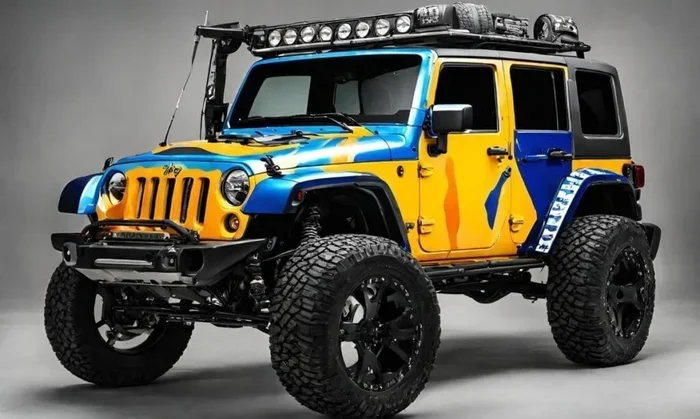
A custom paint job includes unique colors, designs, graphics, or specialty finishes like candy apple red or matte black. These jobs require highly skilled artists and premium materials. Some shops also offer airbrushing, taping, and multi-layer applications that drive the cost well above $10,000. If you want your Jeep to stand out at every rally and trail ride, this is the route to go.
Comparison Table: Paint Job Options and Costs
| Paint Job Type | Cost Range | Duration | Best For |
|---|---|---|---|
| DIY Basic | $500 – $2,000 | 1-2 weeks | Budget-conscious owners with some skill |
| Professional Standard | $3,000 – $6,000 | 2-4 weeks | Most Jeep owners wanting quality results |
| Premium Custom | $6,000 – $10,000+ | 4-8 weeks | Show Jeeps and unique personal styles |
| Full Restoration Paint | $8,000 – $15,000 | 6-12 weeks | Classic or heavily damaged Wranglers |
DIY vs Professional: Which Is Right for You?
Choosing between a DIY paint job and hiring a professional is one of the most important decisions you will make. Both options have pros and cons, and the right choice depends on your budget, skills, and how much time you have.
Pros of a DIY Paint Job
- Lower cost: You save on labor, which is the biggest expense.
- Full control: You decide every step, from prep to final coat.
- Learning experience: You pick up new skills that can save you money on future repairs.
- Flexibility: Work on your own schedule without waiting for shop appointments.
Cons of a DIY Paint Job
- Steep learning curve: Spray painting takes practice to get a smooth, even finish.
- Equipment costs: A quality spray gun, compressor, and paint booth setup can be expensive.
- Time-consuming: Expect multiple days of work with drying time between coats.
- Risk of mistakes: Drips, runs, and uneven coverage can ruin the final look.
Pros of Hiring a Professional
- Expert quality: Experienced painters deliver smooth, durable finishes.
- Proper equipment: Shops have spray booths, HVLP guns, and curing lights.
- Time savings: A pro can finish the job in days, not weeks.
- Warranty: Many shops offer warranties on their paint work.
Cons of Hiring a Professional
- Higher cost: Labor charges can double or triple the material cost.
- Less control: You trust the shop’s judgment on techniques and materials.
- Wait times: Popular shops may have a backlog of jobs.
One thing many people overlook is that a DIY paint job requires removing interior parts and trim. If you have never done this before, you might want to check how easy it is to remove car seats and interior components before you start. This prep work is essential for a clean, professional-looking result even when you are doing it yourself.
Types of Paint and Finishes for Jeep Wranglers
The type of paint you choose affects both the cost and the final look of your Jeep. Here are the most common options available.
Enamel Paint
Enamel paint is the most traditional and affordable option. It dries to a hard, glossy finish and holds up well against everyday driving. Enamel is easy to apply and widely available at auto parts stores. However, it can yellow over time with sun exposure and is less durable than modern alternatives.
Urethane Paint
Urethane paint is the current industry standard for automotive finishes. It offers excellent durability, UV resistance, and color depth. Urethane paints come in single-stage or two-stage formulations. Two-stage urethane uses a base coat for color and a separate clear coat for protection and shine. This is the best choice for most Jeep owners who want a long-lasting, great-looking finish.
Matte and Satin Finishes
Matte finishes have grown in popularity among Jeep enthusiasts. They give the vehicle a modern, rugged look that stands out from traditional glossy paint. Matte finishes require special care and maintenance. They also cost more because the paint formulation and application process are more specialized.
Metallic and Pearl Coatings
Metallic and pearl paints contain tiny flakes or pigments that create a shimmering effect. These finishes look stunning but are more expensive to apply. They require extra layers and careful blending to achieve a consistent look. If you want your Jeep to turn heads, metallic or pearl coatings are worth the investment.
How to Save Money on Your Jeep Paint Job
Painting a Jeep Wrangler does not have to drain your savings. Here are practical tips to keep costs down without sacrificing quality.
Get Multiple Quotes
Always get at least three quotes from different shops. Prices can vary significantly between shops even for the same level of work. Ask each shop to break down the estimate into materials, labor, and any extra charges. This helps you compare apples to apples and find the best value.
Do the Prep Work Yourself
One of the biggest cost drivers in a paint job is prep work. If you are comfortable sanding, filling, and priming, you can do much of this yourself. Shops charge premium rates for labor-intensive prep. Even if you only handle the basic sanding and cleaning, you can save several hundred dollars.
Choose a Simple Color
Custom colors and special finishes cost more in materials and labor. Sticking with a standard factory color or a simple solid shade keeps the price lower. If you love a unique look, consider a partial paint job on just the hood, roof, or fenders instead of the entire vehicle.
Wait for Off-Season Deals
Auto body shops tend to be busiest in spring and summer. Booking your paint job in the fall or winter can sometimes get you a better rate. Shops may offer discounts during slower months to keep their schedules full.
Consider a Vinyl Wrap Instead
If you want a completely new look without the cost of a full paint job, a vinyl wrap is a great alternative. A high-quality wrap costs between $2,000 and $5,000 and can be removed anytime. It also protects the original paint underneath. This is a smart option if you are not ready for a permanent change.
Maintain Your Current Paint
Sometimes the best way to save money is to avoid a paint job altogether. Regular washing, waxing, and prompt touch-ups for chips and scratches keep your factory paint in great shape. If you spend time on the trails, always wash your Jeep after off-road trips to remove dirt and debris that can damage the finish.
What to Expect During the Paint Process
If you have never had a professional paint job before, knowing what to expect can ease your worries. Here is a step-by-step look at the typical process.
Step 1: Inspection and Estimate. The shop examines your Jeep, identifies any damage, and provides a detailed quote. This is your chance to ask questions and understand every line item.
Step 2: Disassembly. All trim, badges, mirrors, and glass are carefully removed. This ensures clean paint lines and prevents overspray on windows and seals. Some shops also remove the interior, including seats, which is a thorough process that adds to the quality of the final result.
Step 3: Body Work and Prep. Any dents, rust, or damage is repaired. The surface is sanded smooth, and primer is applied. This step is the foundation of a great paint job and should never be rushed.
Step 4: Paint Application. The base coat and clear coat are applied in a controlled spray booth. Multiple thin layers are built up to create a smooth, even finish. Each layer needs time to dry before the next is applied.
Step 5: Buffing and Polishing. Once the paint is fully cured, the surface is buffed and polished to a brilliant shine. This final step brings out the depth and clarity of the paint.
Step 6: Reassembly. All trim, badges, and components are reinstalled. The Jeep is inspected one final time before it is returned to you.
The entire process typically takes two to four weeks for a standard job and longer for custom work. Patience during this process is key to a flawless result.
How Paint Quality Affects Long-Term Value
A quality paint job does more than just make your Jeep look good. It also protects the metal body from rust, UV damage, and environmental wear. Over time, this protection helps maintain the structural integrity and resale value of your vehicle.
Studies show that a well-maintained paint job can increase a Jeep Wrangler’s resale value by up to 10%. Buyers notice the condition of the paint and often use it as a proxy for overall vehicle care. Investing in a quality paint job today can pay you back when it is time to sell or trade in your Jeep.
On the flip side, a poor paint job can accelerate rust and deterioration. Cheap paint chips easily and offers little UV protection. This can lead to expensive body repairs down the road. That is why it is worth spending a little more upfront to get a durable, professional-quality finish.
If you are concerned about paint damage from off-road adventures, remember that even the best paint can suffer from rock chips and scratches. If you ever find yourself in a situation where your Jeep has been damaged — for example, if you have hit a deer on the trail — the paint damage can sometimes be more extensive than it appears on the surface. Always get a full assessment of any impact damage before deciding on a repair approach.